This post contains affiliate links. As an Amazon Associate we earn from qualifying purchases, at no extra cost to you. Read our disclosure.
Key takeaways
- Open with one sentence: "I want to blend my gray, not cover it." Blending and coverage are different services with different upkeep.
- Dark brown and brunette hair usually blends with lowlights near your natural shade, fine babylights and a demi-permanent gloss.
- Light brown and blonde hair blends most easily, because fine highlights sit close to gray in lightness and hide the regrowth line.
- Ask for a grow-out plan in writing: what the first visit does, what month three looks like and when the old color is cut away.
- Reported prices vary by region: a salon gloss around $60 to $90, demi blending from about $85 and foil work from $150. Ask for a quote first.
In this post10 sections
- Gray Blending vs Gray Coverage: Say This First
- The 8 Things to Ask Your Stylist For
- Gray Hair Blending for Dark Brown and Brunette Hair
- Gray Hair Blending for Light Brown and Blonde Hair
- Growing Out Gray Hair With Blending: The 6 to 12 Month Plan
- What It Costs and How Often You Go Back
- Gray Blending at Home Between Appointments
- Questions to Ask Before You Book
- The Wardrobe Side of Going Silver: Colors That Flatter Blended Gray
- FAQ
Gray Blending vs Gray Coverage: Say This First
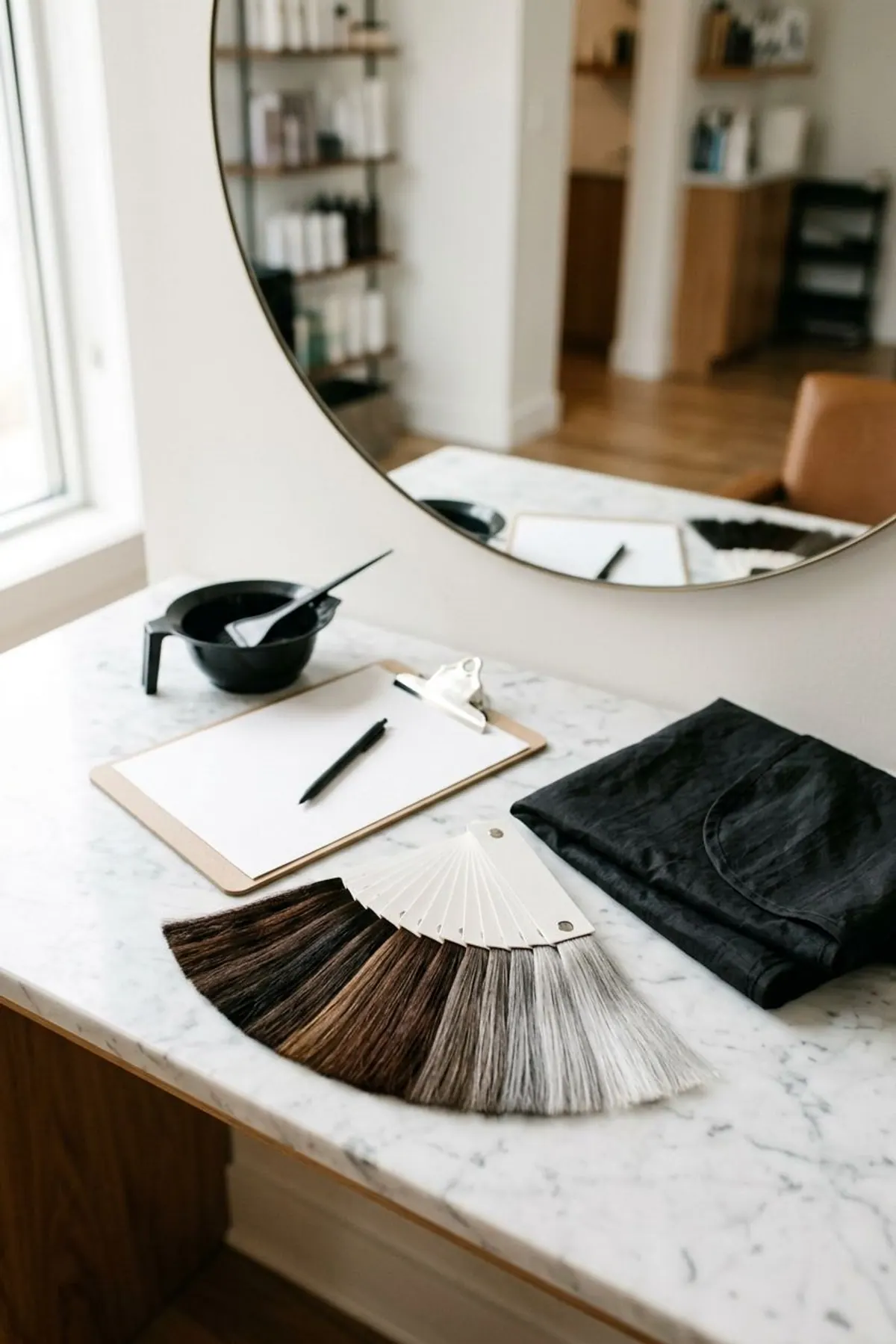
The first sentence you say decides which service you get. "Cover my gray" means permanent color over every strand. "Blend my gray" means softening the contrast so the gray grows in gradually.
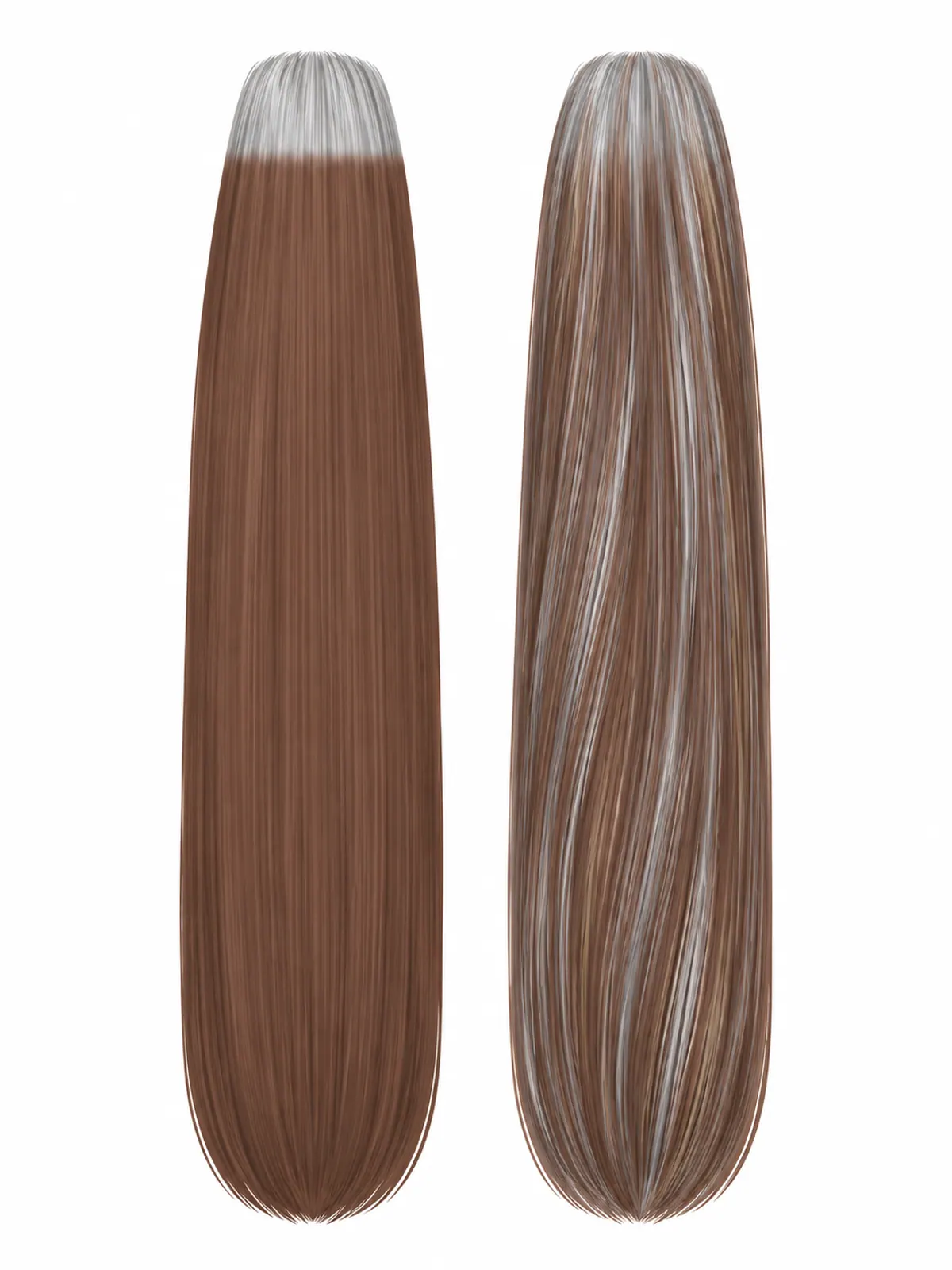
| Gray coverage | Gray hair blending | |
|---|---|---|
| Goal | Hide every gray strand | Soften the contrast, keep some gray |
| Color used | Permanent color, one shade | Lowlights, highlights or a demi-permanent gloss |
| Regrowth | A clear line at the roots | A soft, gradual grow-in |
| Common visit gap | Often 4 to 6 weeks | Often 8 to 12 weeks |
| Best for | You want no gray at all | You want less upkeep or a path to silver |
Neither is better. Coverage suits you if you want no gray at all. Blending suits you if you are tired of the root line or want to go silver slowly.
The 8 Things to Ask Your Stylist For
Bring this list to the consultation and go through it in order. A good colorist will answer every point before the bowl comes out.
-
Step 1: "I want to blend my gray, not cover it."
Say it first, in those words. It tells the stylist the goal is a softer grow-in, not a solid shade.
-
Step 2: "About this much gray should still show."
Point to your temples or part and say a rough share: a little, about half, or most of it. This sets how much lightening and darkening happens.
-
Step 3: "What is my natural level?"
Colorists rate hair from level 1 (black) to level 10 (lightest blonde). Knowing your number makes every later conversation easier.
-
Step 4: "Which technique fits my color?"
Ask whether they suggest lowlights (darker strands), babylights (very fine lighter strands), highlights or a demi-permanent gloss, and why.
-
Step 5: "Can the gloss sit at or near my natural level?"
A demi-permanent gloss close to your own shade softens the gray instead of covering it. Ask how long the gloss itself usually lasts.
-
Step 6: "What will this look like in 8 weeks and in 6 months?"
This is the grow-out question. You want a plan, not a single appointment.
-
Step 7: "How often will I come back, and what does each visit cost?"
Get a price for the first visit and for maintenance visits. The first one usually costs more.
-
Step 8: "What should I use at home between visits?"
Ask which shampoo, gloss or root spray suits your hair, and how often to use it.
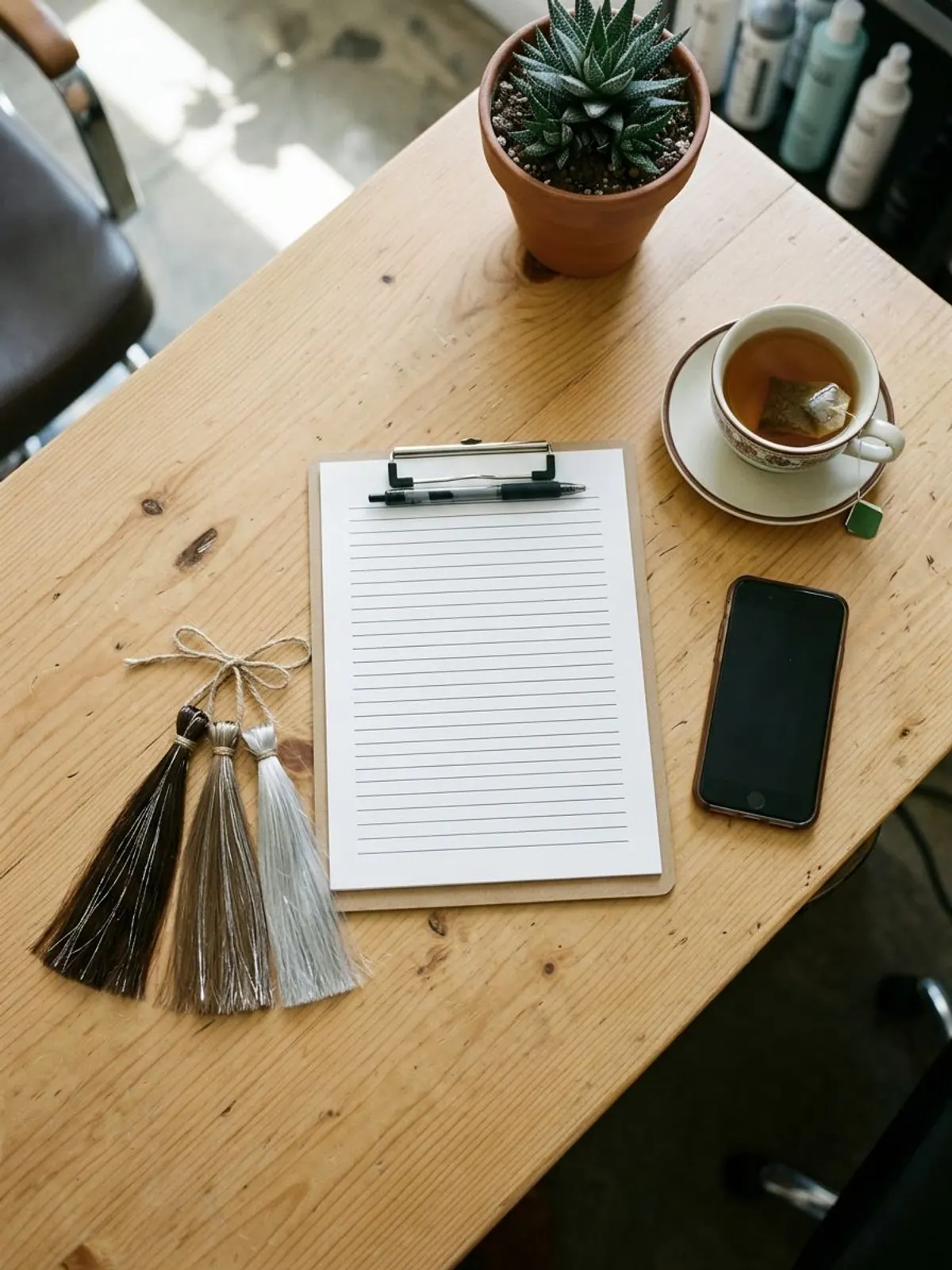
Say this in the chair (print it)
Gray Hair Blending for Dark Brown and Brunette Hair
Dark hair has the most contrast with gray, so the plan usually works from both directions. Lowlights near your natural shade keep depth, and fine babylights bridge toward the gray so the white strands look like part of the mix.
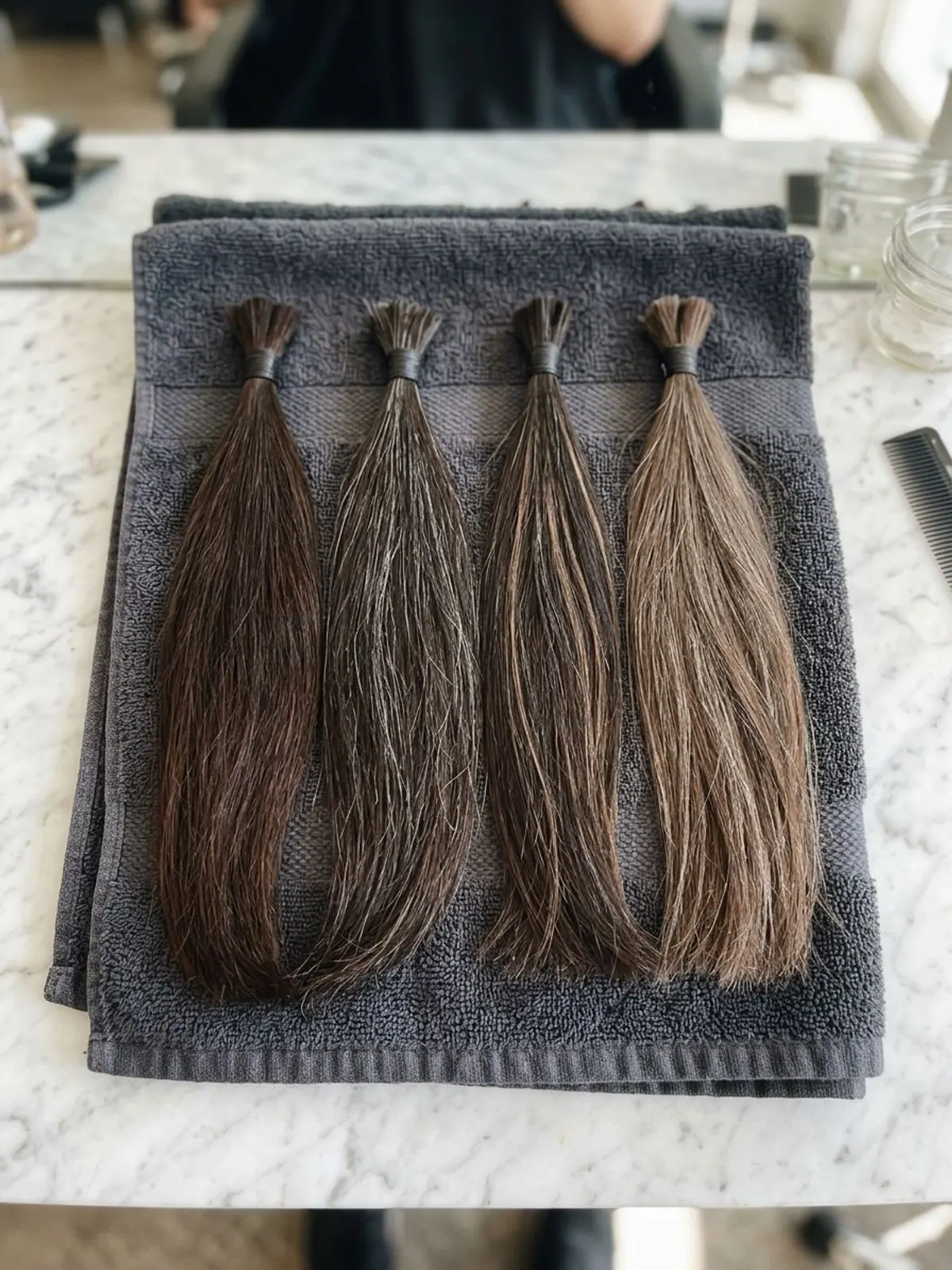
Ask whether the stylist plans to lighten in stages. Dark hair can show warm or brassy tones as it lightens, and many colorists tone it with a gloss and build brightness over two or three visits. A cool or neutral gloss is the usual request if you dislike warmth.
Ask for: "lowlights at my natural level, fine babylights around my face and part, and a neutral demi gloss to soften the contrast."
Gray Hair Blending for Light Brown and Blonde Hair
Light brown and blonde hair blends most easily, because fine highlights sit close to gray in lightness. As the gray grows in, it lands among the light strands and the regrowth line is hard to spot.
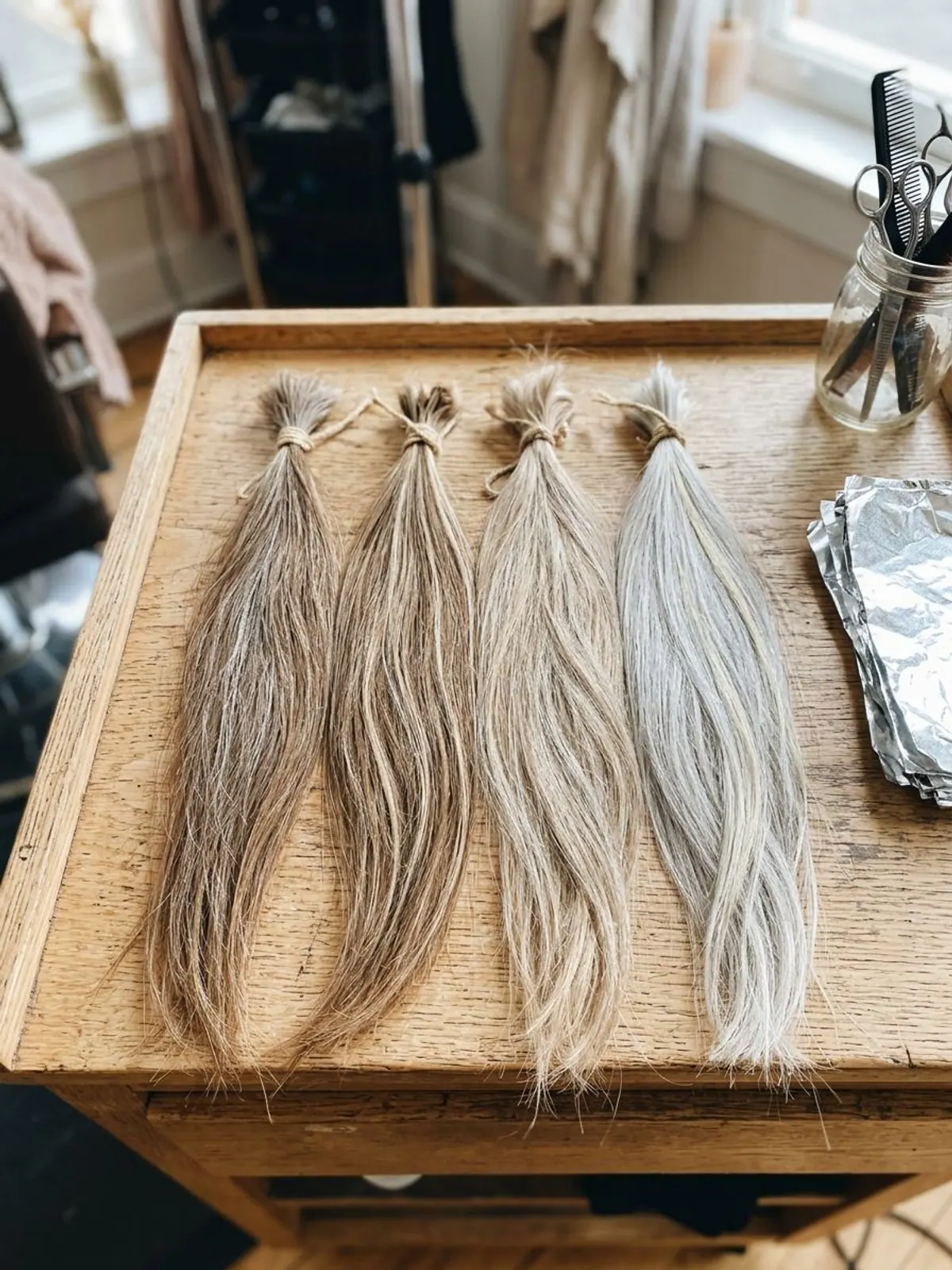
Ask for: "fine babylights concentrated at my part and hairline, a few lowlights underneath for dimension, and a cool or neutral toner." The lowlights matter. Without them, all-over highlights can make the whole head look one flat pale shade.
Growing Out Gray Hair With Blending: The 6 to 12 Month Plan
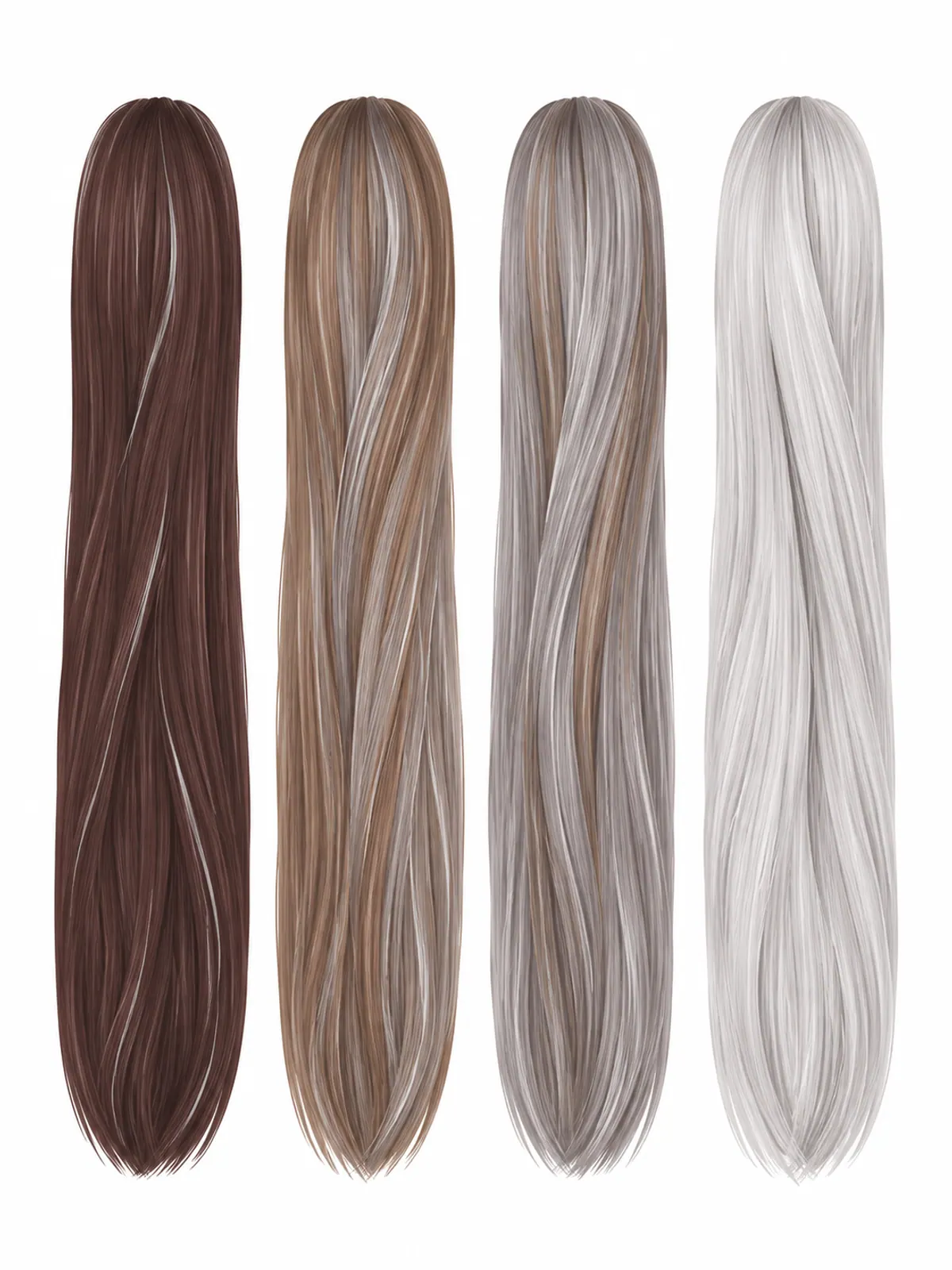
If your goal is to go fully silver, ask your stylist to map out the transition. Every head is different, but most plans follow the same broad shape.
-
Step 1: First visit: break up the line
Lowlights and babylights through the old color, plus a gloss, so the coming regrowth has something to blend into.
-
Step 2: Months 2 to 4: lighter touch
A smaller blending session, often with fewer foils, as more gray grows in. Ask whether a gloss alone can carry one of these visits.
-
Step 3: Months 4 to 8: trim the old color
Regular trims take the oldest, darkest ends away. A shorter cut speeds this up if you are ready for one.
-
Step 4: Months 8 to 12: mostly your own
What is left is mostly natural gray with a few blended pieces. Some women keep a gloss for shine; some stop color entirely.
What It Costs and How Often You Go Back
Prices vary a lot by city and salon, so treat these as starting points for the conversation. They are figures reported in stylist interviews and salon coverage, not quotes.
| Service | Reported range | What it does |
|---|---|---|
| Salon gloss | About $60 to $90 | Sheer demi-permanent color that softens contrast and adds shine |
| Demi-permanent gray blending | From about $85 | Softens gray all over without full coverage |
| Foil highlights or lowlights | From about $150 and up | Lighter and darker strands placed to blend the gray |
| Maintenance visit | Usually less than the first visit | A smaller refresh as the gray grows in |
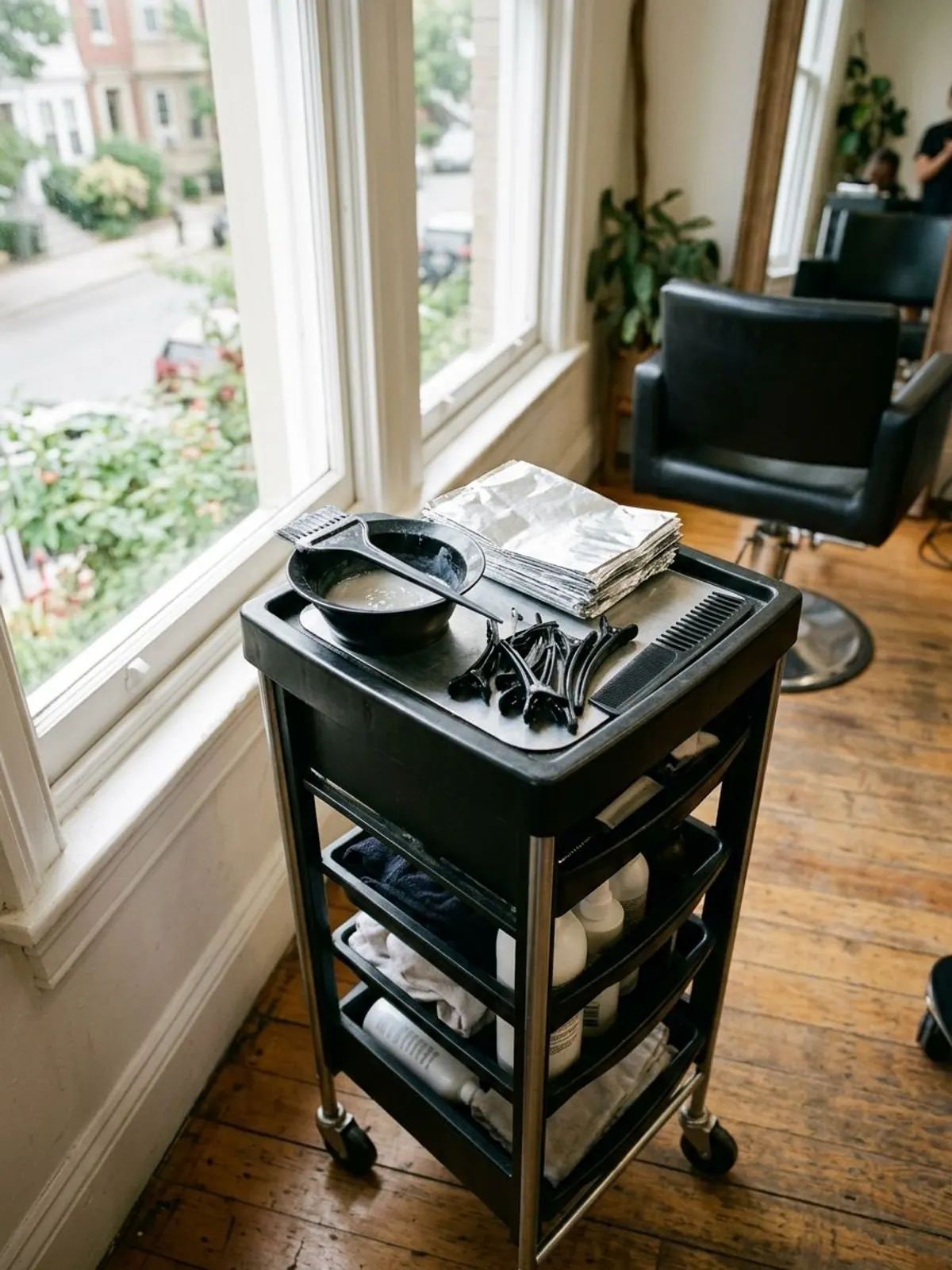
Ask for the price of the first visit and of a maintenance visit, and how many weeks apart they will be. Then multiply by a year. That number is the real comparison with what you spend on coverage now.
Gray Blending at Home Between Appointments
You do not need much. A purple or silver shampoo once a week counters yellow tones in gray and blonde strands. An at-home gloss adds shine between salon visits. A root touch-up spray hides regrowth for a wedding or a photo.
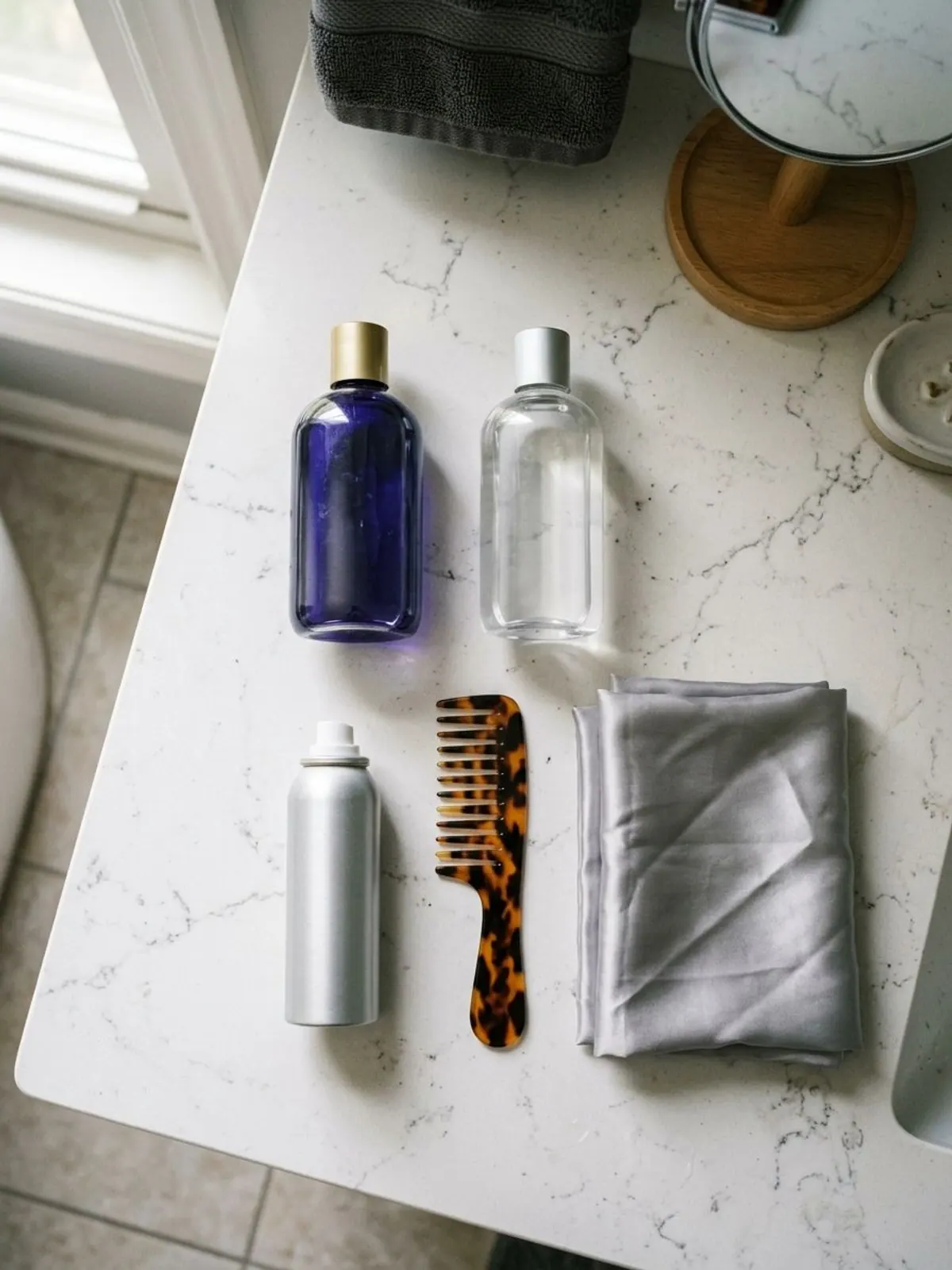
Tell your stylist what you use at home, especially any box color or spray. It changes how the salon color takes. Follow every product's directions, including any patch test the box asks for.
Shop the between-visit upkeep
-
Purple or silver shampoo
Typically $10 to $25
Counters yellow tones in gray and blonde. Once a week is a common starting point.
Check price on Amazon for Purple or silver shampoo -
At-home hair gloss
Typically $10 to $49
Shine between salon glosses. Ask your stylist whether clear or tinted suits your blend.
Check price on Amazon for At-home hair gloss -
Root touch-up spray
Typically $9 to $28
Washes out. For an event when your next appointment is a week away.
Check price on Amazon for Root touch-up spray -
Wide-tooth comb
Typically $5 to $15
For combing gloss or conditioner through evenly in the shower.
Check price on Amazon for Wide-tooth comb
Questions to Ask Before You Book
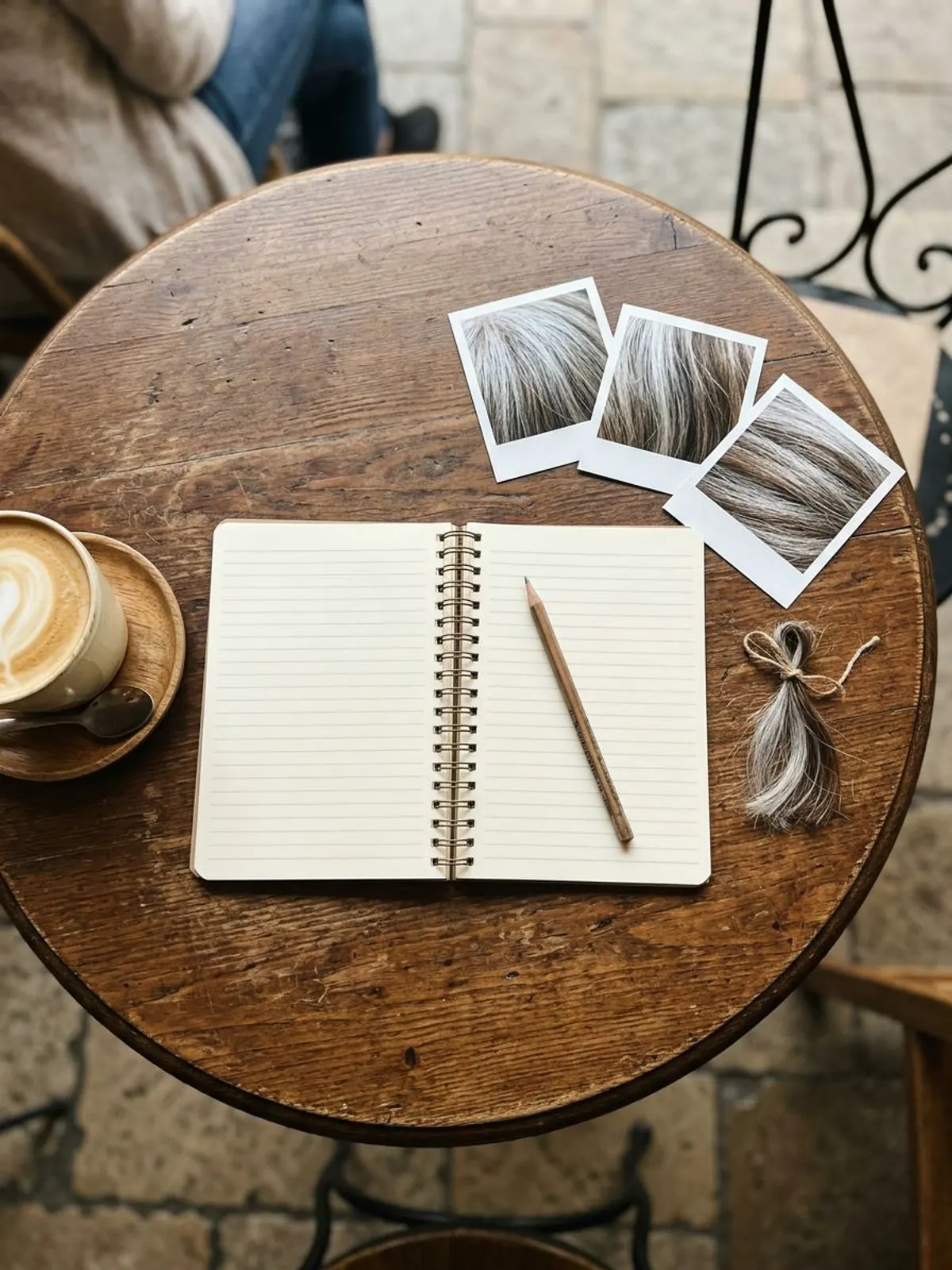
Book a consultation before the color appointment if the salon offers one. Bring two or three photos of blended gray in your starting color, not celebrity silver from a different starting point.
Ask before you book
- How often do you do gray blending, and can I see examples on hair like mine?
- Is the consultation free, and can we do a strand test?
- How does my hair texture change the plan? Curly and coily hair take color differently.
- What will the first visit and each maintenance visit cost?
Skip these
- Asking to go from dark brown to full silver in one visit.
- Keeping quiet about past box color or henna.
- Bringing only celebrity photos from a different starting color.
- Booking the color appointment without a consultation first.
The Wardrobe Side of Going Silver: Colors That Flatter Blended Gray
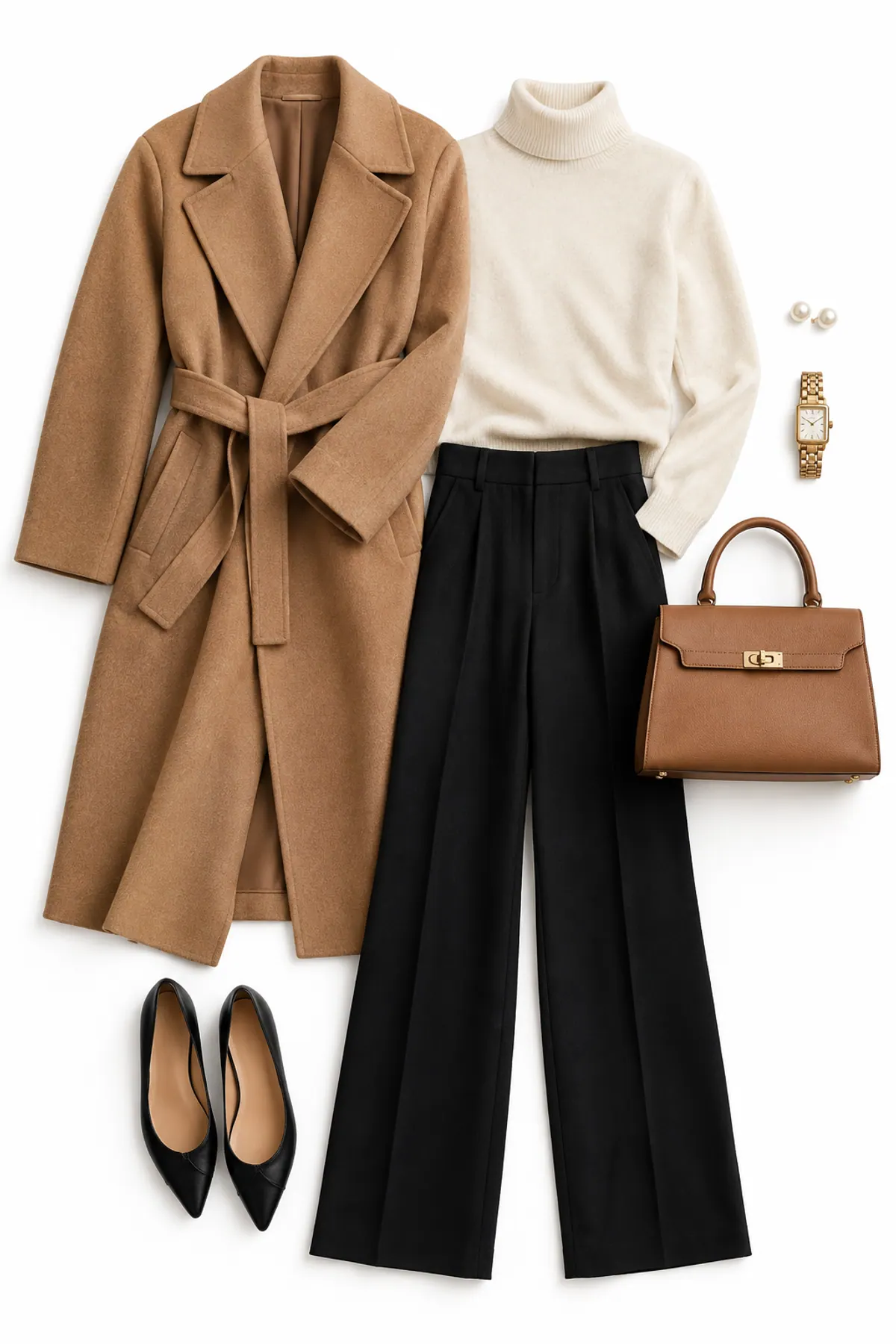
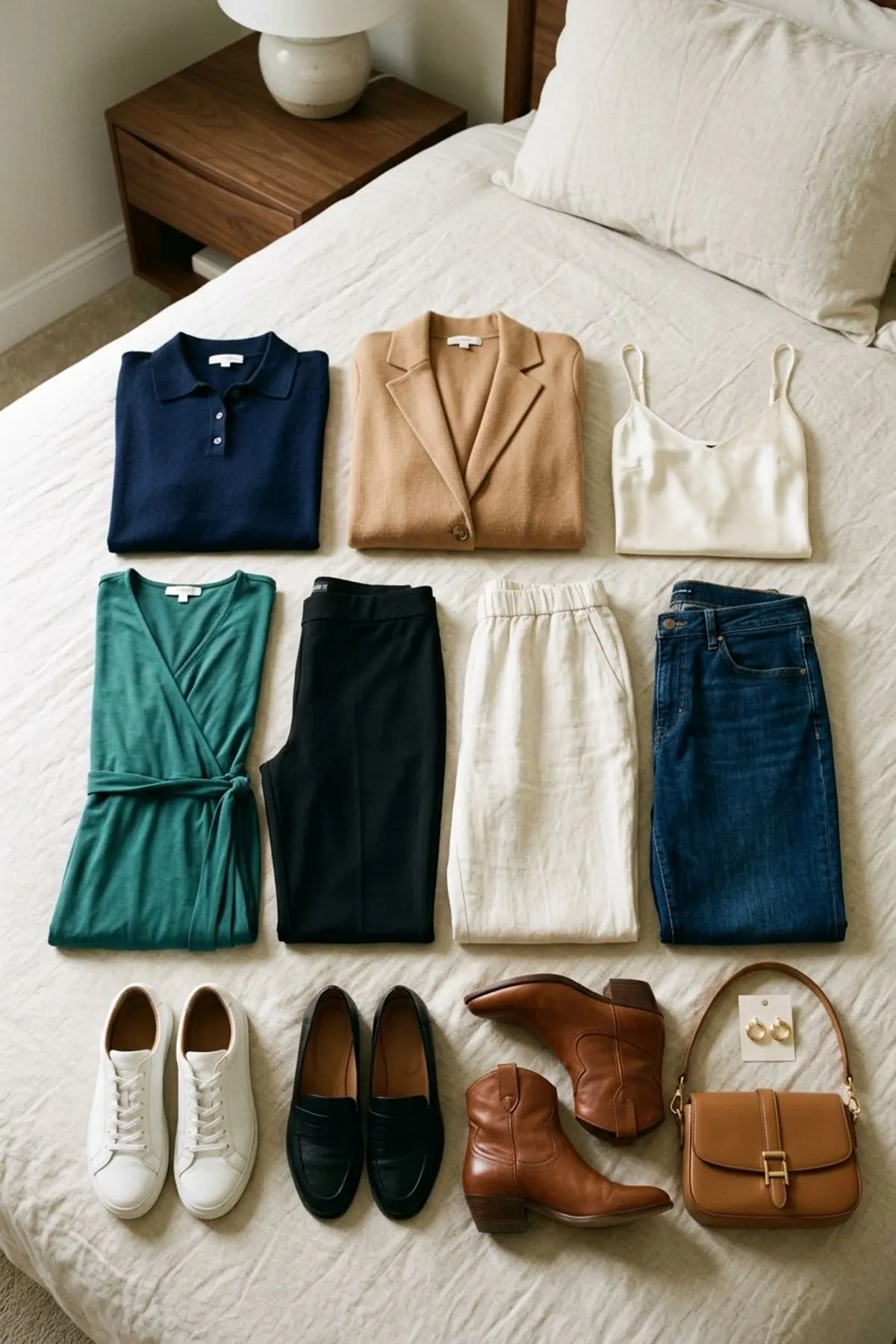
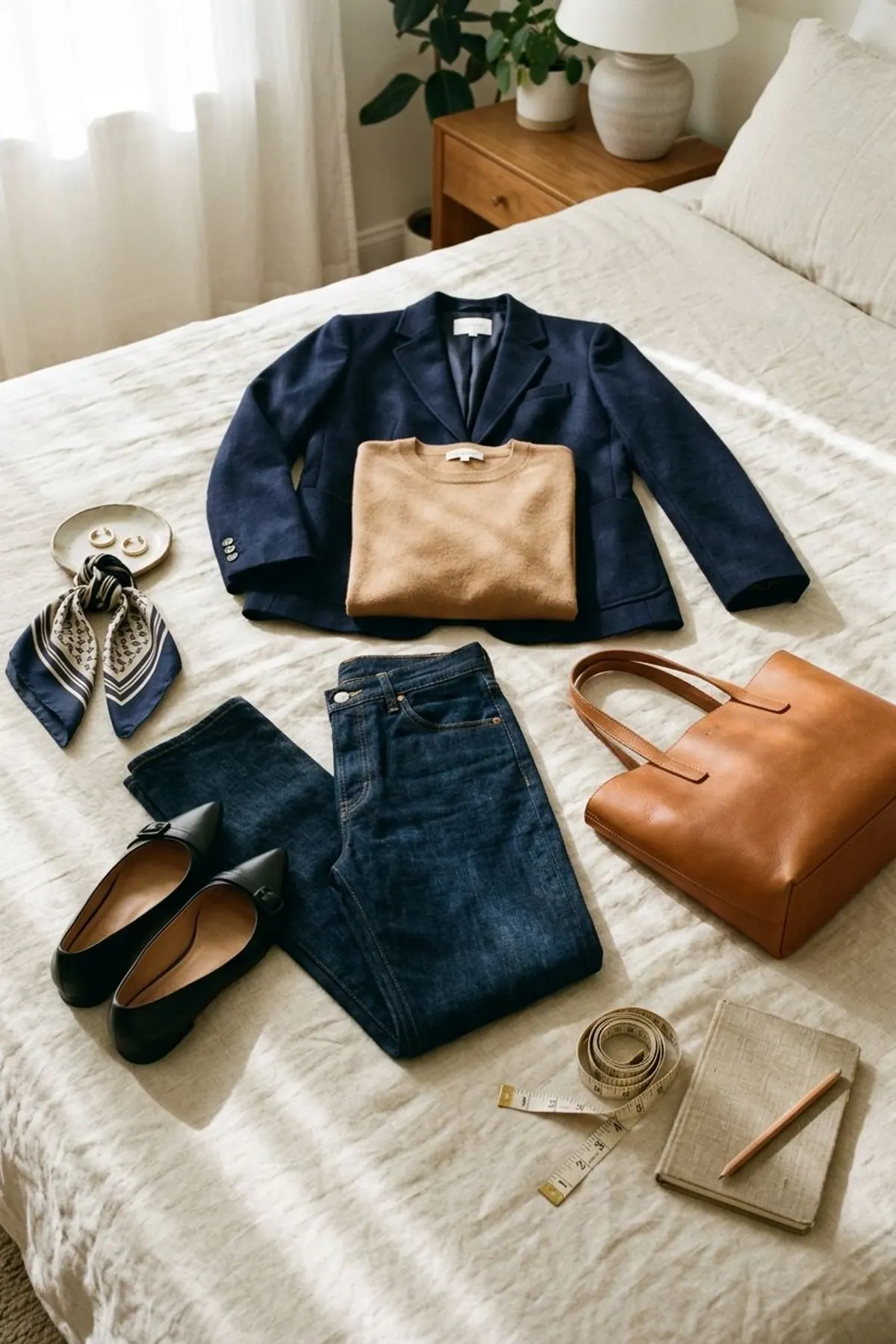
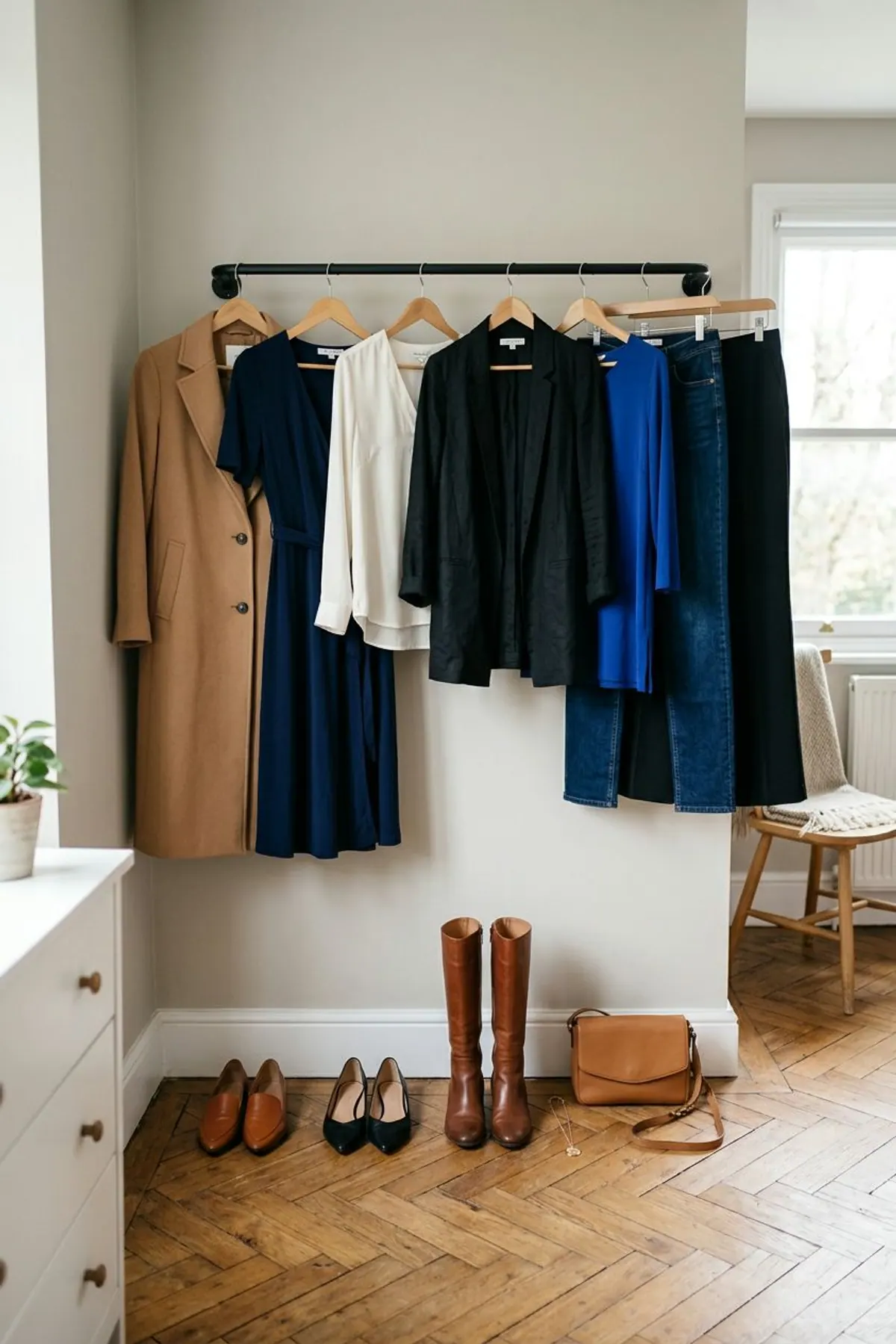
As more gray shows, some colors near your face start to look different. Navy, charcoal, crisp white, soft rose and burgundy tend to sit well next to silver. Hold a beige or mustard top up to your face in daylight before you keep it, since some women find those wash out once the gray comes in.
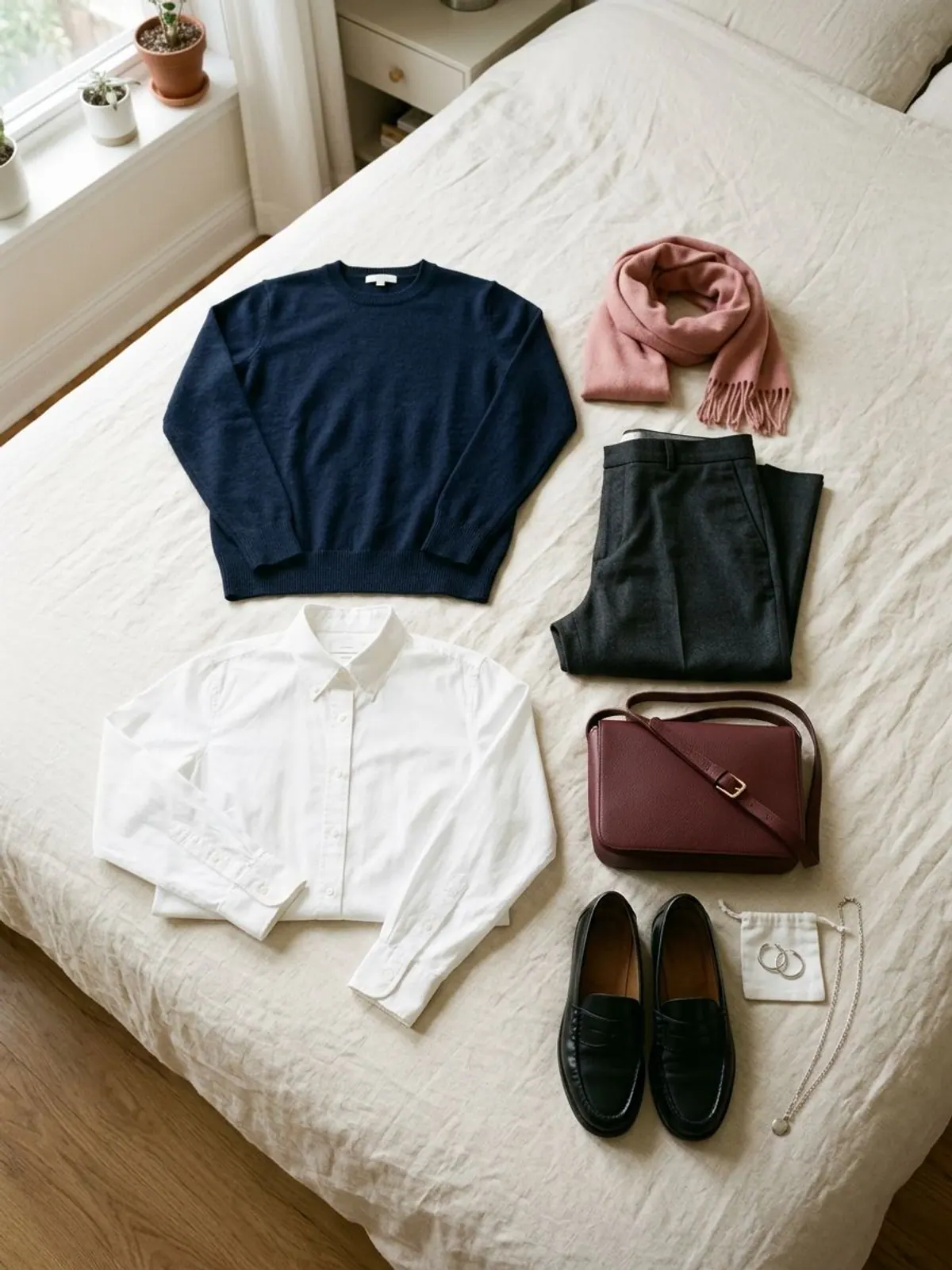
For outfits in this palette, start with our classy outfit formulas and the what to wear now guide for over 50. The full method lives in our style guide for women over 40.
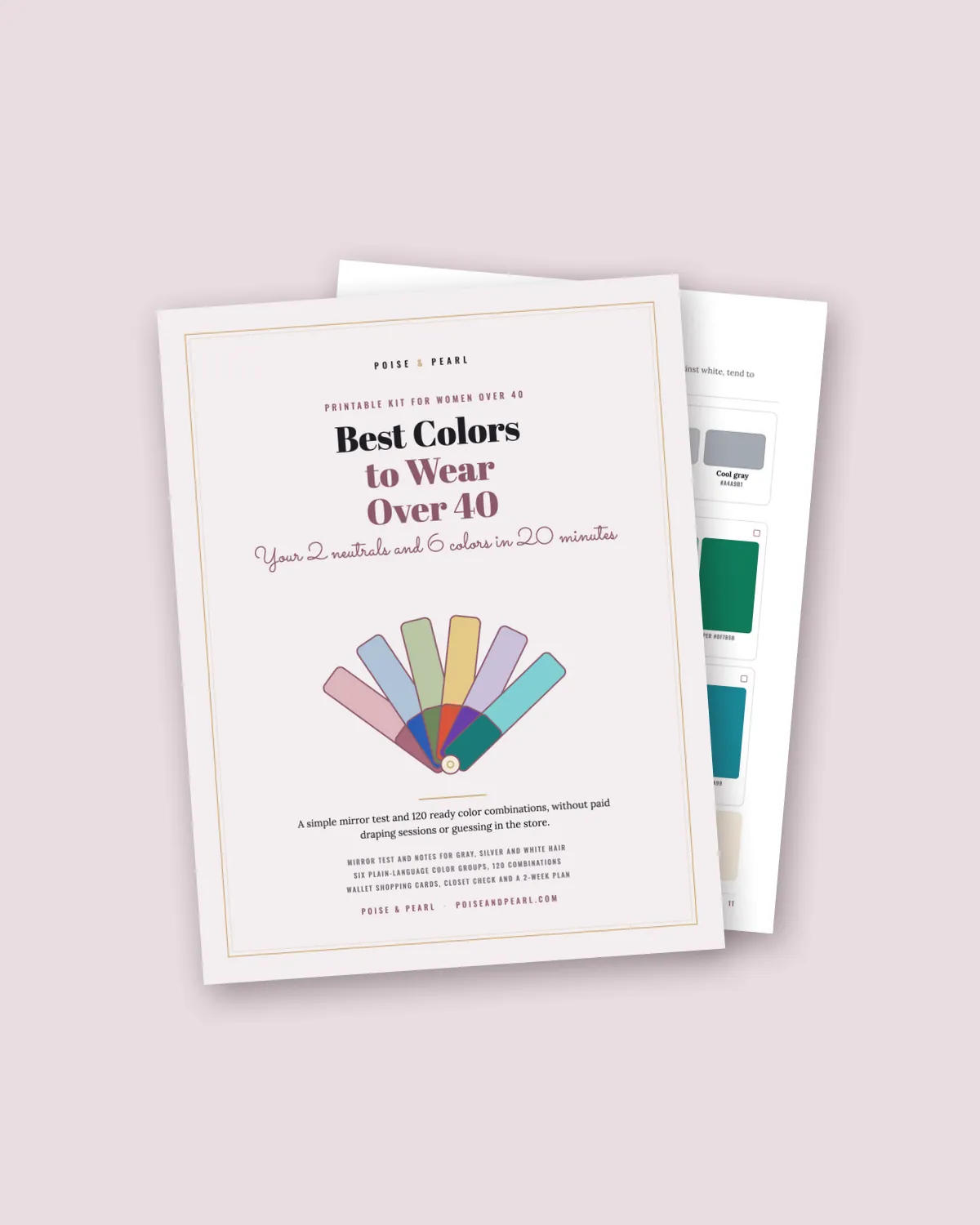
The Outfit Formula Cards write out 60 complete outfits piece by piece, built on classic neutrals, so a new hair color does not mean a new wardrobe. To check which pieces you already own, use the free planner below.
Frequently asked questions
What should I ask my stylist for gray blending?
Start with "I want to blend my gray, not cover it." Then name your natural level, ask which technique fits (lowlights, babylights, highlights or a demi-permanent gloss), how much gray will still show, what the grow-out plan is, how often you will come back and what each visit costs.
What is the difference between gray blending and gray coverage?
Coverage uses permanent color to make every strand one solid shade, so a clear line shows as your roots grow. Blending softens the contrast between your gray and your natural color with lighter and darker strands or a sheer gloss, so the gray grows in gradually and the line is much softer.
Does gray blending work on dark brown hair?
Yes, but it usually takes more than one visit. Stylists often use lowlights close to your natural shade, fine babylights to bridge toward the gray and a demi-permanent gloss to soften contrast. Ask whether they plan to lighten in stages.
How long does gray blending last between appointments?
It varies with your hair and the technique. Many stylists suggest about 8 to 12 weeks between blending visits, and a gloss refresh in between if you want it. Ask your stylist what your schedule will be before you book.
How much does gray blending cost?
Prices are regional. Reported figures put a salon gloss around $60 to $90, demi-permanent blending from about $85 and foil highlights or lowlights from about $150 and up. Ask for a quote for the first visit and for maintenance visits.
Can you blend gray hair at home?
The salon technique is hard to do on yourself, but you can keep it looking fresh between visits with a purple or silver shampoo for yellow tones, an at-home gloss for shine and a root touch-up spray for a special event. Follow every product's directions, including any patch test.
Save it for later
Pin this to your Hair & Beauty Over 40 board so it's there when you need it.
Save to Pinterest