This post contains affiliate links. As an Amazon Associate we earn from qualifying purchases, at no extra cost to you. Read our disclosure.
Key takeaways
- Fit is the whole secret. A $15 hem and a $25 waist alteration make a $40 trouser look tailored.
- The under $50 care toolkit (steamer, fabric shaver, clothes brush) does more than any new purchase.
- Tonal dressing, one metal and zero visible logos are free and work on every body and budget.
- Swap plastic buttons for horn, hang everything on matching hangers and add one leather belt.
- Shape beats brand in shoes and bags: structured, polished and in one neutral.
In this post27 sections
- Why Clothes Look Cheap (It Is Rarely the Price Tag)
- Fit First: The $15 to $25 Alterations
- 1. Hem Every Trouser to Your Shoe ($10 to $20)
- 2. Take In the Waist and Shorten the Sleeves ($15 to $25)
- 3. Check the Shoulder Seam Before Anything Else ($0)
- Steam, De-Pill, Press: The Under $50 Care Toolkit
- 4. Steam Everything Before You Wear It ($25 to $50)
- 5. De-Pill Every Knit ($12 to $25)
- 6. Brush Coats and Lint-Roll Knits ($5 to $15)
- Outfit Choices Women Over 40 Can Make Today (Color Grouping, One Metal, No Logos)
- 7. Dress in One Color Family ($0)
- 8. Wear One Metal, Small ($12 to $35)
- 9. Remove Every Visible Logo ($0)
- 10. Tuck, Half-Tuck and Roll ($0)
- Classy on a Low Budget: Swap the Buttons, Change the Hangers, Add a Belt
- 11. Swap Plastic Buttons for Horn or Metal ($8 to $15)
- 12. Hang Everything on Matching Hangers ($20 to $40)
- 13. Add One Good Leather Belt ($20 to $40)
- Shoes and Bags: Shape Beats Brand
- 14. Polish, Tree and Brush Your Shoes ($15 to $35)
- 15. Carry a Structured Bag in One Neutral ($35 to $90)
- Plus Size and Petite Notes
- Winter Edition: Coat, Scarf and Boot Care
- Mistakes That Make Outfits Look Cheap
- The 20-Minute Sunday Routine
- Get the Outfit Formula Cards (and the Free Capsule Planner)
- FAQ
Why Clothes Look Cheap (It Is Rarely the Price Tag)
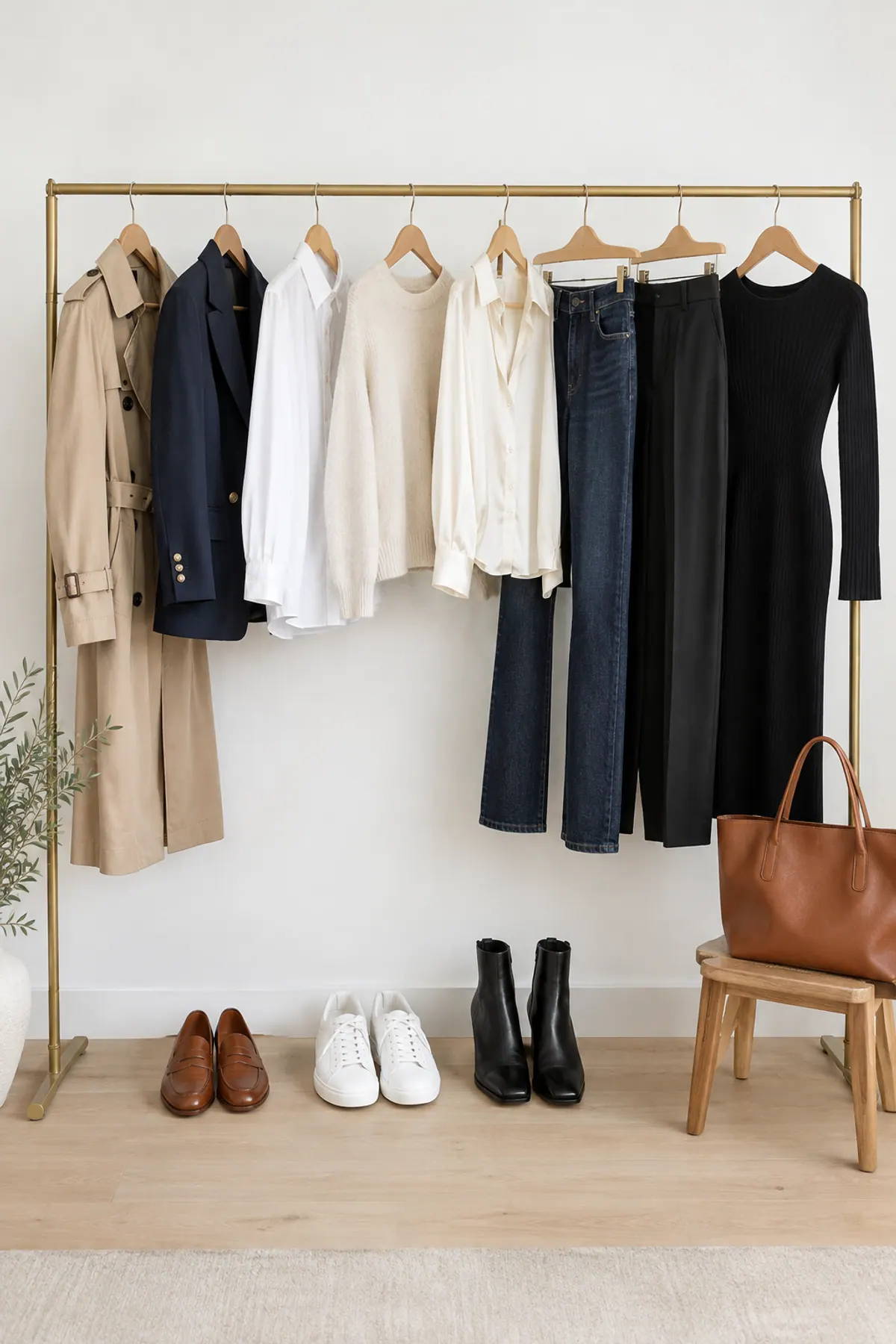
Look at any outfit that reads as expensive and you will find the same five things: the hems hit the right spot, the fabric is smooth and matte, the colors sit in one family, the metals match and nothing is shiny or printed with a name. None of those depends on the label.
Now look at what makes an outfit look cheap: trousers pooling at the shoe, a pilled sweater, creases from the dryer, a shiny polyester blouse, a mix of gold and silver, and a logo. Every one of those is fixable this week for pocket money. That is the whole premise of this list, and it is why the old money look on a budget is mostly a care routine.
People do not see your price tags. They see your hems, your fabric and your hardware.
Fit First: The $15 to $25 Alterations
A tailor is the cheapest luxury there is. Three alterations do 80 percent of the work, and the first one costs less than lunch.
1Hem Every Trouser to Your Shoe ($10 to $20)
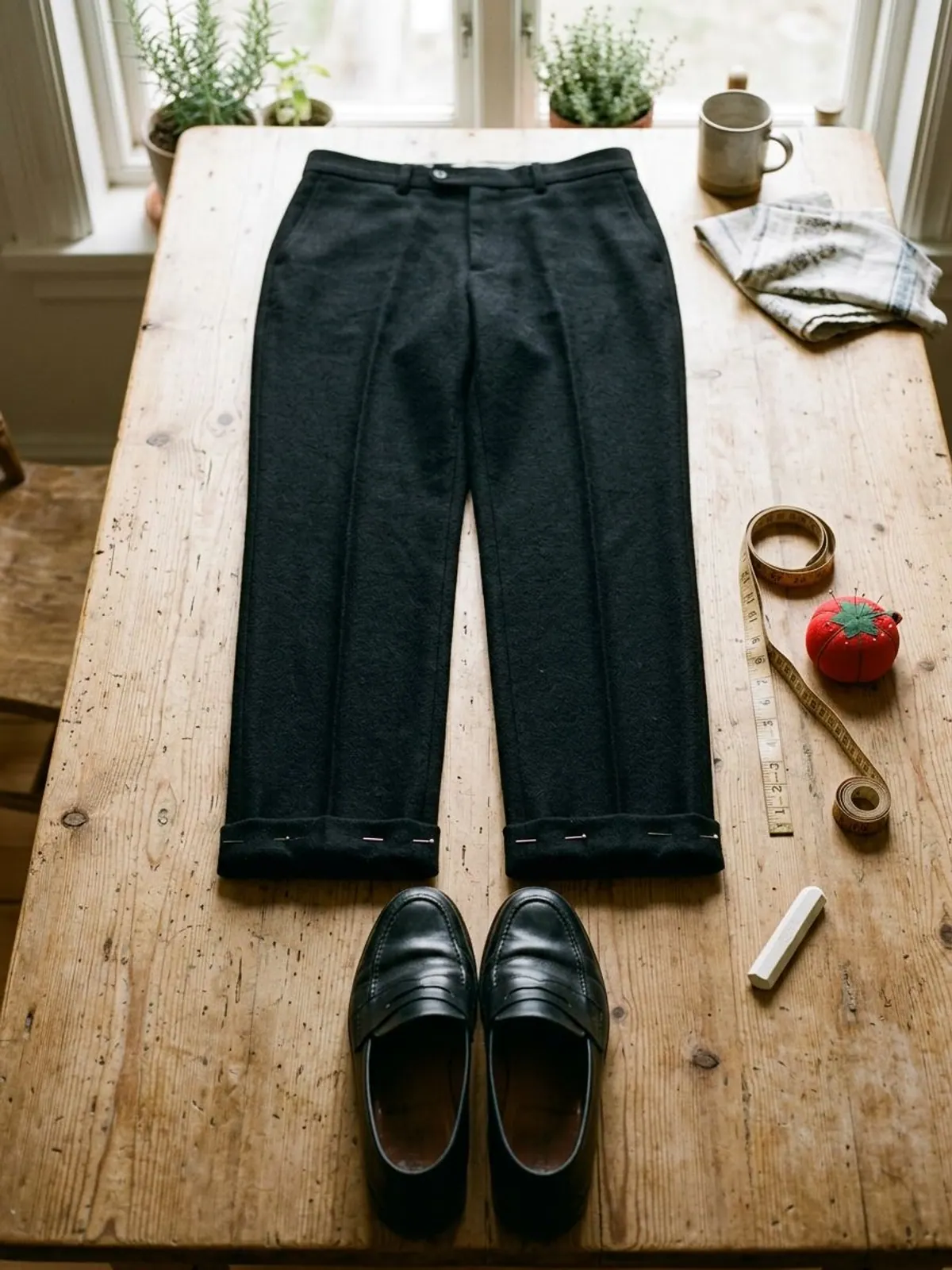
Trousers that bunch at the ankle are the number one tell. Take every pair to a tailor with the shoes you wear them with and ask for the hem to graze the top of the shoe (straight and wide legs) or sit at the ankle bone (slim and cropped). A plain hem runs $10 to $20; an original hem on jeans a little more.
Cost: $10 to $20 per pair.
Do it yourself: iron-on hem tape works on cotton, ponte and most jeans if you press it well.
- Hem one pair of trousers per week. In a month your whole closet fits.
For the pairs you will not pay to tailor. Press with a damp cloth and it holds through the wash.
2Take In the Waist and Shorten the Sleeves ($15 to $25)
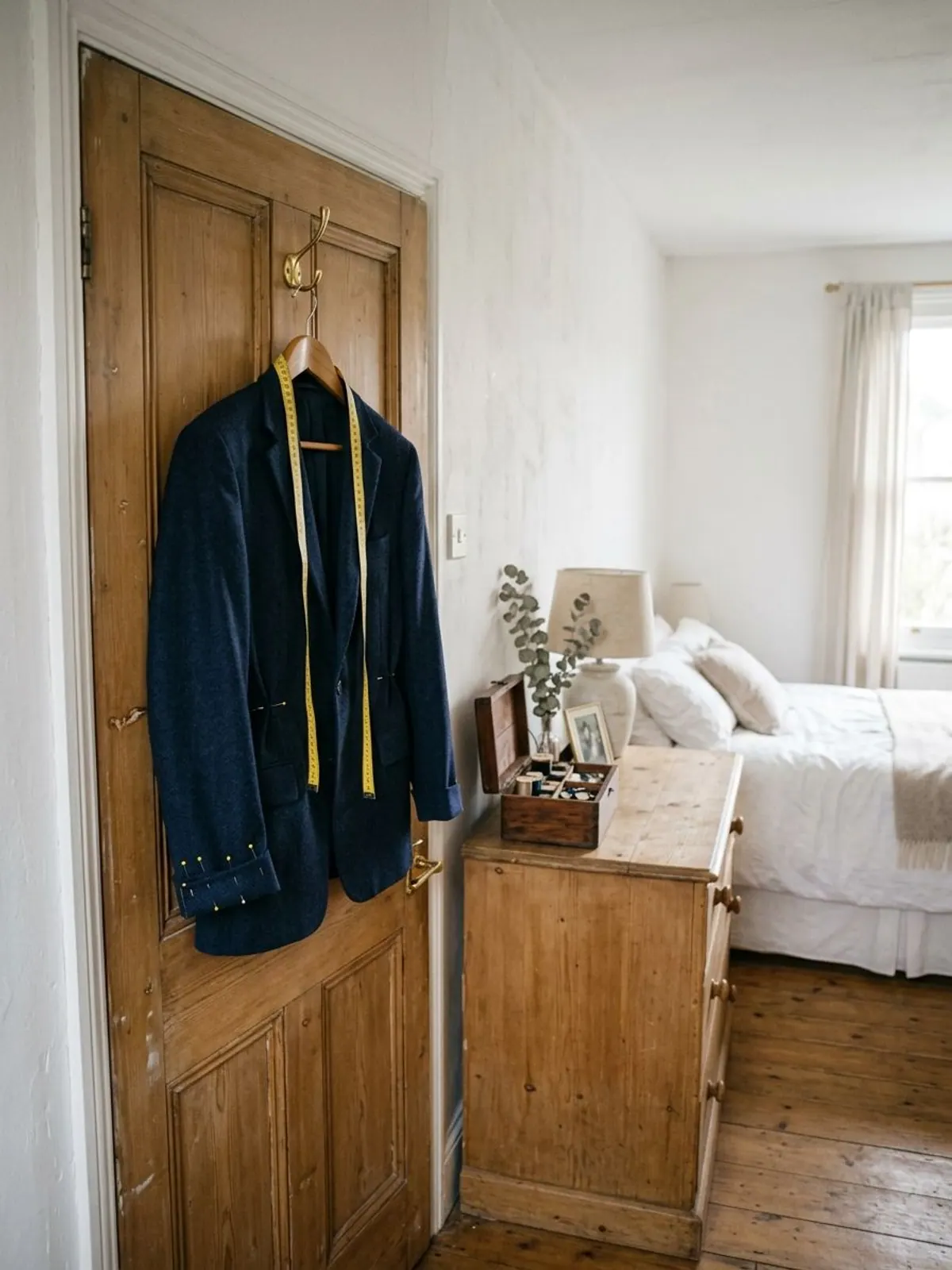
A blazer or coat whose sleeves cover the wrist bone looks borrowed. Ask for the sleeves to end just above the wrist so a sliver of shirt cuff shows (usually $15 to $25). A waistband that gaps at the back is a $15 to $20 fix with two darts, and it makes a $40 pair of trousers sit like a $200 pair.
Cost: $15 to $25 per piece.
Order of priority: the coat you wear daily, then the blazer, then trousers.
- Buy to fit the widest part of you and have the rest taken in. Letting out is rarely possible.
Pin the change at home before you go, so the tailor sees exactly what you want.
3Check the Shoulder Seam Before Anything Else ($0)
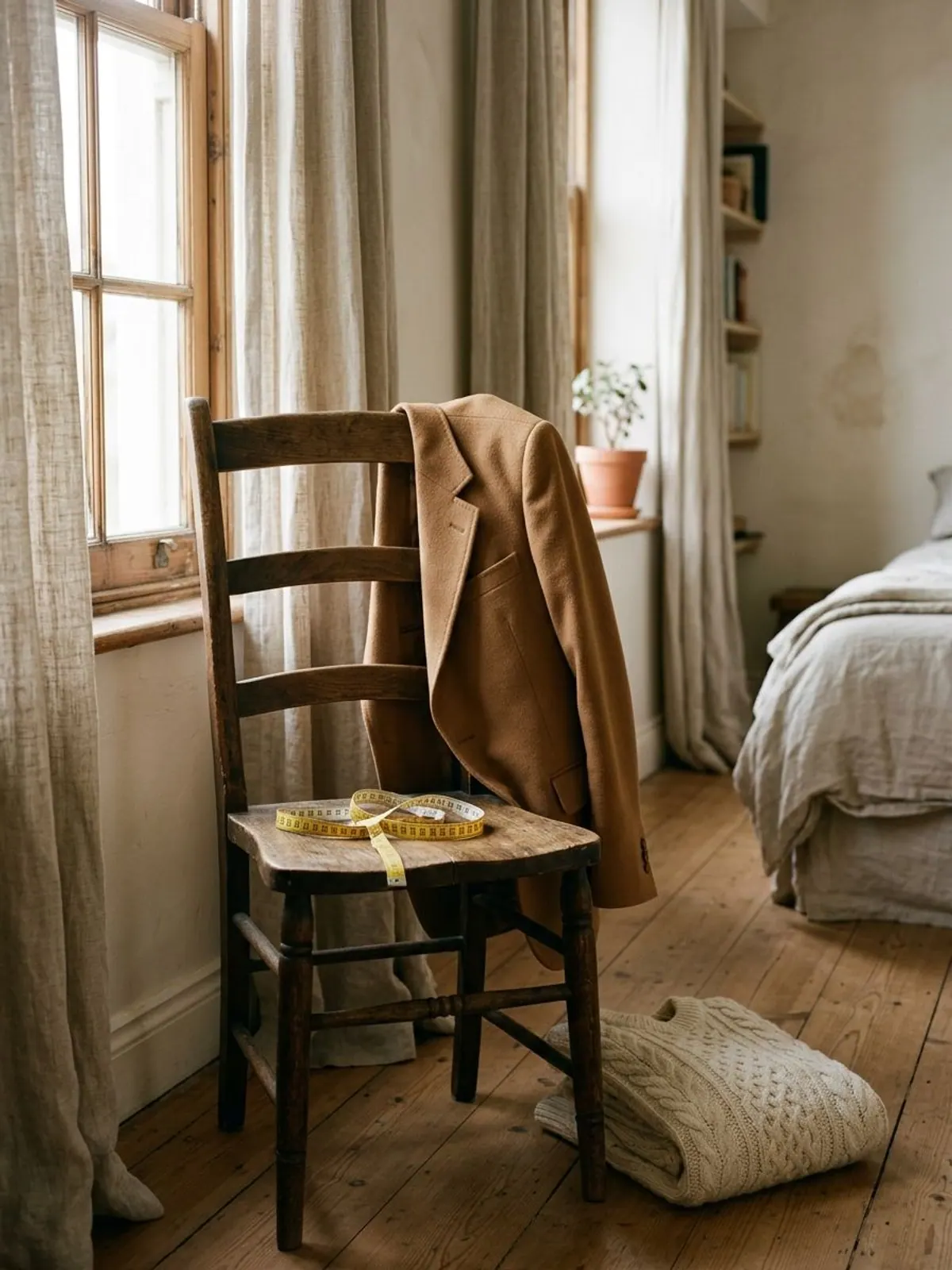
The one thing a tailor cannot fix cheaply is the shoulder. The seam should sit exactly where your arm meets your shoulder. If it hangs past it, the jacket looks too big no matter what else you alter; if it sits inside, the jacket pulls. Check this on every jacket and coat you own, and donate the ones that fail.
Cost: nothing. It saves you from paying to alter a jacket that will never look right.
Rule: shoulder first, then length, then waist.
- A soft, unstructured blazer forgives a half-inch miss. A padded shoulder forgives nothing.
Before you alter anything, know what you are keeping. The free capsule planner has a closet audit and a gap list that sorts your closet into keep, fix and let go in one afternoon.
Steam, De-Pill, Press: The Under $50 Care Toolkit
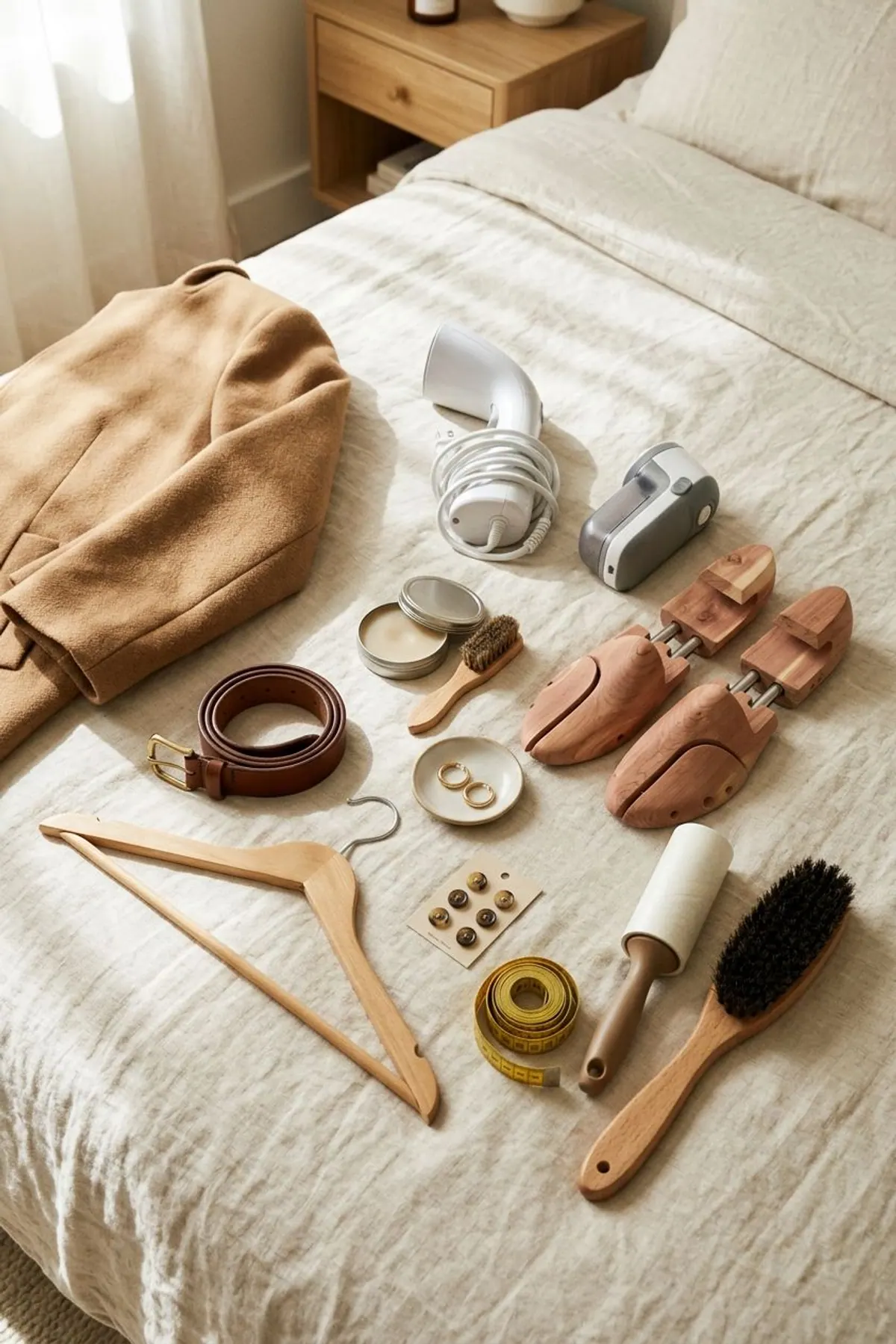
Three tools, under $50 together, and they are the difference between a sweater that looks new and one that looks slept in.
4Steam Everything Before You Wear It ($25 to $50)
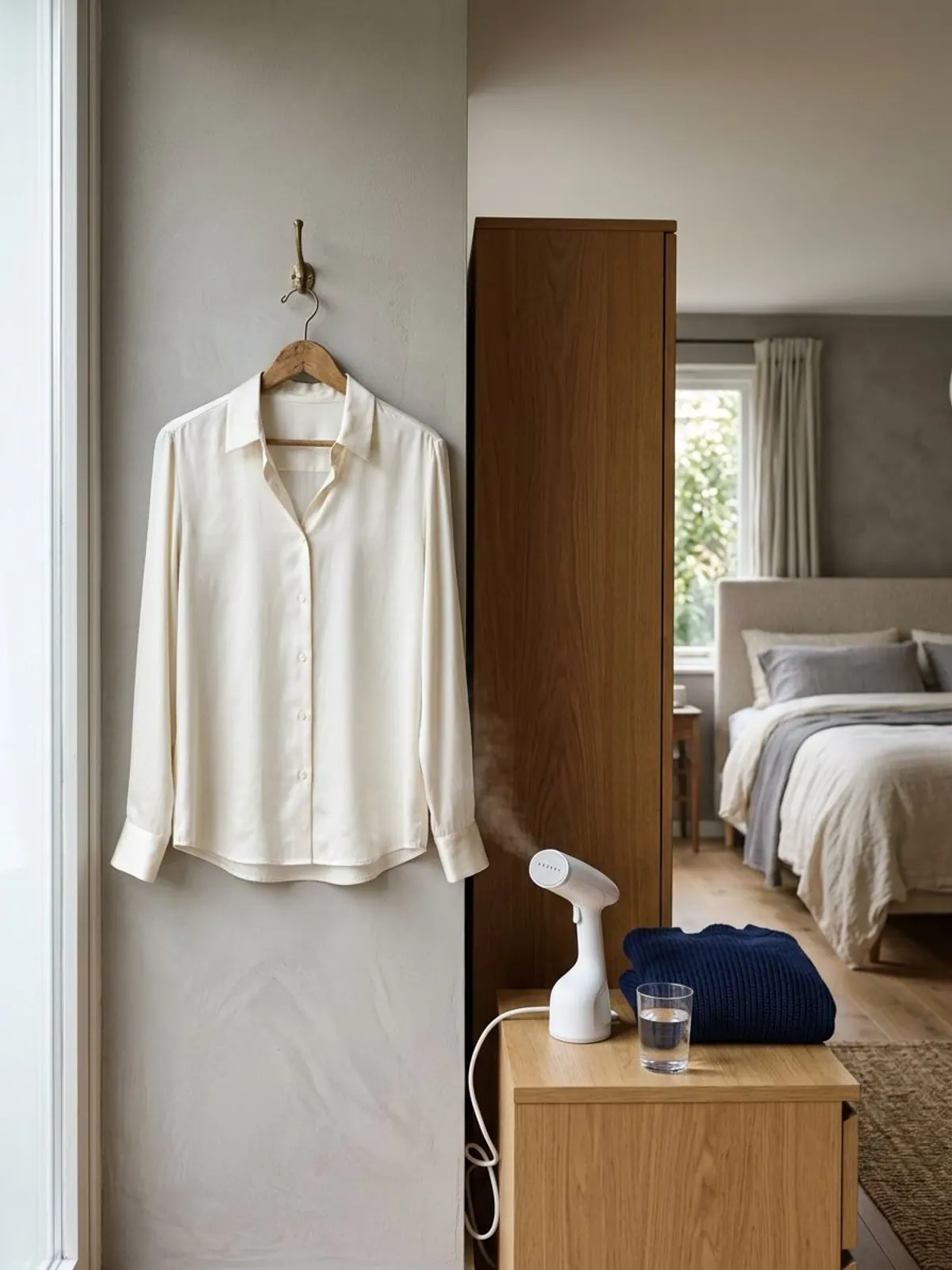
A handheld steamer takes creases out of a blouse in two minutes on the hanger and never scorches. It is faster than an iron, safer on silk and knits, and it is the single tool that makes a $20 blouse look pressed. Steam the night before and hang the outfit on the wardrobe door.
Cost: $25 to $50, once.
Does a steamer help? Yes, more than any other item here. Creases are the cheapest-looking thing an outfit can have.
- Steam from the inside of the garment for stubborn creases; the fabric relaxes faster.
Pick one that heats in under a minute with a water tank you can refill without unplugging.
5De-Pill Every Knit ($12 to $25)
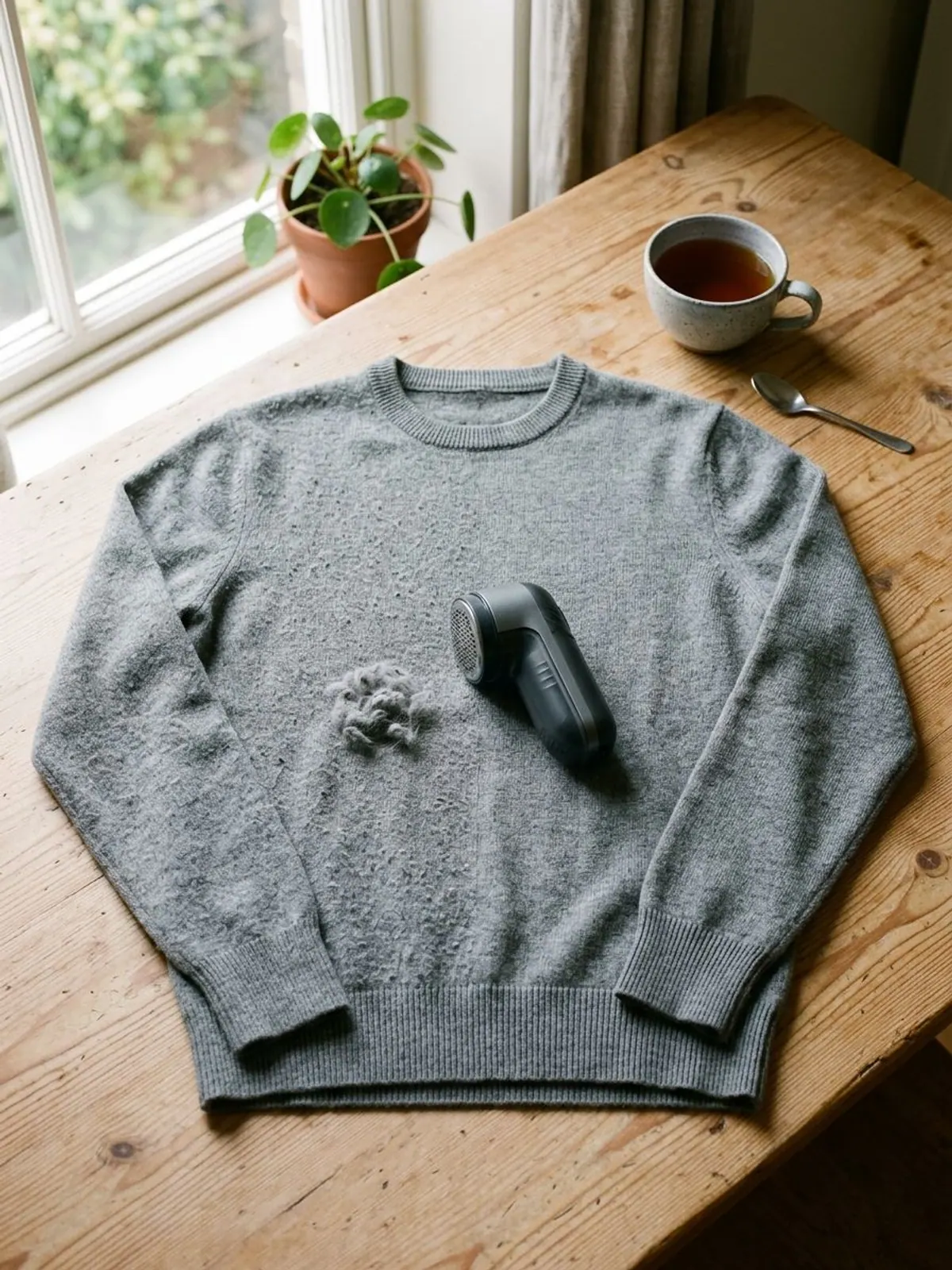
Pilling makes cashmere look like acrylic. An electric fabric shaver removes it in three minutes per sweater and brings the surface back to smooth and matte. Do the underarms, the sides where a bag rubs and the cuffs. Then fold the knit; hangers stretch the shoulders.
Cost: $12 to $25, once.
Frequency: every three or four wears for merino and cashmere, every wear for cheaper blends.
- Lay the sweater flat on a hard surface and shave in one direction. Never shave a knit in your lap.
Rechargeable with a large head finishes a sweater faster. Replaceable blades make it last years.
6Brush Coats and Lint-Roll Knits ($5 to $15)
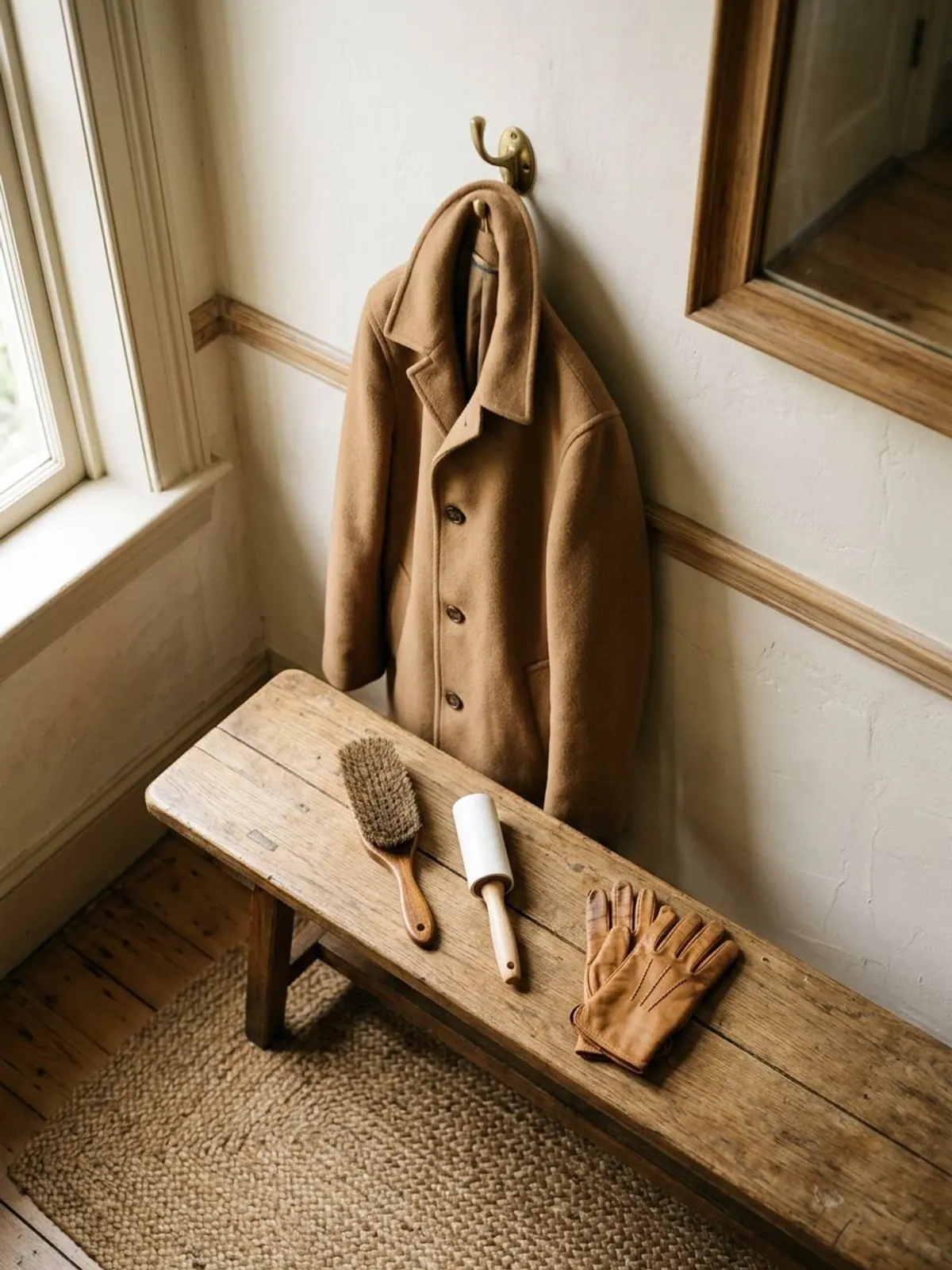
A natural-bristle clothes brush lifts dust and hair off wool coats and blazers and revives the nap, which is why a brushed $80 coat looks richer than an unbrushed $400 one. A lint roller handles knits and dark trousers on the way out the door. Thirty seconds each.
Cost: $5 to $15 for both.
Routine: brush the coat on the hook when you come in, roll the outfit when you leave.
- Brush downward, with the nap, and hang the coat on a wide hanger so the shoulders keep their shape.
Horsehair or boar bristle on a wooden handle. It outlasts a hundred lint-roller refills.
The under $50 care toolkit
-
Handheld garment steamer
Typically $25 to $50
Two minutes per blouse, safe on silk and knits. The biggest single upgrade.
Check price on Amazon for Handheld garment steamer -
Electric fabric shaver
Typically $12 to $25
Brings pilled knits back to smooth and matte.
Check price on Amazon for Electric fabric shaver -
Clothes brush
Typically $8 to $20
Revives wool coats and blazers between dry cleans.
Check price on Amazon for Clothes brush -
Lint roller refills
Typically $5 to $12
Dark trousers and knits, on the way out the door.
Check price on Amazon for Lint roller refills
Outfit Choices Women Over 40 Can Make Today (Color Grouping, One Metal, No Logos)
These four cost nothing. They are decisions, not purchases, and they are the ones stylists make first.
7Dress in One Color Family ($0)
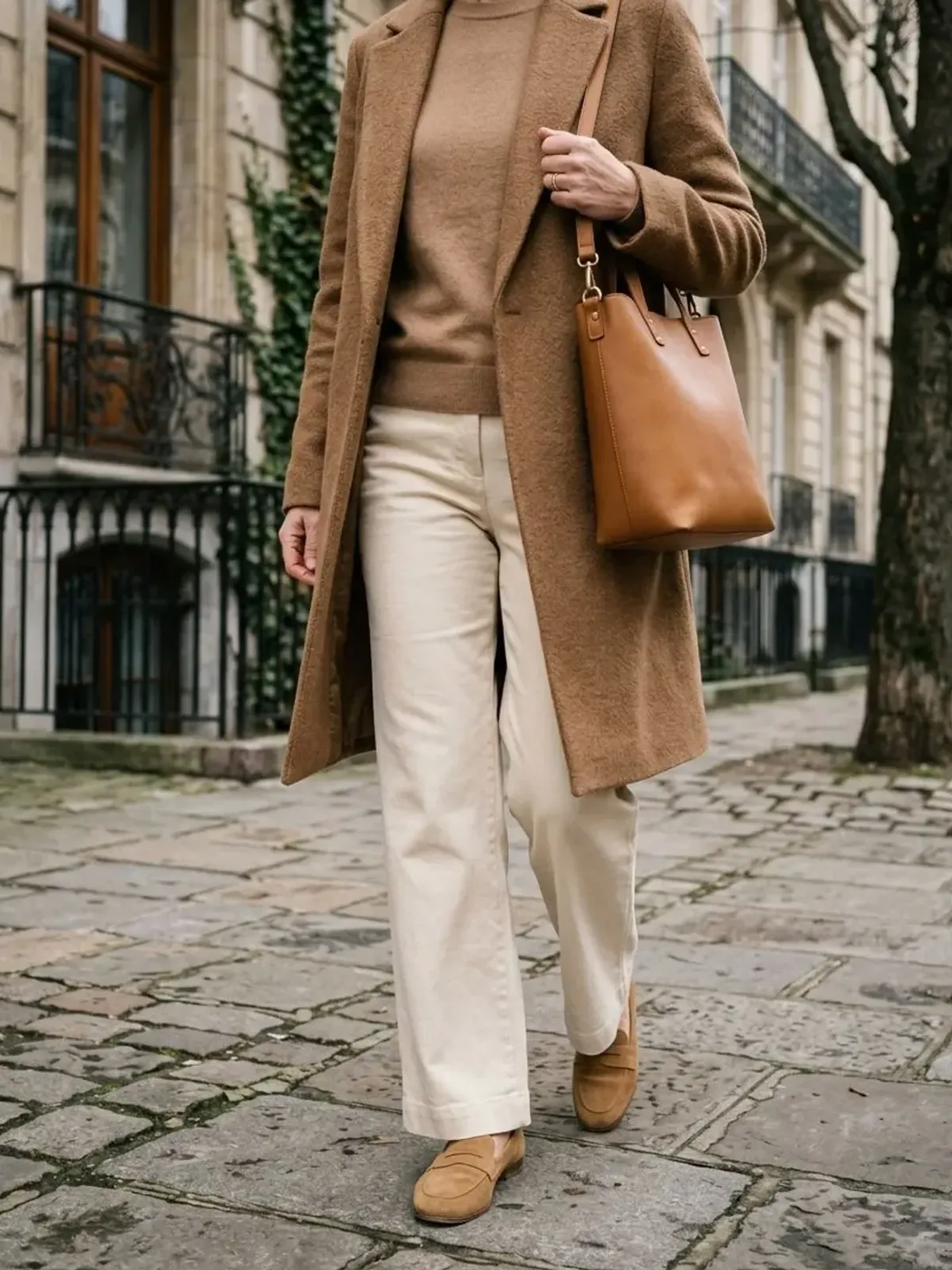
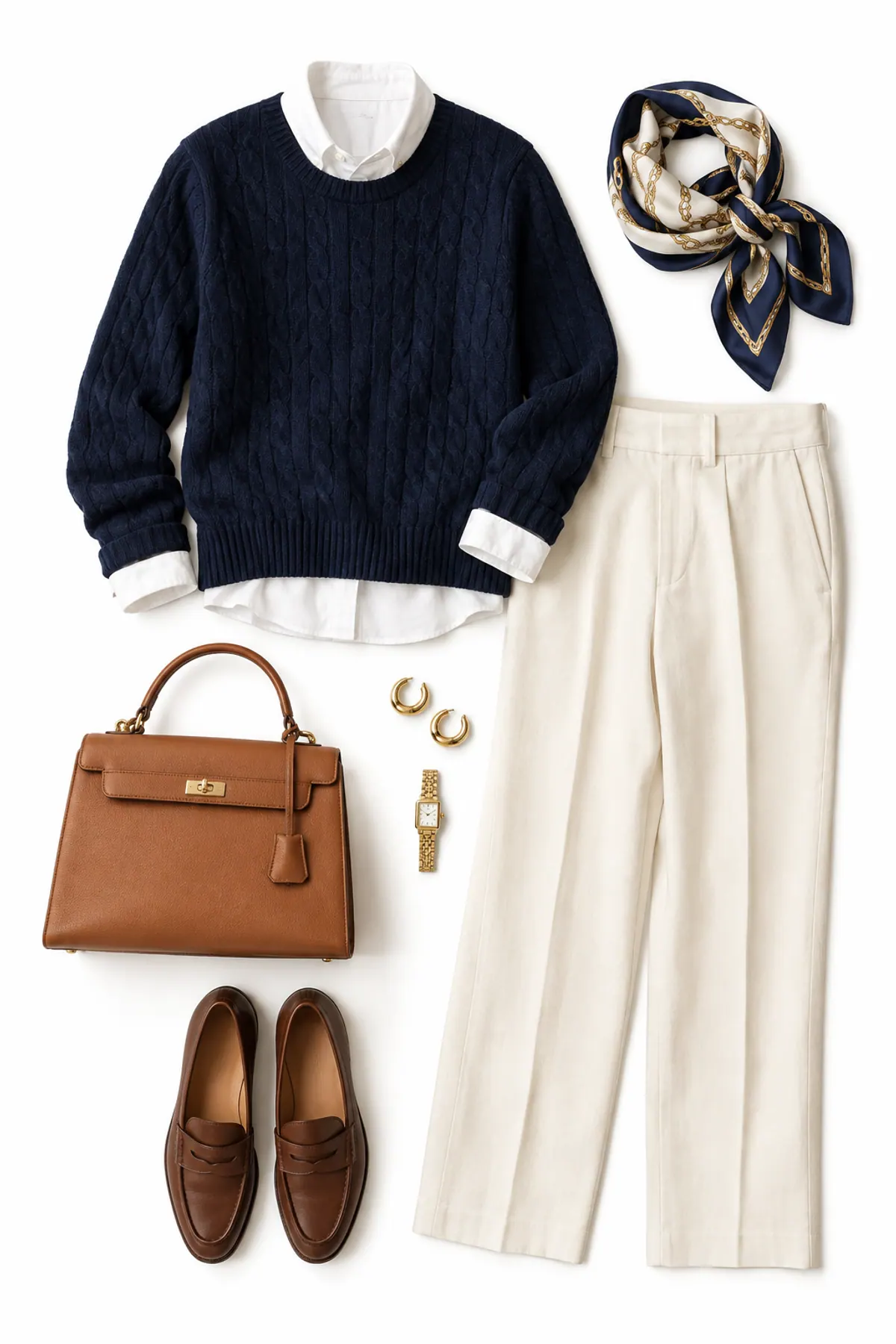
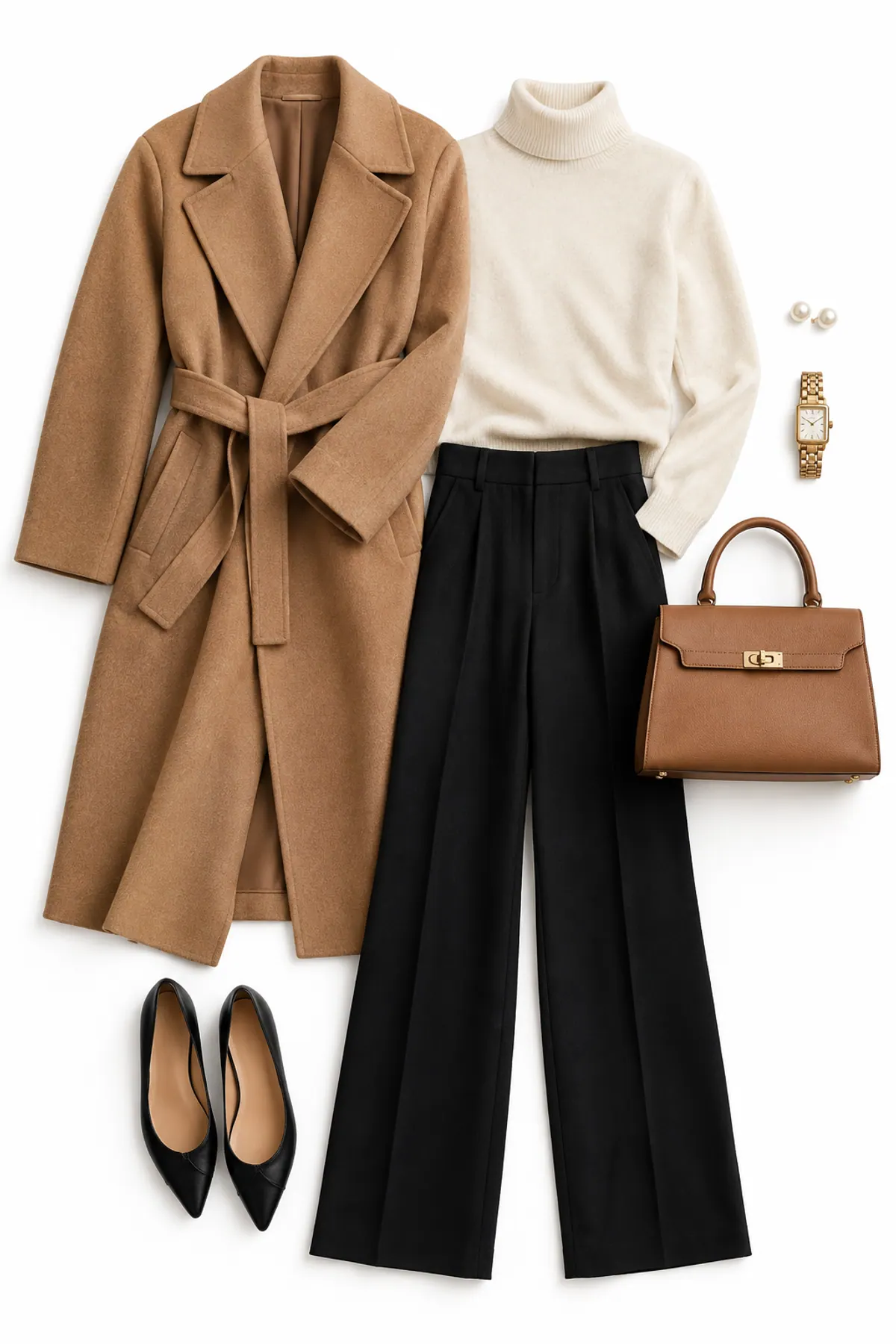
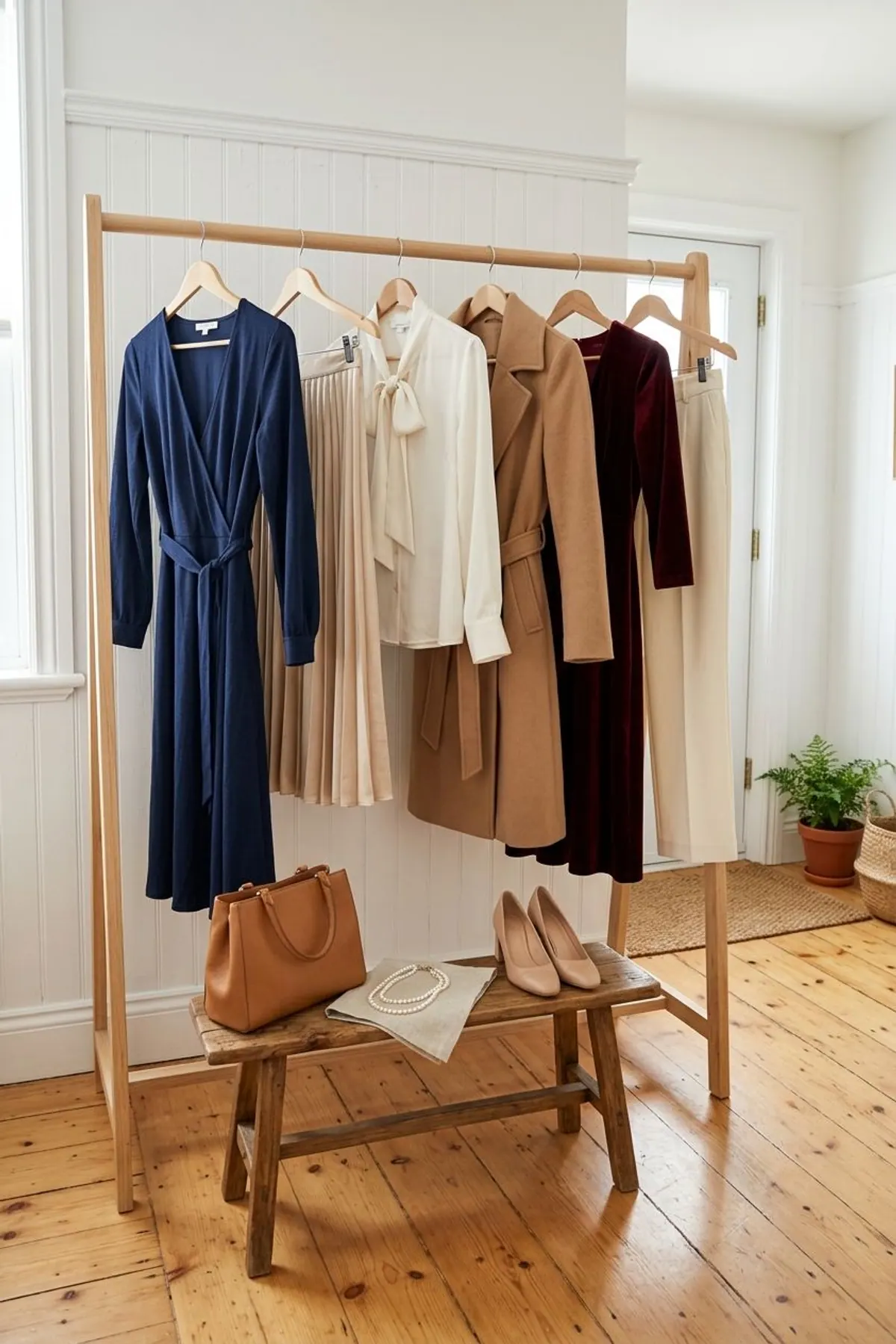
Tonal dressing (camel with cream and tan, navy with grey and black, or three shades of grey) is how to look expensive on a budget without buying a thing. One color family makes a long unbroken line, hides where one piece ends and the next begins, and reads as deliberate. Mixed bright colors read as random.
Cost: nothing.
What colors look most expensive: camel, cream, navy, charcoal, chocolate and black. Keep brights to a scarf.
- Match the shoe to the trouser, not the top. The leg looks longer and the outfit looks planned.
8Wear One Metal, Small ($12 to $35)
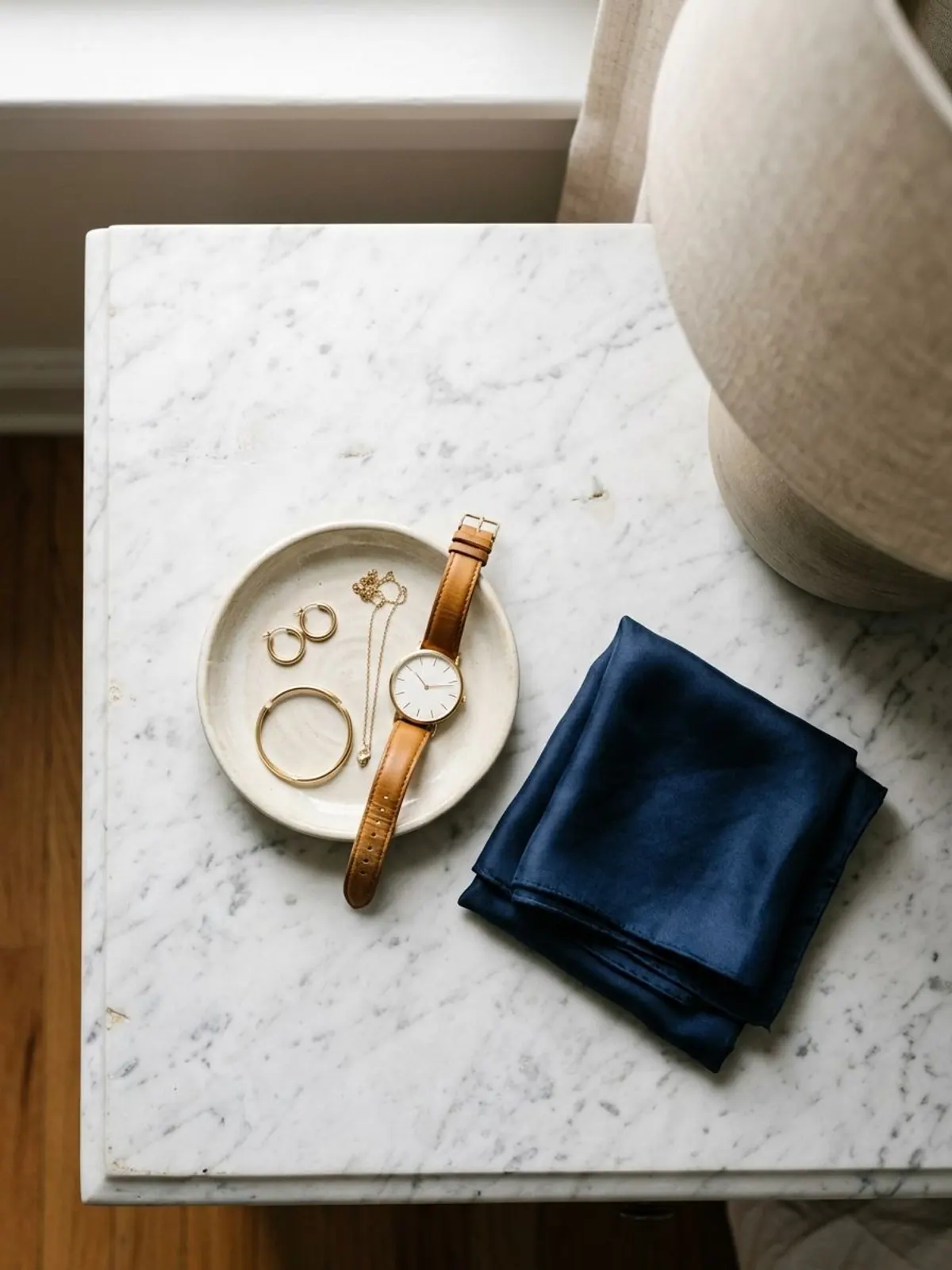
Pick gold or silver and stick to it, every day. Small hoops, a thin chain, a plain watch. Mixed metals and big costume pieces are the quickest way to make a good outfit look like a market stall. One pair of gold-plated hoops under $35 outlasts a drawer of trend earrings.
Cost: $12 to $35 for a pair of hoops that will not turn.
Rule: three pieces maximum, all one metal, none larger than a quarter.
- If your watch is silver and your hoops are gold, change the watch strap to tan leather and the clash disappears.
Sterling silver or stainless steel base with 14k plating holds its color. Hoops of 15 to 25 mm suit most faces.
9Remove Every Visible Logo ($0)
A logo, even an expensive one, tells people you paid for the name. No logo tells them nothing, which is the point. Check bags, belts, sneakers, sunglasses and tees. If the logo is a small metal plate, a jeweler or cobbler can usually remove it for a few dollars; if it is printed on, the piece is for the gym.
Cost: nothing, or a few dollars for removal.
Exception: a tiny embossed logo in the same color as the leather is fine. A contrasting one is not.
- Turn a logo belt around so the plain side shows, or swap the buckle for a plain brass one.
10Tuck, Half-Tuck and Roll ($0)
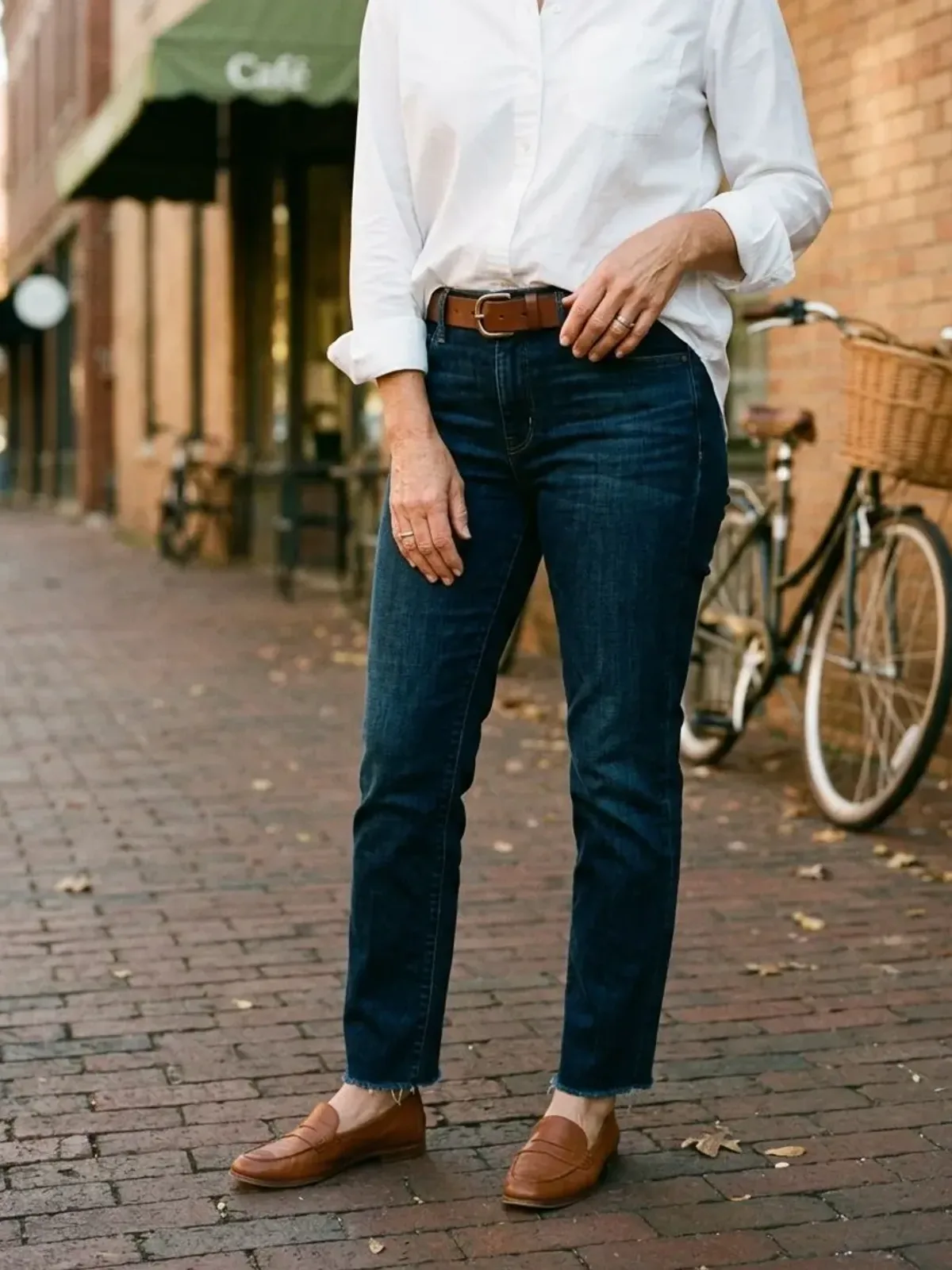
An untucked shirt over trousers hides the waist and shortens the leg. A full tuck with a belt or a front half-tuck shows where the body bends and makes any outfit look more considered. Roll sleeves twice, neatly, to the forearm, and push up knit sleeves once. It is the difference between dressed and thrown on.
Cost: nothing.
For a soft middle: half-tuck the front only and let the sides fall. It still draws the line without clinging.
- Tuck, then raise your arms and let the shirt blouse out an inch. That little slack is what makes it look relaxed instead of stuffed.
Classy on a Low Budget: Swap the Buttons, Change the Hangers, Add a Belt
Three small purchases that change how your existing clothes look and hang.
11Swap Plastic Buttons for Horn or Metal ($8 to $15)
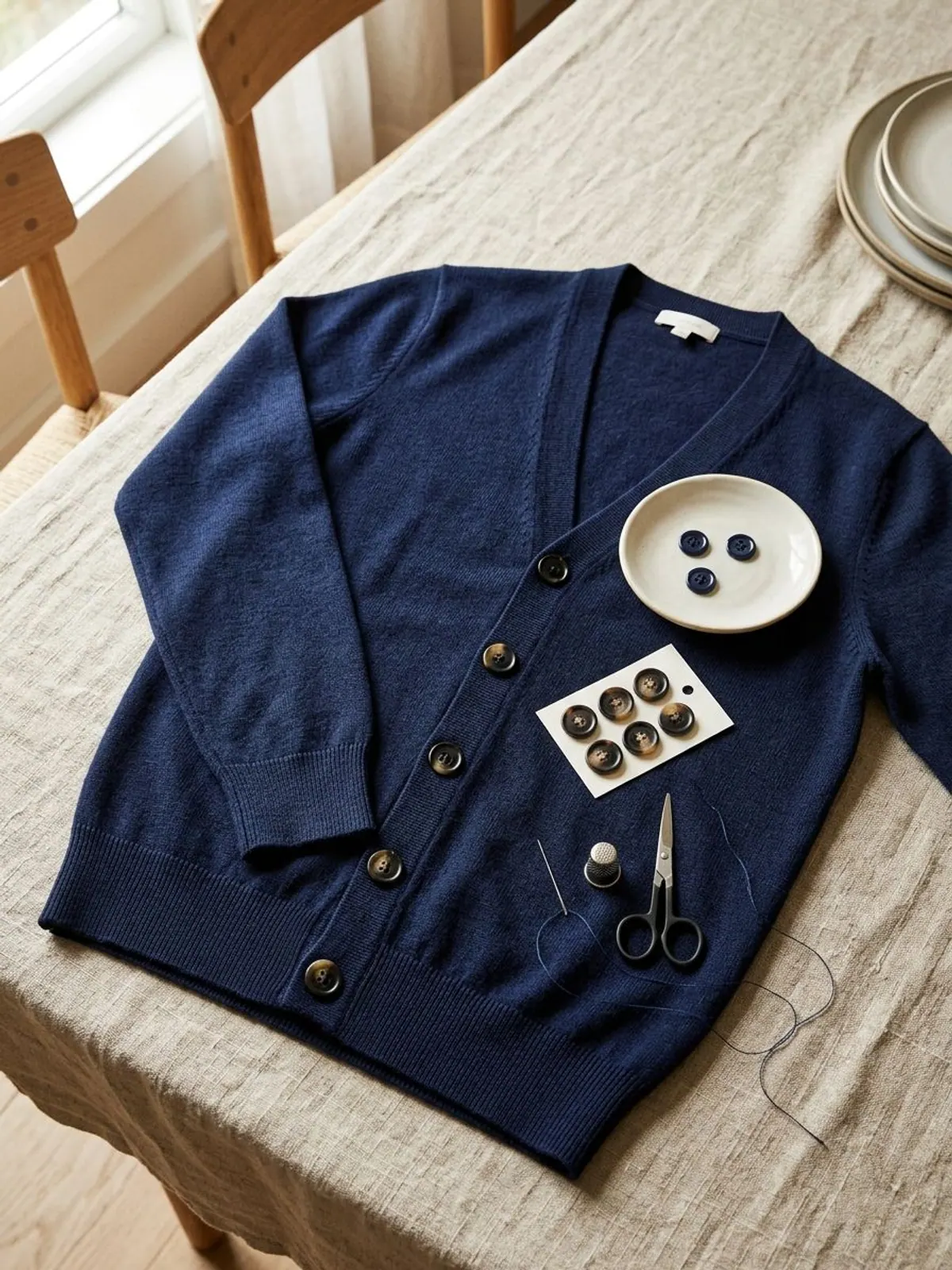
Shiny plastic buttons are the loudest cheap signal on a cardigan, coat or blazer. A card of real horn or matte metal buttons costs $8 to $15 and takes twenty minutes to sew on. The garment reads two price brackets higher. Do your most-worn coat first.
Cost: $8 to $15 per garment.
Match: dark horn for navy and black, light horn for camel and cream, brushed brass for blazers.
- Photograph the old button placement before you cut, and keep one old button in case you need to match a thread color.
Natural horn has a matte grain that plastic cannot copy. Check the size matches your buttonholes.
12Hang Everything on Matching Hangers ($20 to $40)
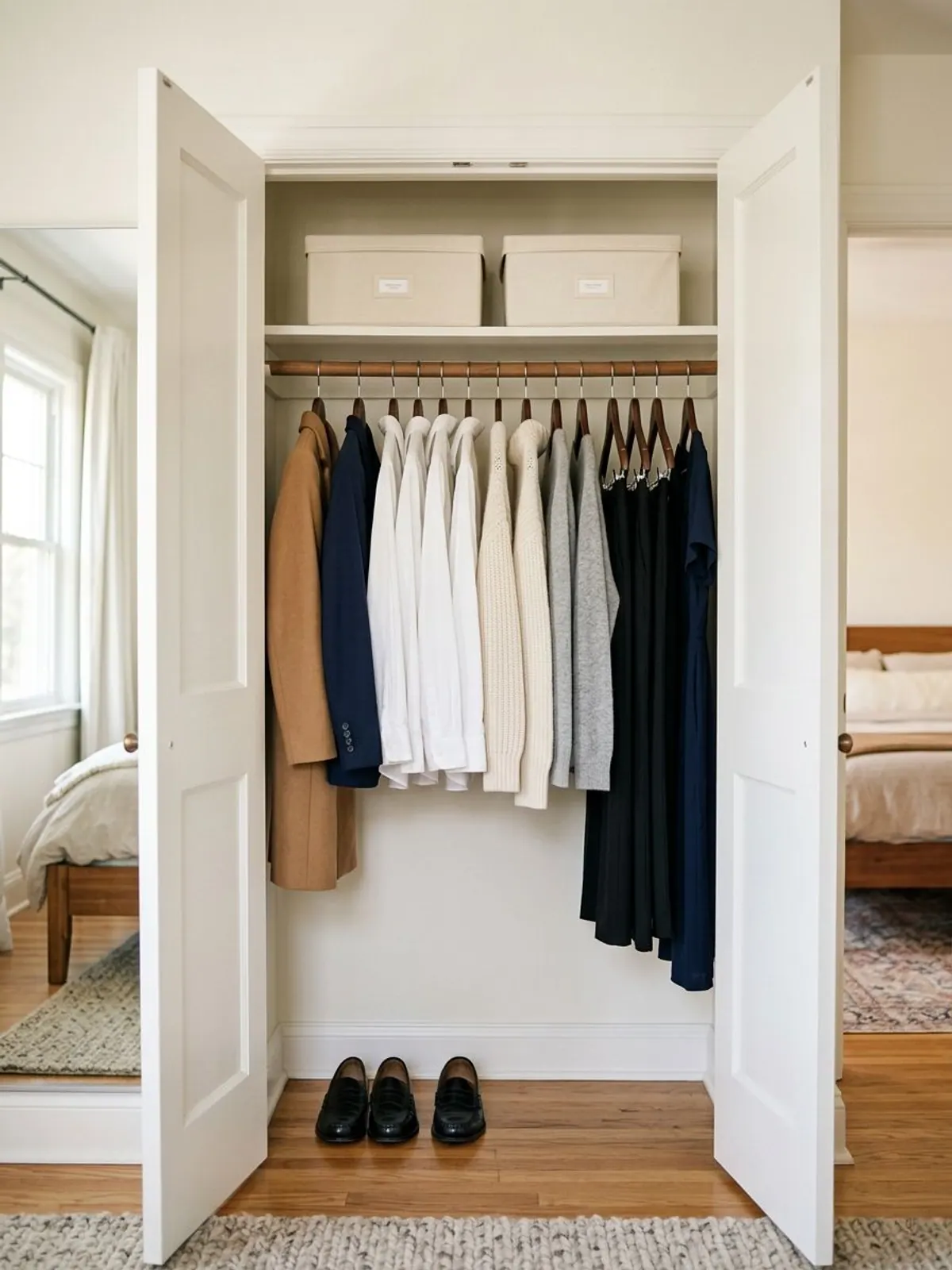
This one is for you, not for other people, and it still shows. Clothes on matching wooden or slim velvet hangers keep their shoulders, stop creasing and let you see what you own. A 20-pack of wooden hangers runs $20 to $40. You get dressed faster and your coats stop looking slumped.
Cost: $20 to $40 for 20 hangers.
Rule: wide wooden hangers for coats and blazers, slim velvet for shirts and dresses, folded for knits.
- Hang the outfit for tomorrow on the wardrobe door tonight. Steam it, and the morning takes five minutes.
A contoured shoulder and a non-slip bar. Natural or walnut, whichever matches your closet.
13Add One Good Leather Belt ($20 to $40)
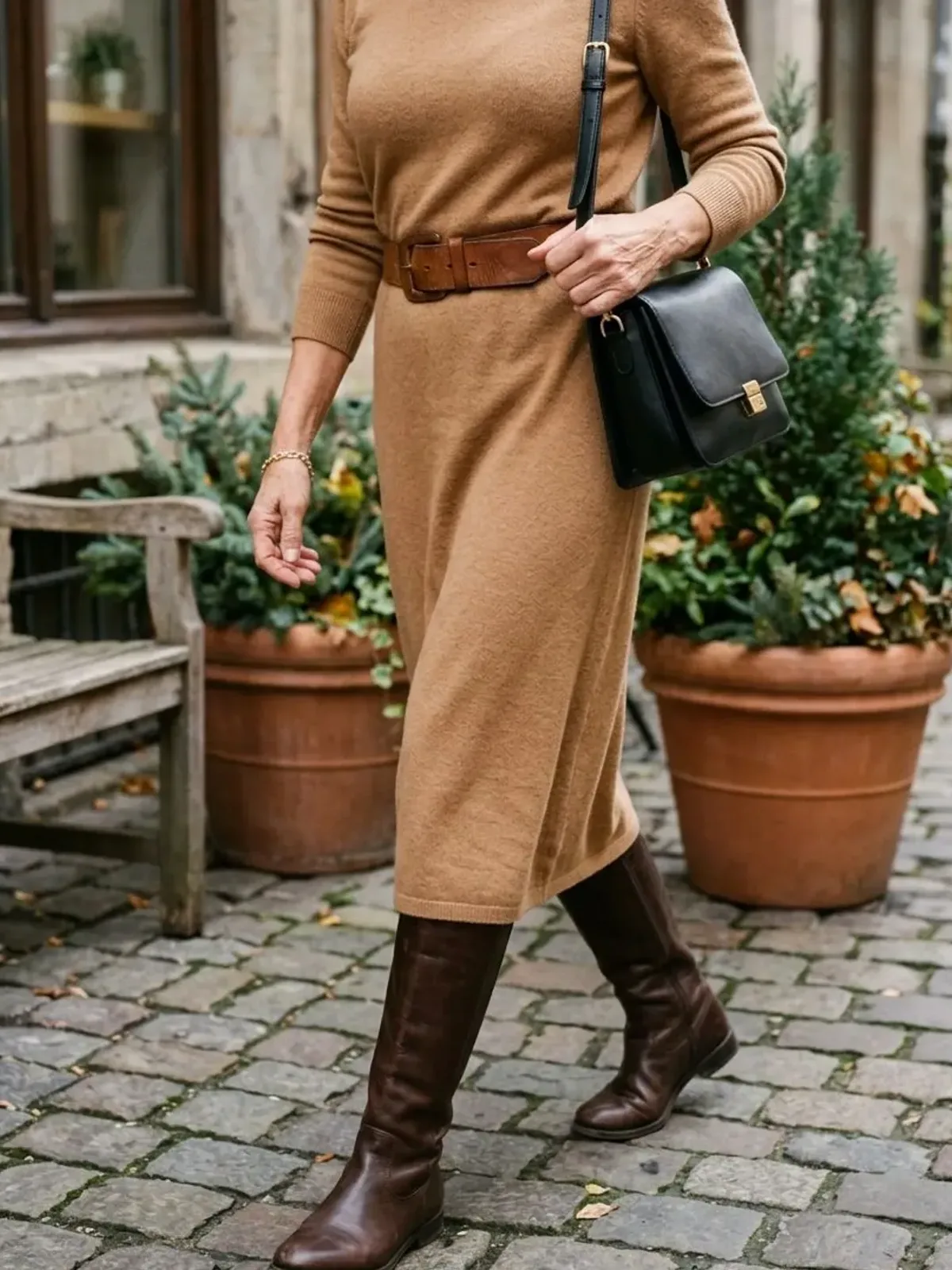
A real leather belt with a plain brass or silver buckle finishes trousers, defines a knit dress and ties a tonal outfit together. One in brown and one in black cover everything. Full-grain leather at $20 to $40 ages better than a $150 logo belt, because it has nothing to scratch.
Cost: $20 to $40 each.
Width: an inch for trousers and jeans, an inch and a half to two inches over a dress or a long cardigan.
- Match the belt leather to your shoes, not your bag. The bag can be the other neutral.
Full-grain, one piece of leather, plain buckle. It should bend without creasing.
Shoes and Bags: Shape Beats Brand
Nobody reads the label inside a shoe. Everybody sees whether it is polished and whether the bag holds its shape.
14Polish, Tree and Brush Your Shoes ($15 to $35)
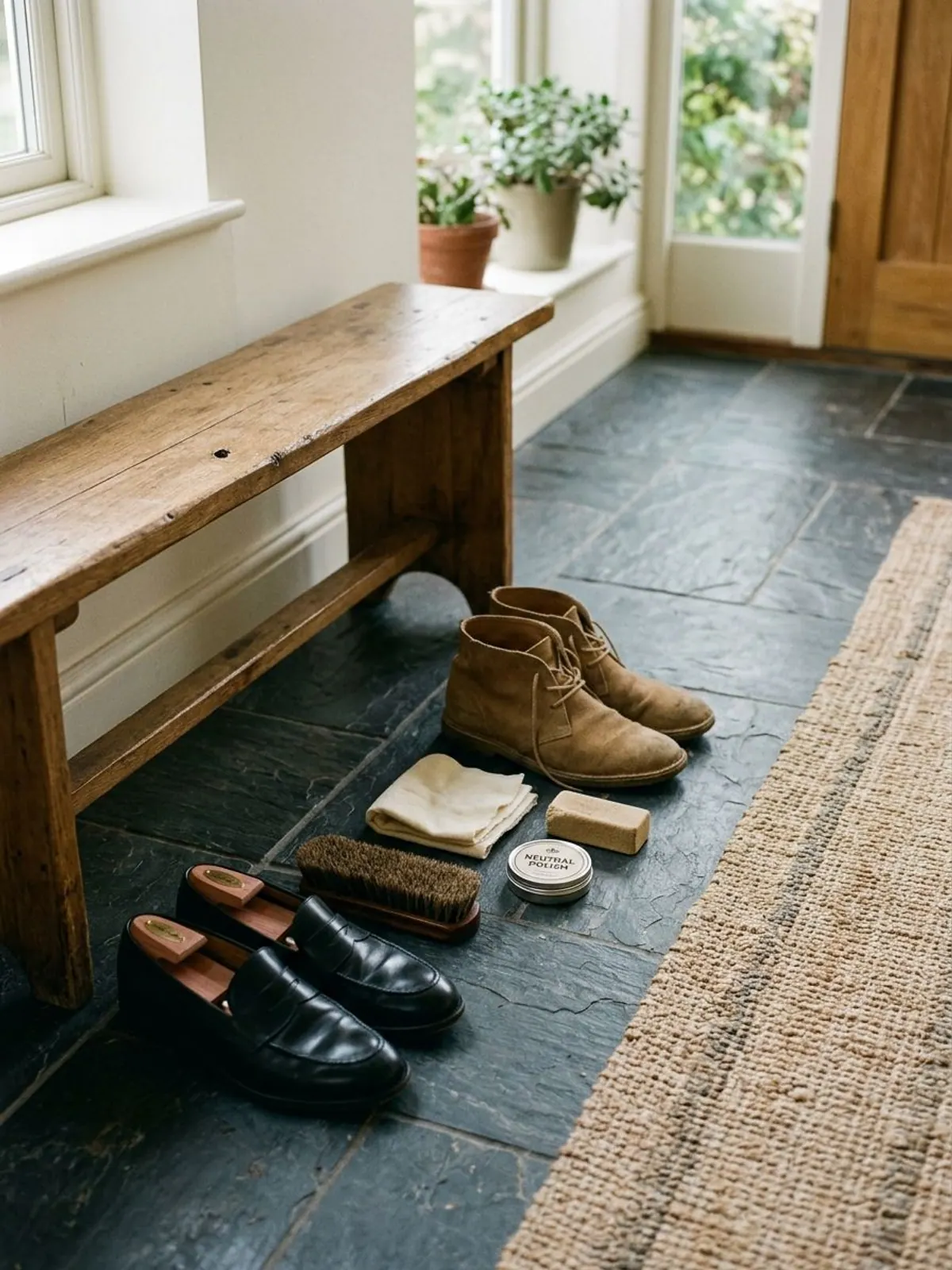
Scuffed shoes undo everything above them. A shoe care kit (neutral polish, a horsehair brush, a cloth and a suede eraser) costs $15 to $35 and takes five minutes a week. Cedar shoe trees keep leather from creasing and cost about the same. Polished $50 loafers look better than scuffed $400 ones every time.
Cost: $15 to $35 for the kit, $15 to $30 for shoe trees.
Order: brush off dirt, polish, buff, insert trees, leave overnight.
- Neutral polish works on every color. Keep one tin and one brush by the door.
Neutral cream polish, a horsehair brush, a buffing cloth and a suede block cover every shoe you own.
15Carry a Structured Bag in One Neutral ($35 to $90)
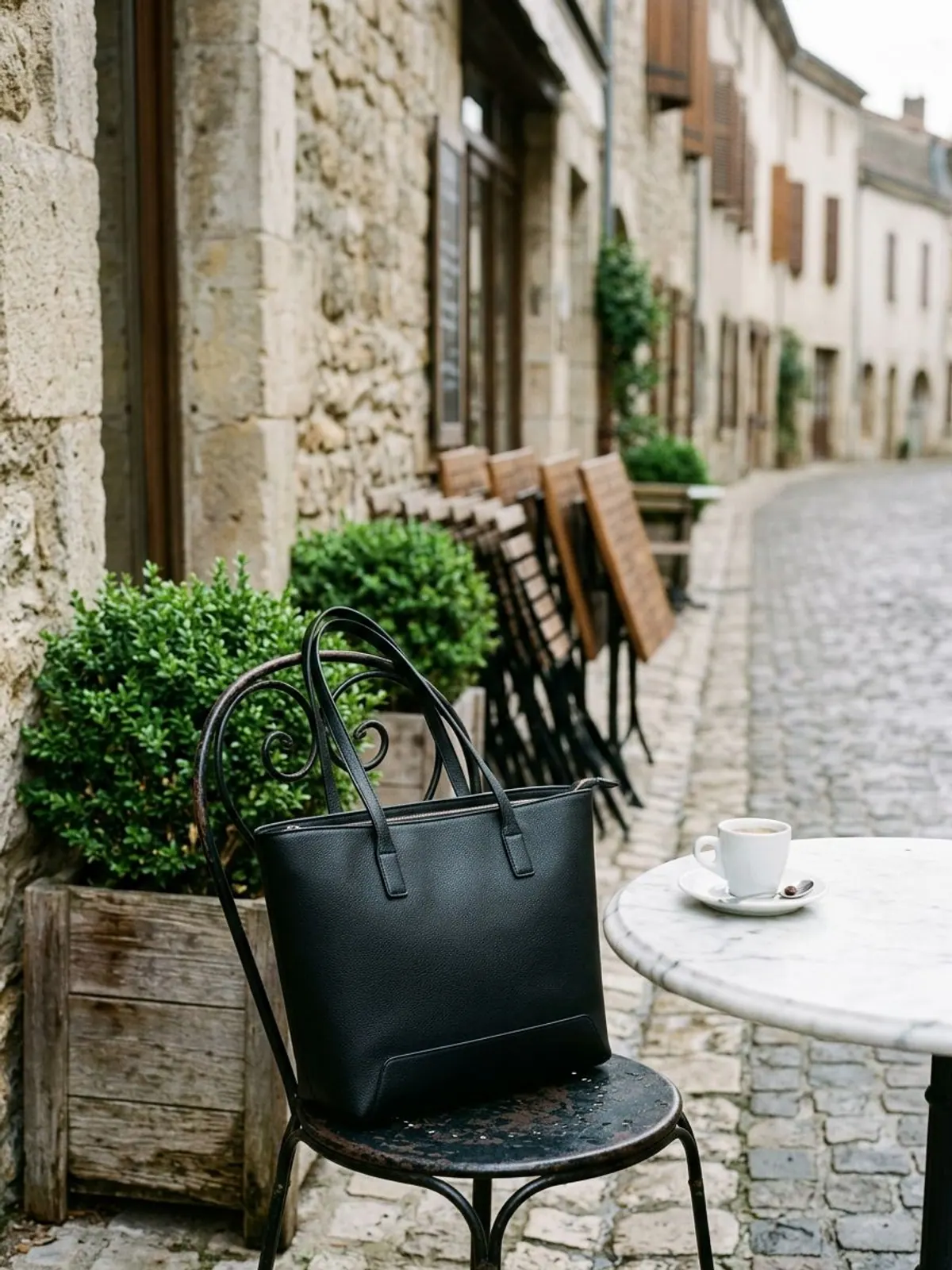
A bag that stands up on its own, in black, tan or chocolate, with no hardware beyond a zip, reads expensive at any price. Slouchy, shiny or logo-covered bags do not. Structured faux leather at $35 to $90 beats a floppy real-leather bag, because shape is what the eye reads first.
Cost: $35 to $90.
Keep it tidy: empty it weekly and store it stuffed with tissue so the sides stay straight.
- One tote for day and one small crossbody or clutch for evening is all you need. Two bags, not twelve.
Straight sides, a flat base, a top zip and no visible branding. Pebbled texture hides scratches.
Plus Size and Petite Notes
Every trick above works at every size. Two matter more for plus sizes: the hem (a trouser that puddles reads as too big everywhere) and the waist alteration, because off-the-rack sizes assume a hip-to-waist ratio most of us do not have. Spend the first $40 there. Tonal dressing is also kinder than color blocking, which chops the body into sections.
Petite readers: shorten sleeves and hems before anything else, because an inch of extra length looks like three on a shorter frame. Keep the belt narrow (one inch) and the bag small. A structured bag the size of a sheet of paper looks right; one the size of a laptop bag swallows you.
Winter Edition: Coat, Scarf and Boot Care
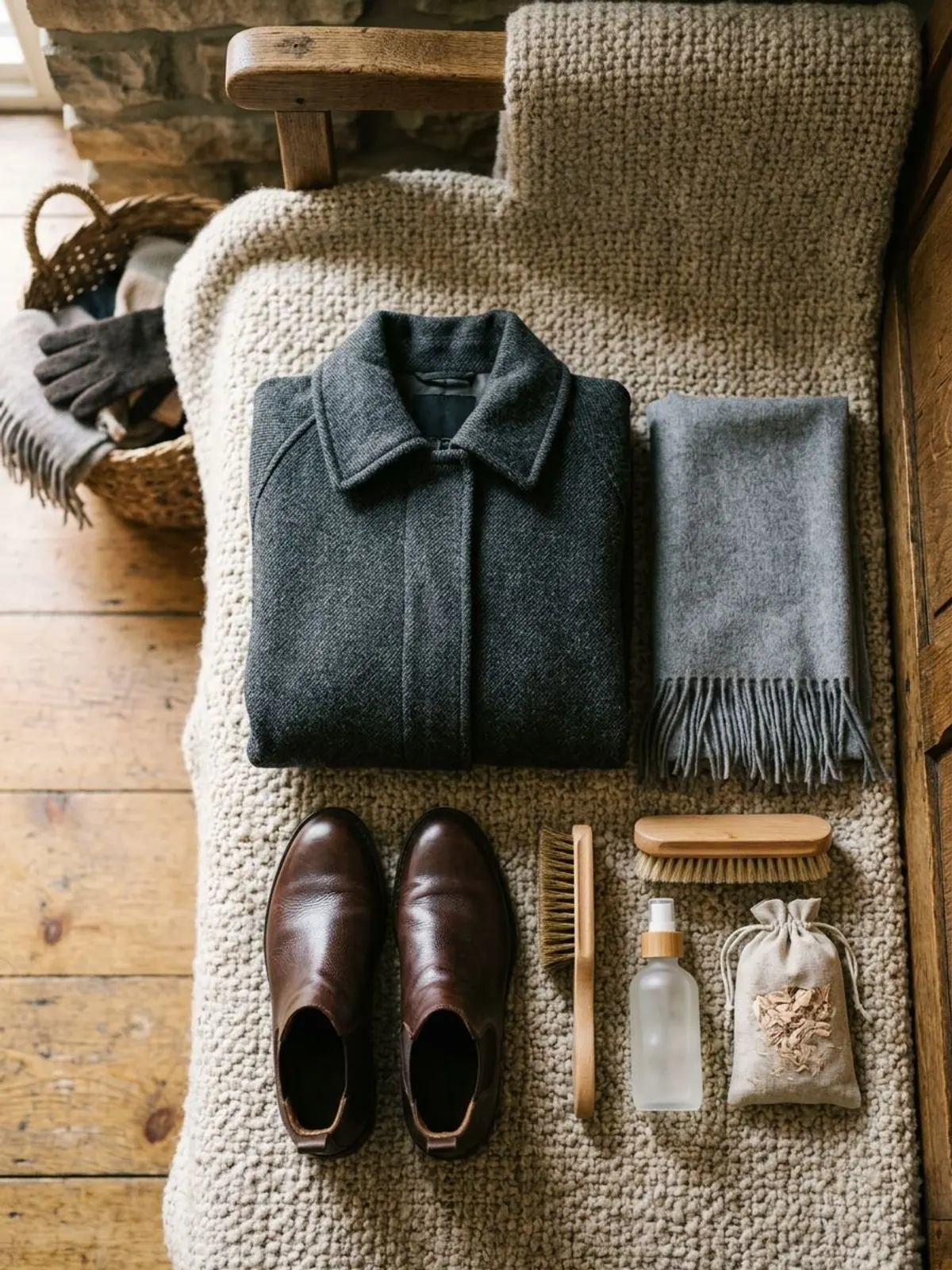
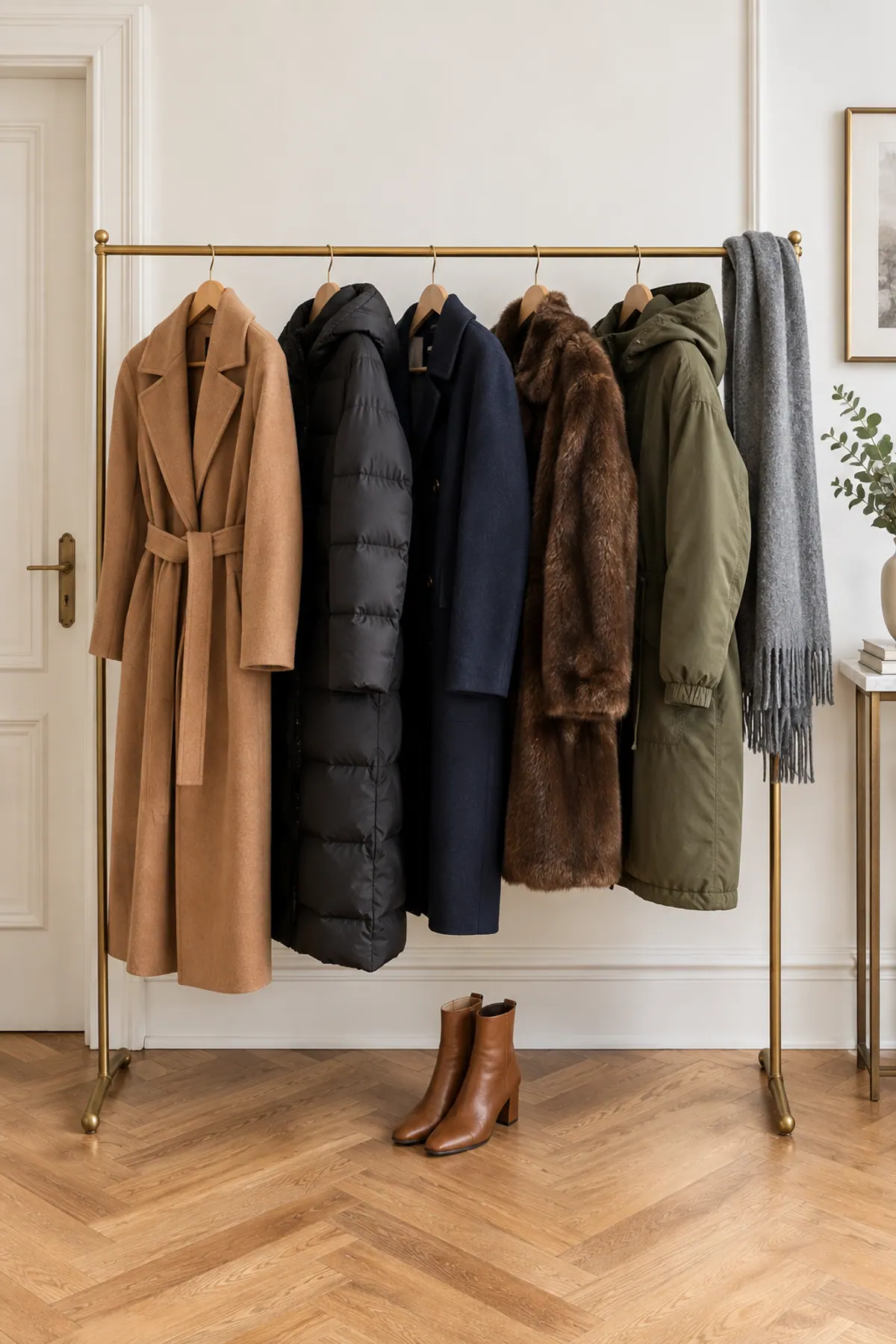
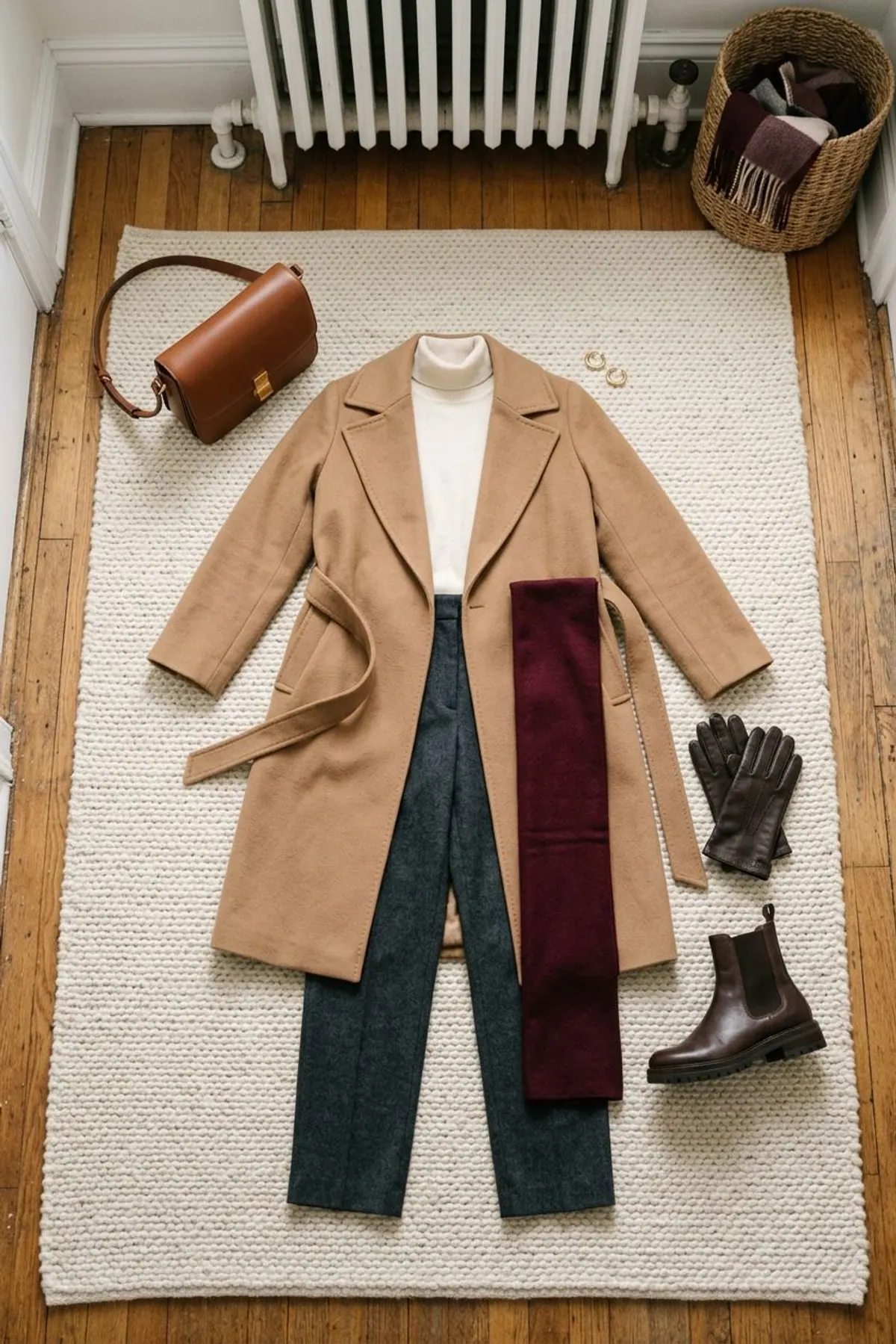
In winter the coat is the whole outfit, so it gets the whole toolkit. Brush it every time you come in, replace its buttons if they are plastic, have the sleeves shortened to the wrist bone and steam the collar flat. Our guide to winter coats that look expensive covers which cuts to buy; this list covers how to keep the one you have looking new.
Scarves: one cashmere or fine wool in a solid neutral, de-pilled with the fabric shaver every few wears. Boots: waterproof spray before the first wet day, polish weekly, cedar trees overnight. Salt marks come off with a cloth dipped in equal parts water and white vinegar.
Mistakes That Make Outfits Look Cheap
Reads expensive
- Hems that graze the shoe and sleeves that show a sliver of cuff.
- Matte fabrics: wool, cotton, ponte, washed satin, suede.
- One color family plus one metal.
- Horn or metal buttons, a plain-buckle leather belt.
- Polished shoes with trees inside; a bag that stands up on its own.
Reads cheap
- Trousers pooling at the ankle; sleeves covering the hand.
- High-shine polyester, thin jersey that shows every line, pilled knits.
- Three bright colors, gold and silver together, big costume jewelry.
- Shiny plastic buttons, logo buckles, visible brand names.
- Scuffed shoes, a slouchy bag, dryer creases.
The 20-Minute Sunday Routine
Here is the whole list as a weekly habit. Twenty minutes on Sunday keeps every outfit in the week looking pressed and planned.
What you need
-
Step 1: Pull the week's outfits (3 minutes)
Choose five outfits in one or two color families. Hang each on a matching hanger with the belt and jewelry decided, so no morning needs a decision.
-
Step 2: Steam every top and dress (6 minutes)
Two minutes per piece on the hanger, from the inside for stubborn creases. Let them hang for ten minutes before they go back in the closet.
-
Step 3: De-pill and brush (5 minutes)
Run the fabric shaver over any knit you will wear, then brush the coat and blazer downward with the nap. Lint-roll dark trousers.
-
Step 4: Polish the week's shoes (4 minutes)
Brush, polish, buff, insert cedar trees. Two pairs a week keeps every pair in rotation looking new.
-
Step 5: Flag one fix for the tailor (2 minutes)
Pick one piece that needs a hem, a waist dart or shorter sleeves, pin it and leave it by the door. One alteration a week is the whole fit problem solved by spring.
Get the Outfit Formula Cards (and the Free Capsule Planner)
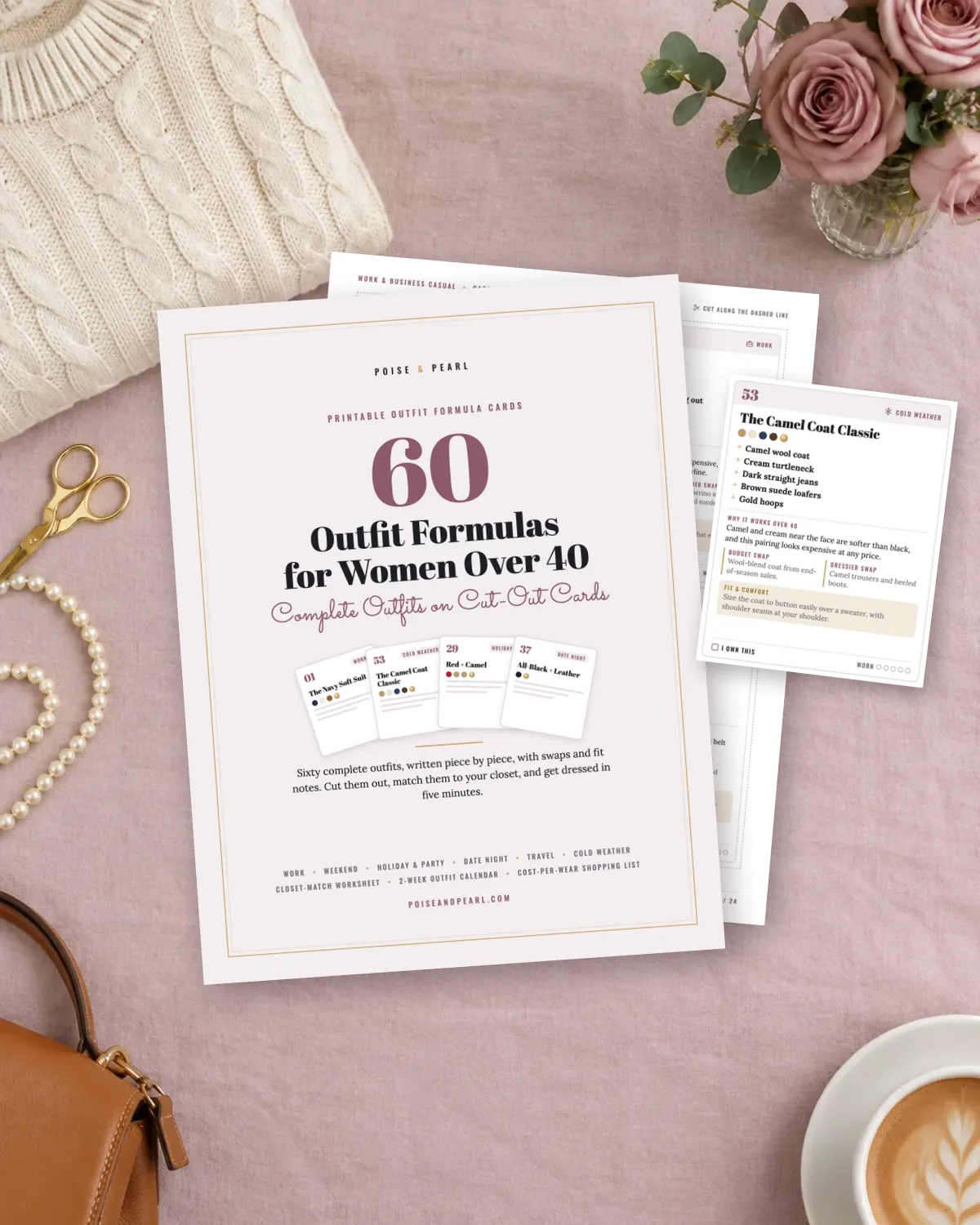
Once the clothes fit and look cared for, the last step is putting them together without thinking. The Outfit Formula Cards are 60 print-and-keep cards, each one a complete outfit spelled out piece by piece in the tonal, one-metal style this list teaches. Keep them in the closet and pull one on slow mornings. If you like the formulas in our classy outfits for women over 40, the cards are those plus 50 more.
And if you want to sort the closet before you buy a single hanger, start with the free planner. The closet audit and gap list tell you what to keep, what to fix and what to let go.
Frequently asked questions
How can I look expensive on a budget?
Fix fit and care before you buy anything: hem trousers to your shoes, shorten sleeves to the wrist bone, steam every piece, de-pill knits, polish shoes and swap plastic buttons for horn. Then dress in one color family with one metal and no visible logos. The whole kit costs under $50 and works on the clothes you own.
What makes an outfit look cheap?
Trousers pooling at the ankle, sleeves covering the hand, creases, pilled knits, high-shine polyester, mixed metals, big costume jewelry, visible logos, scuffed shoes and a bag that slouches. Each of those is fixable for under $25.
What colors look the most expensive?
Camel, cream, navy, charcoal, chocolate brown and black, worn in one family at a time. Tonal outfits (camel with cream and tan, or navy with grey) read as deliberate. Keep brights to a scarf or one knit.
How do I look classy on a low budget?
Spend on a tailor and a steamer before clothes. A $15 hem, a $25 steamer, a card of horn buttons and matching hangers make a $40 trouser and a $30 blouse look like tailored pieces. Add one leather belt and polished shoes.
Does a steamer really help clothes look expensive?
Yes. Creases are the cheapest-looking thing an outfit can have, and a $25 to $50 handheld steamer removes them in two minutes per piece without scorching silk or knits. It is the single most useful tool on this list.
How do women over 40 look expensive without designer clothes?
By getting the proportions right (hems, sleeves, waist), keeping fabrics matte and smooth, dressing tonally with one small metal, and keeping shoes polished and bags structured. None of that needs a label. It needs a tailor, a steamer and ten minutes a week.
Save it for later
Pin this to your Outfit Ideas board so it's there when you need it.
Save to Pinterest