This post contains affiliate links. As an Amazon Associate we earn from qualifying purchases, at no extra cost to you. Read our disclosure.
Key takeaways
- Dress one notch dressier than the people who work there every day.
- A matching suit is only needed in conservative fields. A blazer with separate trousers or a skirt works almost everywhere else.
- Do the sit, reach and walk test a few days before, so the outfit is comfortable.
- In winter, wear boots to the building and carry your interview shoes in a cloth bag.
- On video, spend your effort on the top half: a solid blouse, a blazer and small earrings.
In this post10 sections
- Job Interview Outfits for Women Over 50: The One-Notch-Up Rule
- Pick Your Outfit in Five Steps
- Office and Corporate: Structured and Quiet
- Creative and Tech: Relaxed Shapes and One Statement Piece
- Casual and Service Workplaces: Neat, Clean and Comfortable
- Pants, Skirt or Dress? Is a Suit Required?
- A Winter Interview Day Plan
- Video Interview: Dress From the Top Down
- Shoes and the Interview Bag
- FAQ
Job Interview Outfits for Women Over 50: The One-Notch-Up Rule
The simplest rule is to dress one notch dressier than the people who work there dress every day. If the staff wear jeans and sweaters, you wear dark trousers and a blazer. If they wear blazers, you wear a matching jacket and trousers or a skirt. The goal is to look like someone who already belongs, not like someone dressed for a different job.
| Workplace | Top | Bottom | Shoes | Extra |
|---|---|---|---|---|
| Traditional office (law, finance, government, healthcare administration) | Matching or coordinated blazer over a plain blouse | Tailored trousers or a knee-length skirt | Closed low-heel pumps or polished loafers | Small studs, a structured bag |
| Creative, tech, marketing, nonprofit | Relaxed blazer over a fine knit | Straight or wide-leg trousers | Leather loafers or clean ankle boots | One statement piece of jewelry |
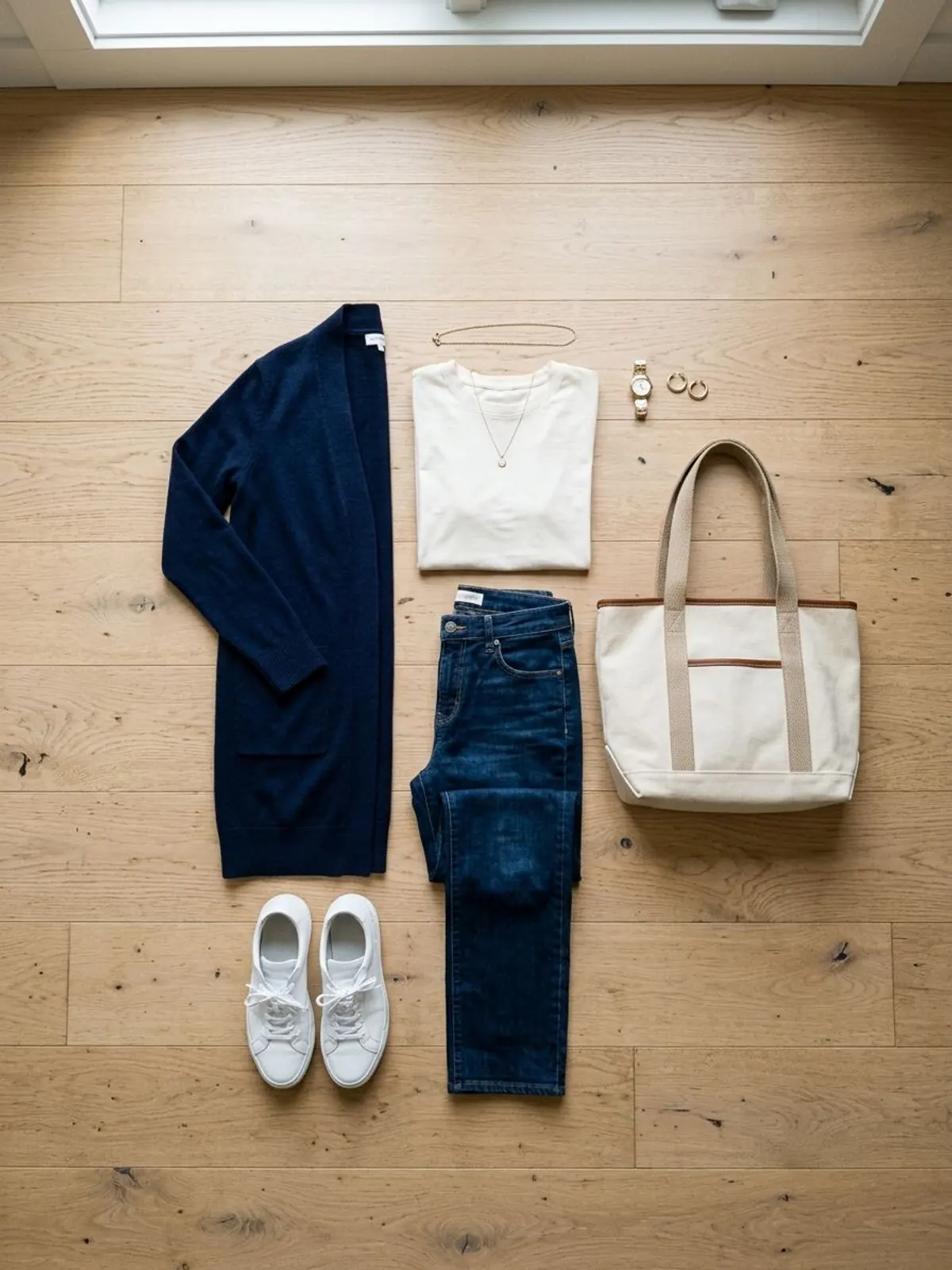
| Casual and service (retail, hospitality, schools, care) | Long cardigan or neat jacket over a plain top | Dark jeans with no rips, or chinos | Clean leather sneakers or flats | A tote that holds a folder |
Pick Your Outfit in Five Steps
Work through these in order the week before the interview. By the end you will have one outfit you have actually sat and walked in.
-
Step 1: Find out how they dress
Look at the company's careers page, social media photos and team page, or ask the recruiter what the dress code is. Interviewers are used to that question, and it shows you care.
-
Step 2: Match the workplace formula
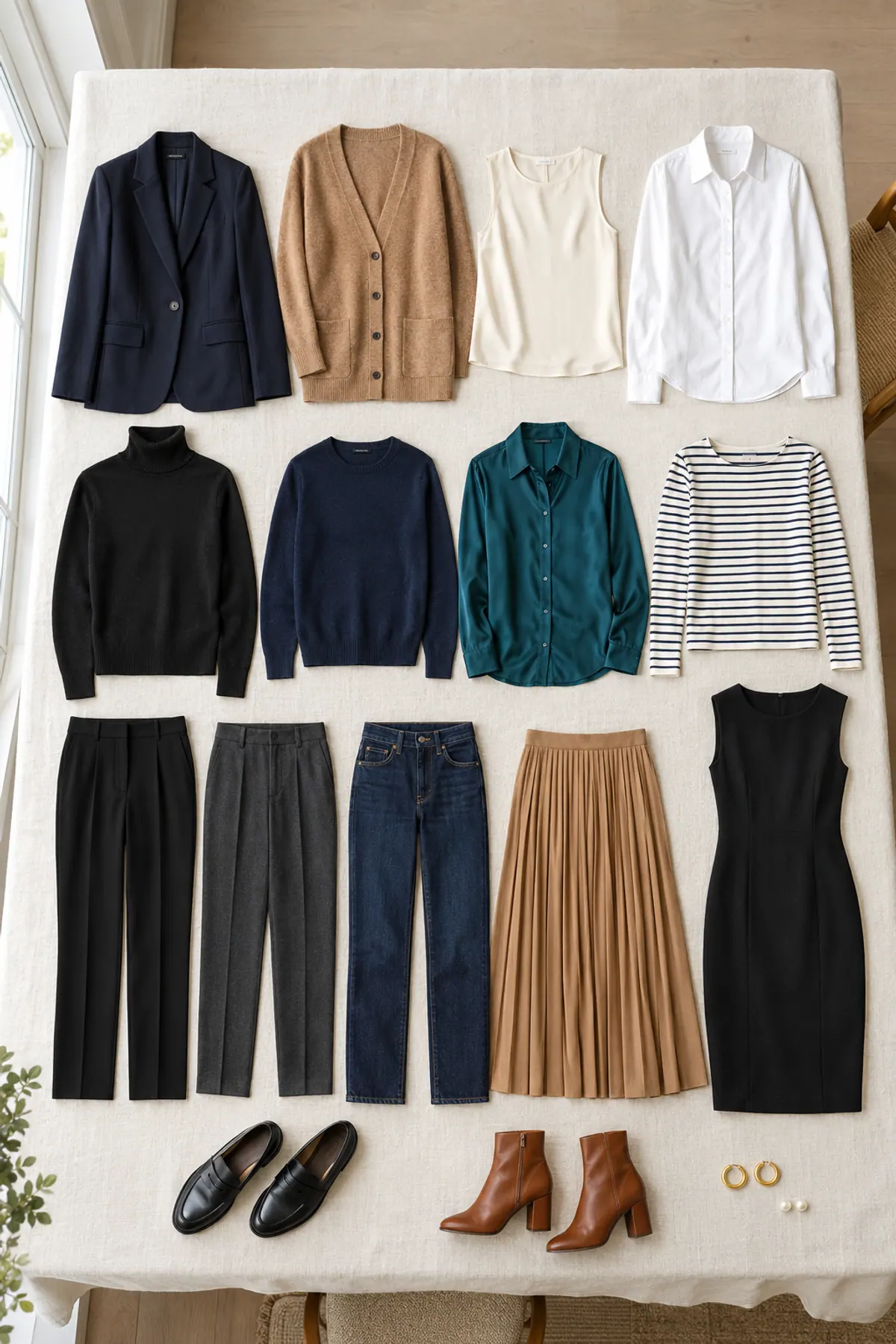
Use the table above and move one notch up. Choose solid, mid-tone colors such as navy, charcoal, camel, olive or deep teal, which look current and photograph well.
-
Step 3: Do the sit, reach and walk test
Sit in the outfit for ten minutes. Reach for something on a high shelf, and walk up a flight of stairs. If a waistband digs in, a blouse gaps or a shoe rubs, change it now, not in the lobby.
-
Step 4: Plan the weather
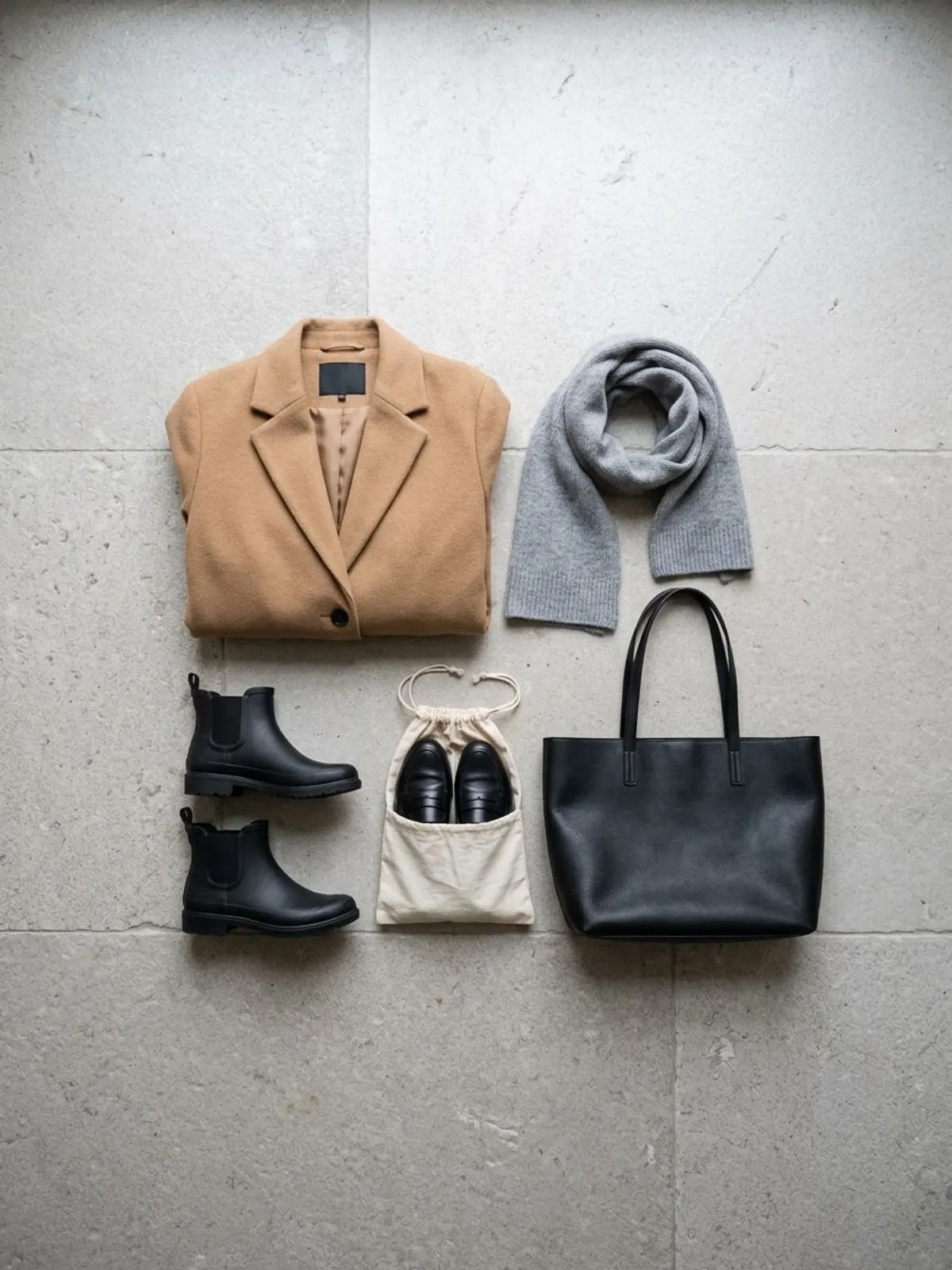
Pick a coat that looks neat when you take it off, and a bag that holds your folder. On a wet or snowy day, wear boots to the building and carry your interview shoes.
-
Step 5: Lay it out the night before
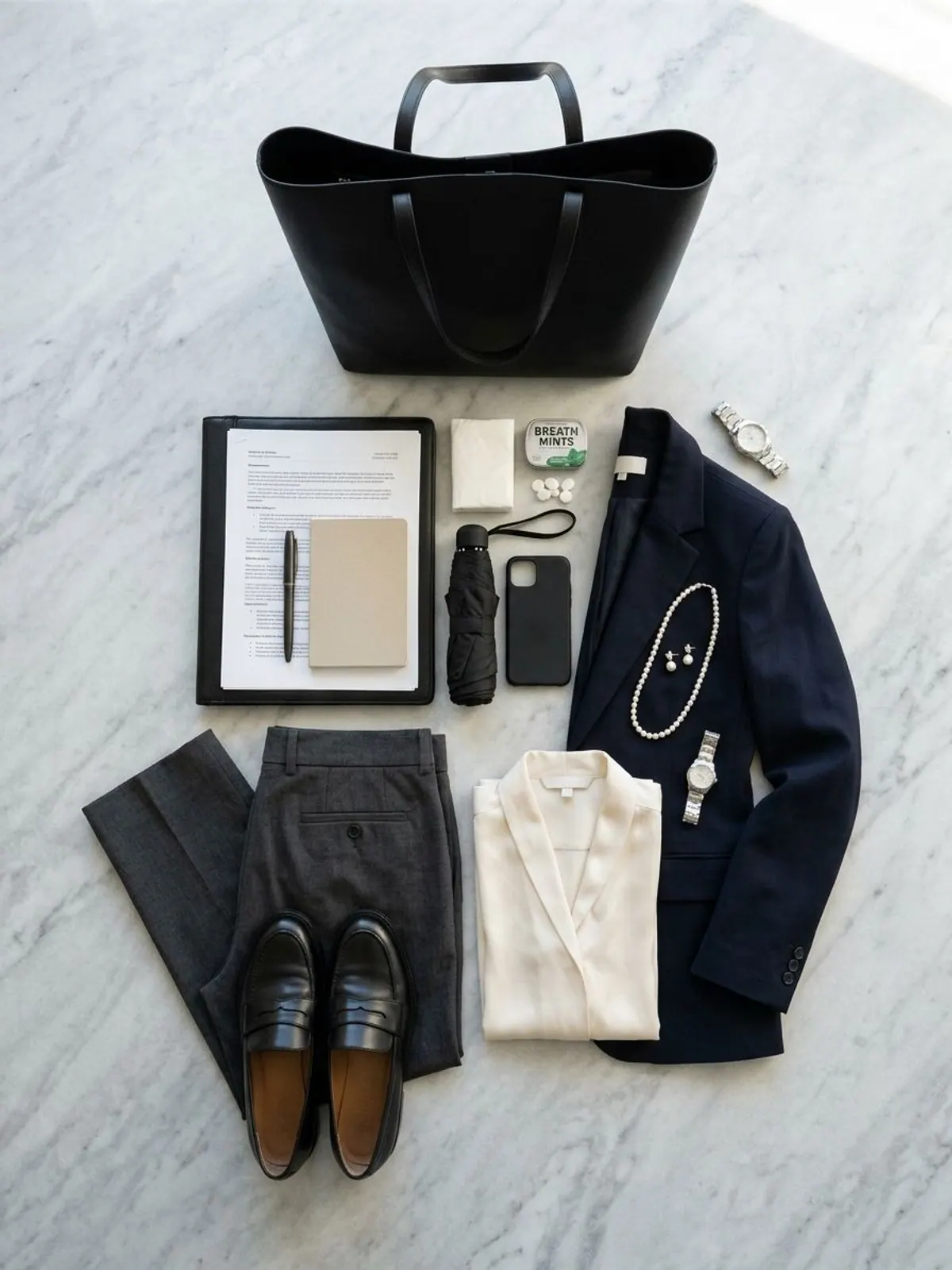
Press the blazer, check for lint, and put your folder, pen and printed resumes in the bag. A calm morning shows up in the first five minutes of the conversation.
Office and Corporate: Structured and Quiet
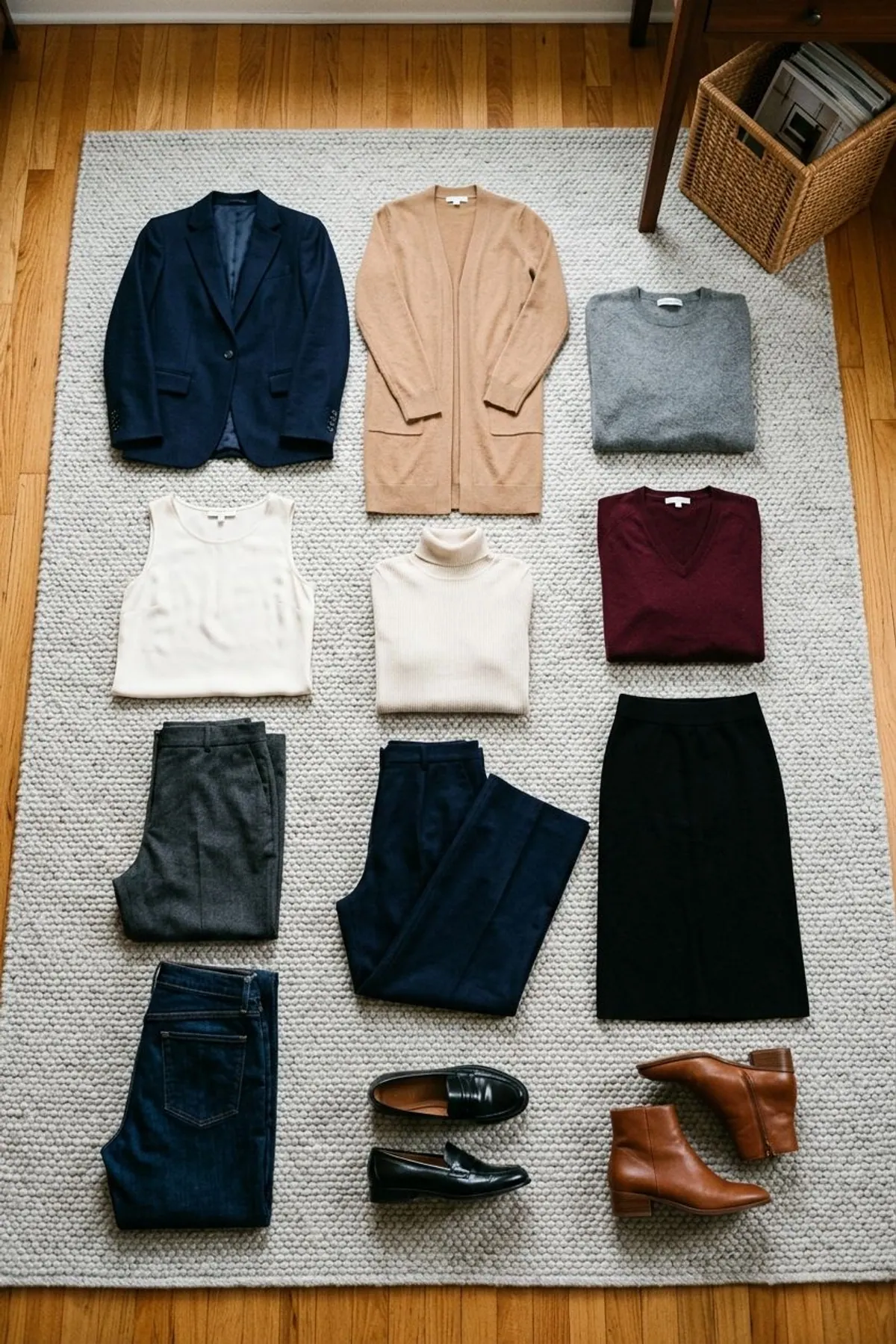
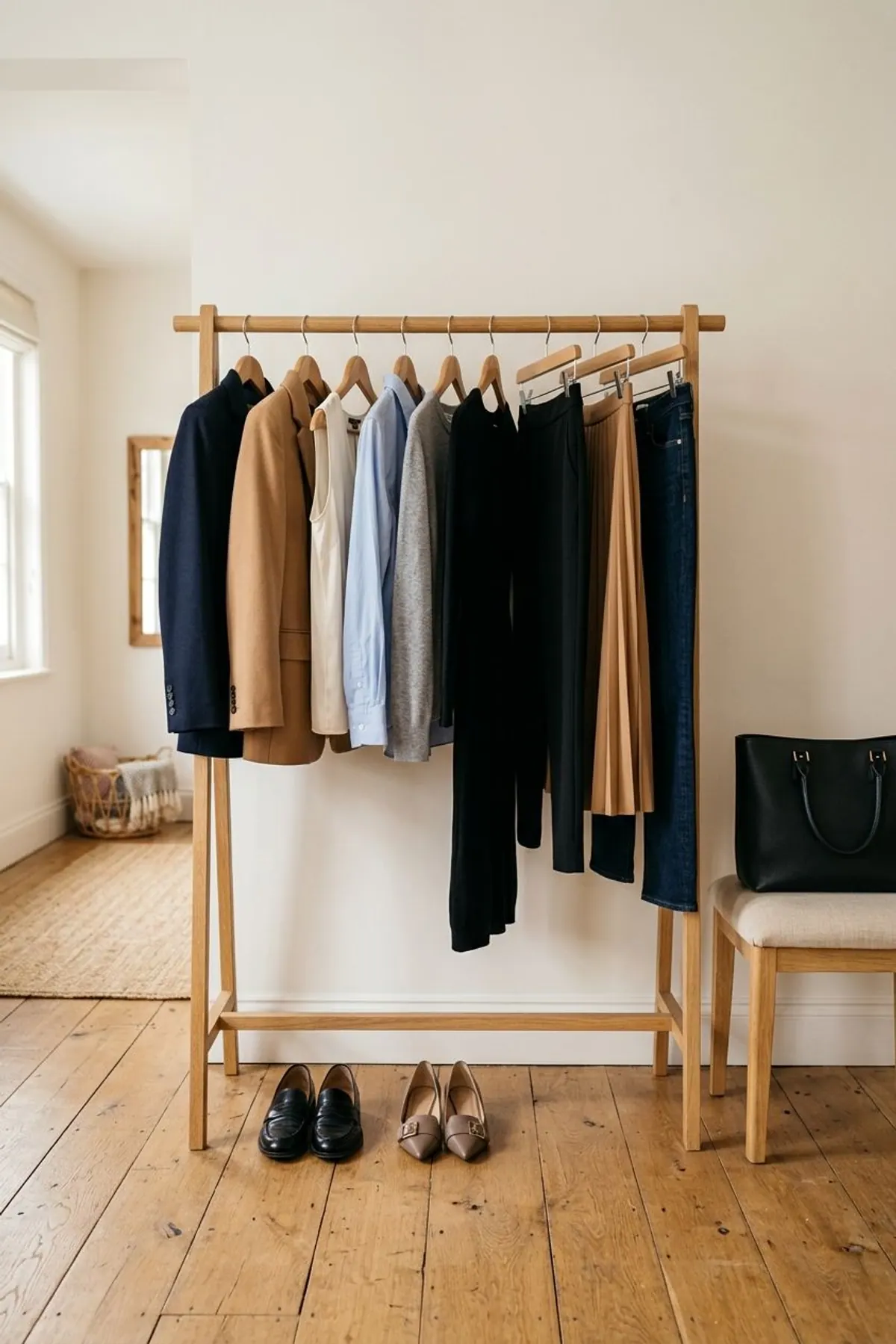
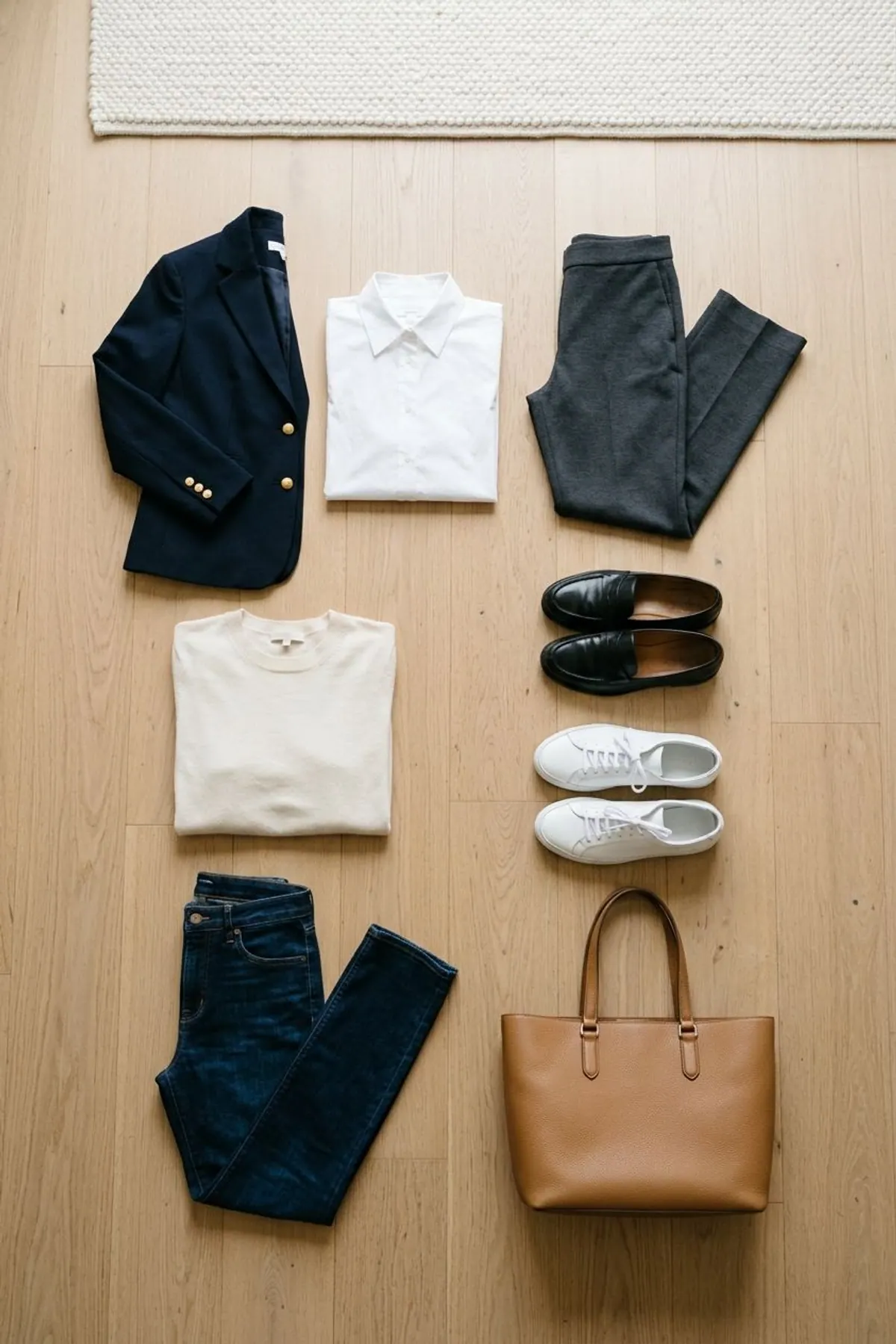
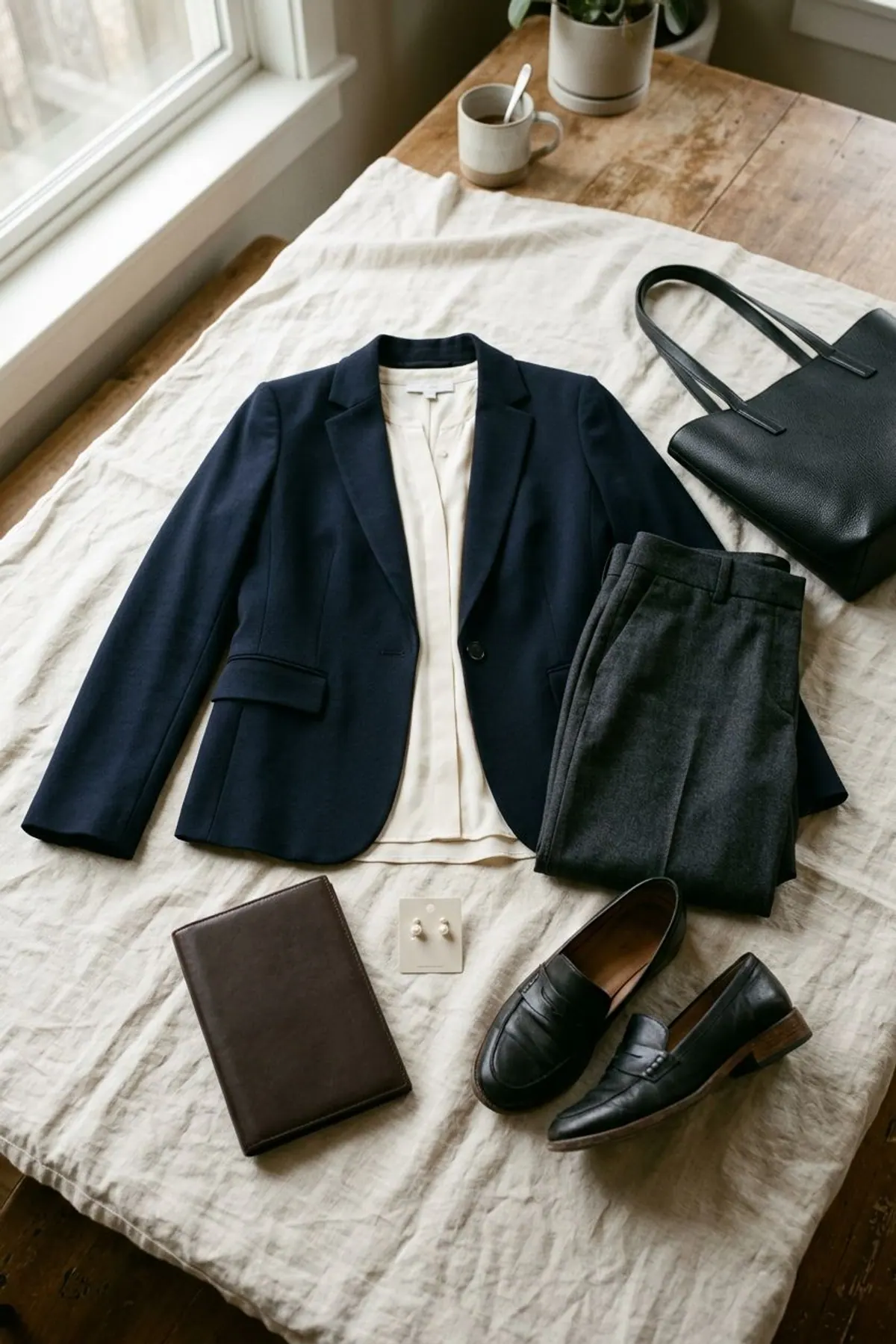
Traditional workplaces notice polish. A navy or charcoal blazer, a plain blouse and tailored trousers or a knee-length skirt make a safe, current look. Keep jewelry small and keep your hemline and trouser length neat, because those details are what interviewers see when you sit down.
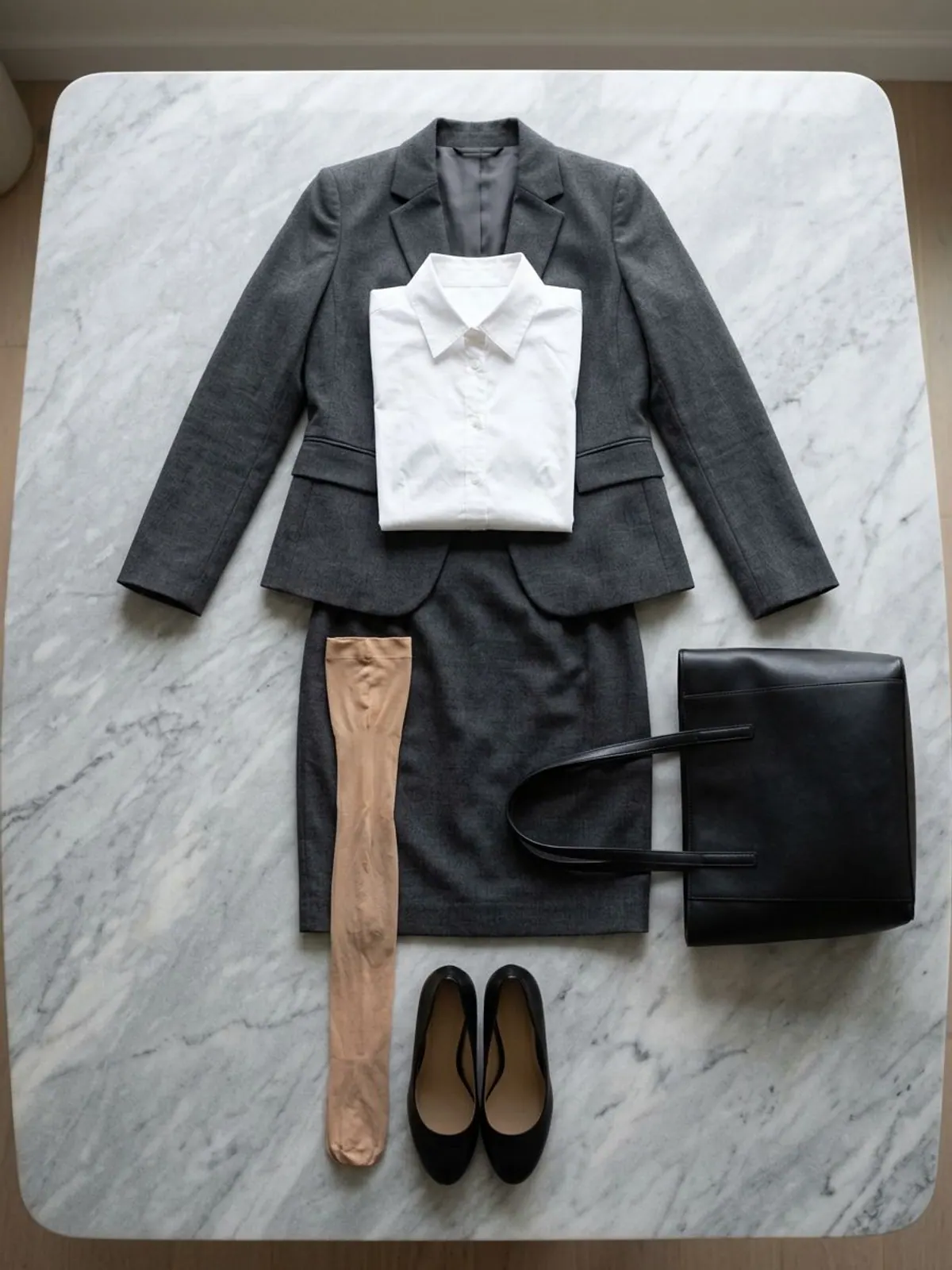
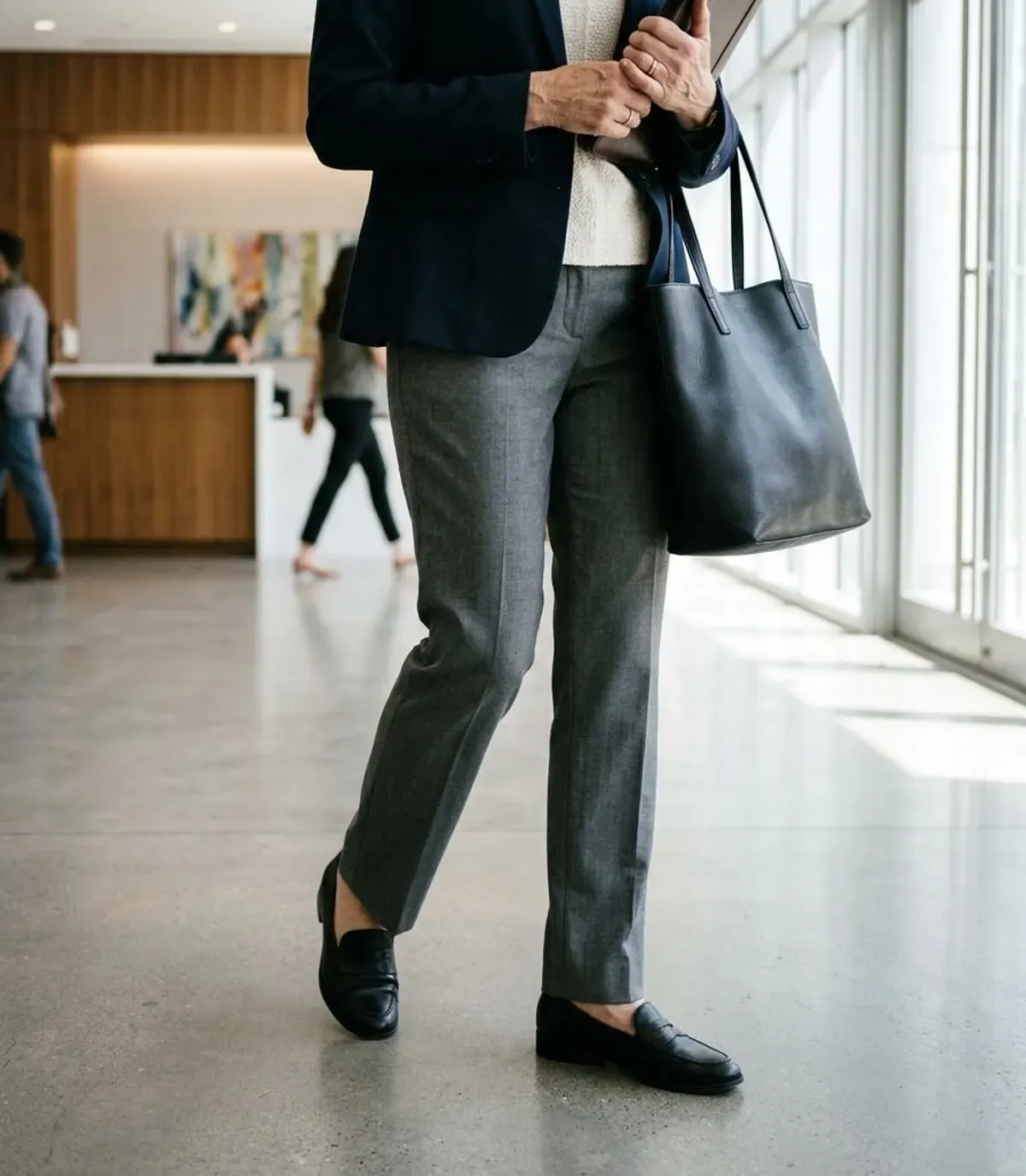
Our guide to blazer outfits shows how to choose a cut that suits your shoulders, and the business casual rules explain how dress codes compare.
Creative and Tech: Relaxed Shapes and One Statement Piece
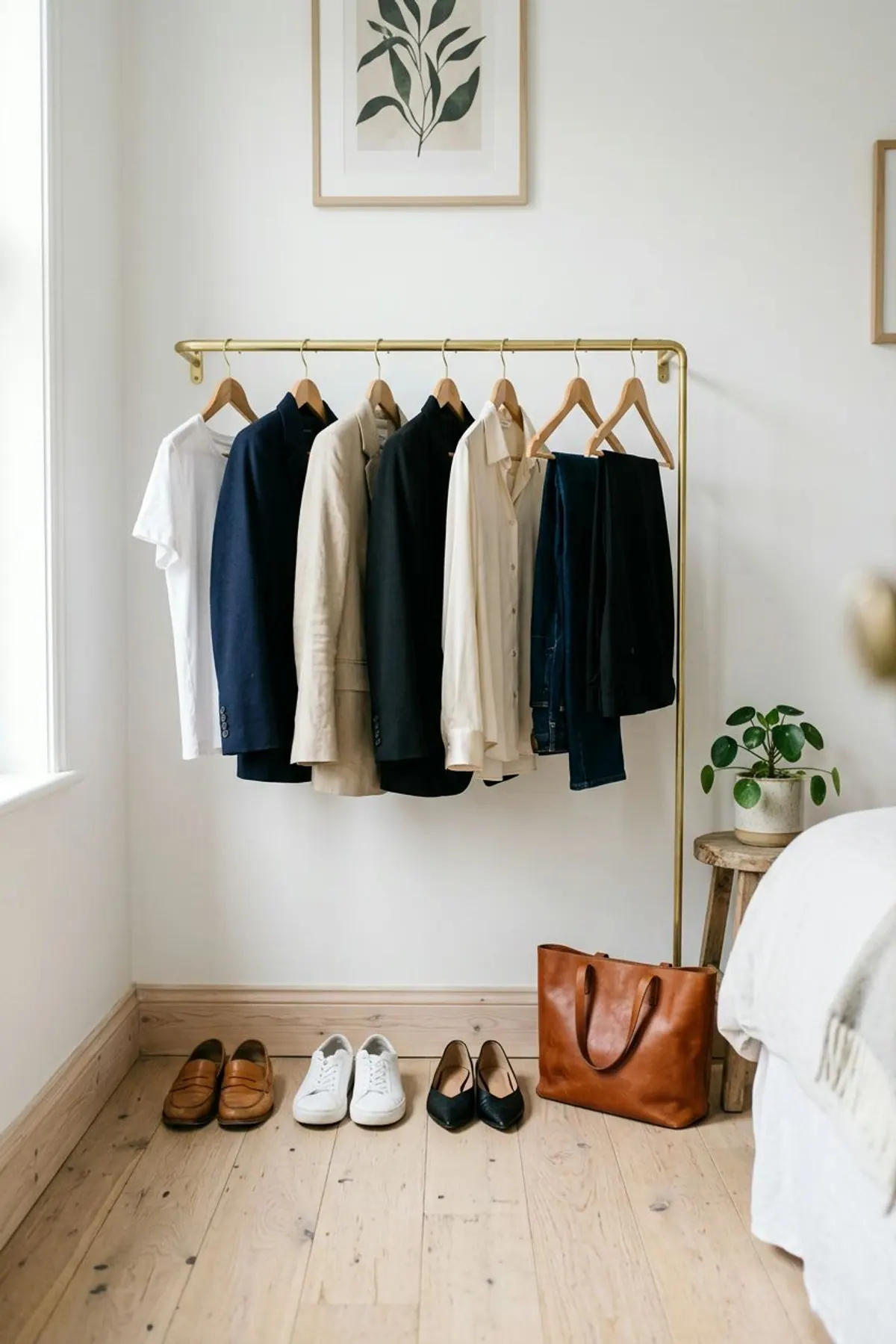
Creative workplaces look for personality, but a polished version of it. Choose a relaxed blazer over a fine knit, wide-leg or straight trousers and leather loafers, then add one statement piece, such as a brass necklace, a bold scarf or distinctive glasses. One is enough.
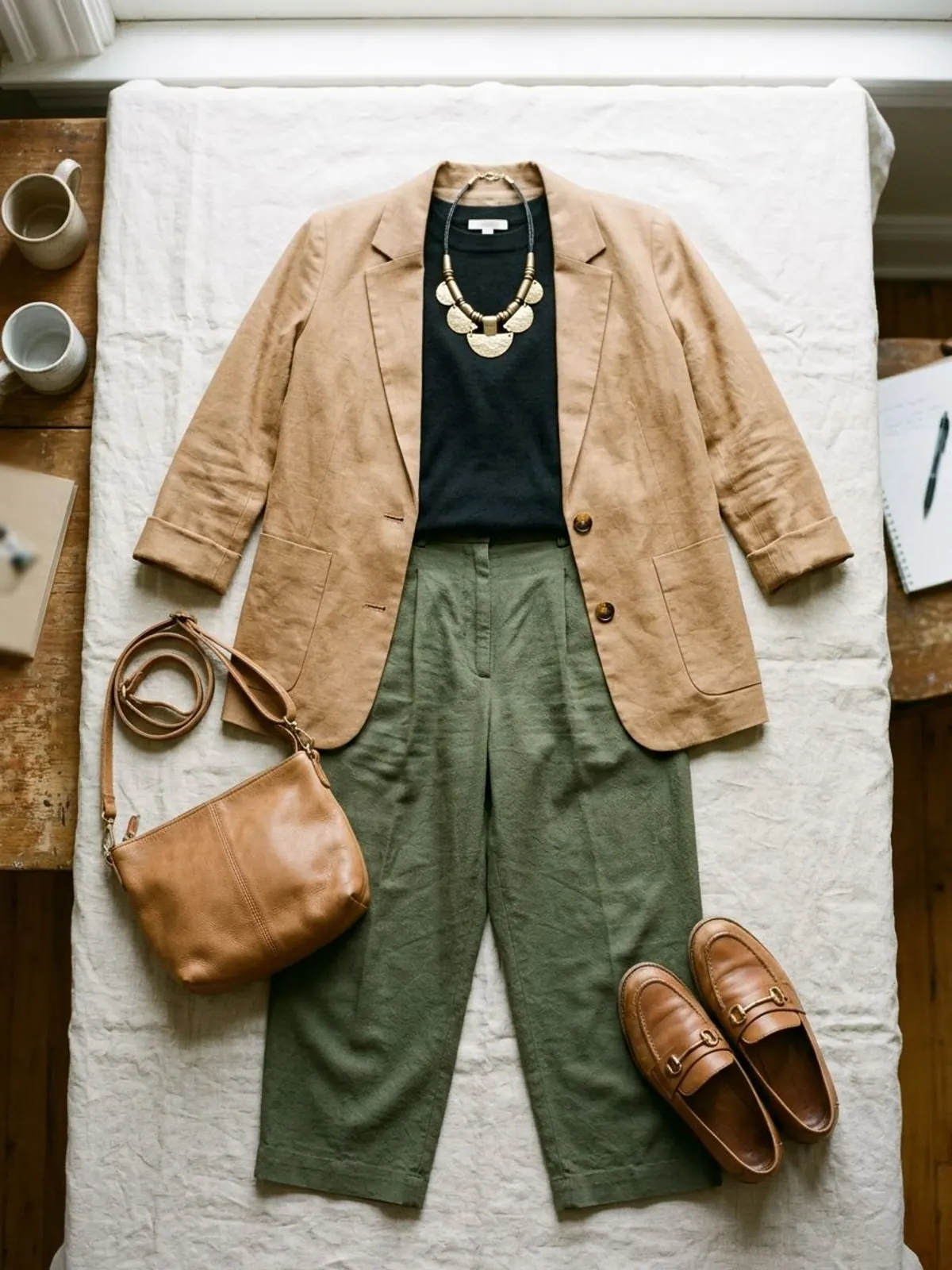
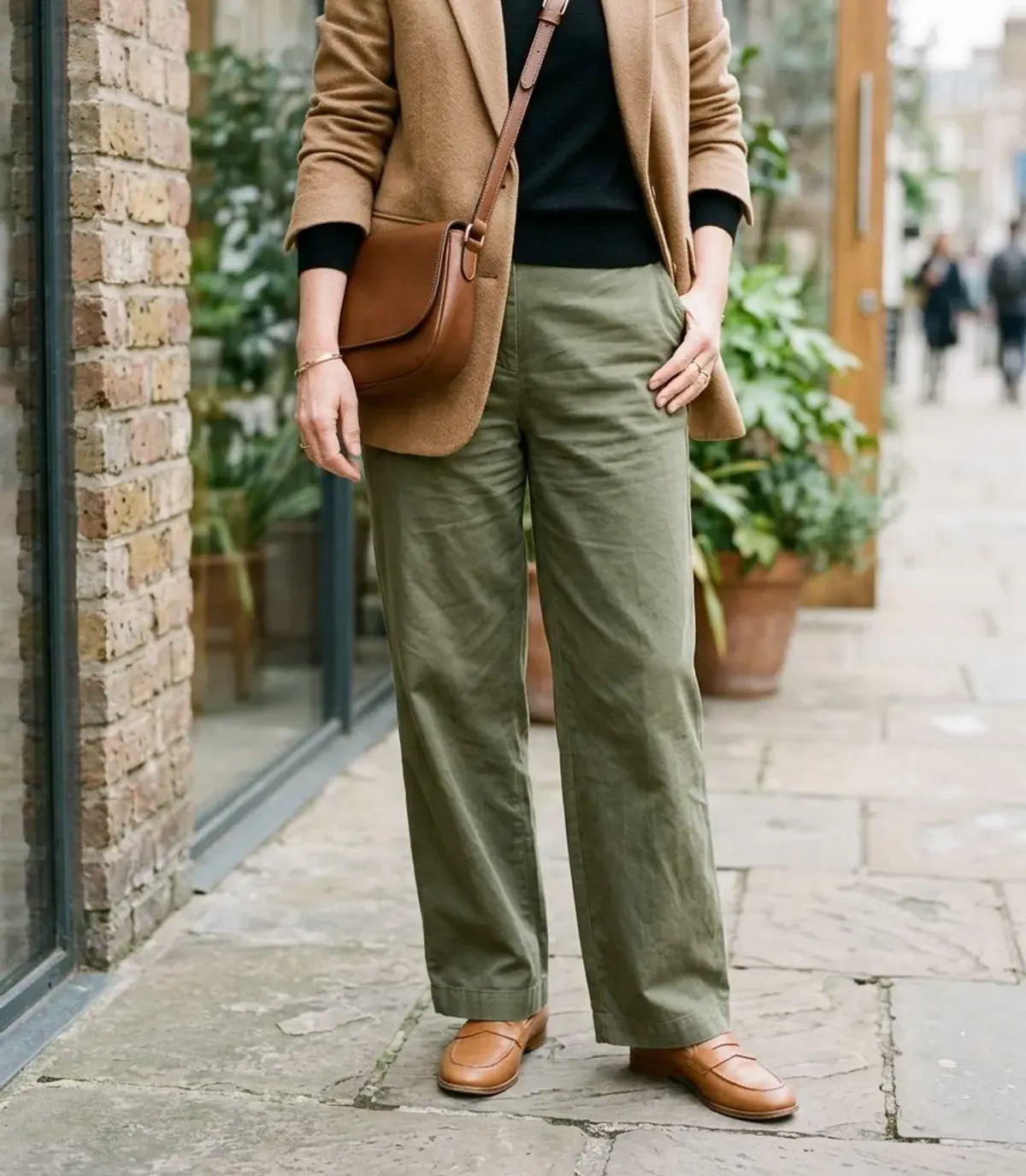
Loafers do a lot of work here. Our loafer outfit guide shows how to wear them with trousers and skirts.
If you are unsure how dressy the team is, look at the company website and social pages. Staff photos show what people wear day to day, and you can dress one step above that.
Casual and Service Workplaces: Neat, Clean and Comfortable
In retail, hospitality, schools and care settings, you may be on your feet for the whole interview or asked to walk the floor. Wear dark jeans with no rips or chinos, a plain top, a long cardigan or neat jacket and clean leather sneakers or flats. Neat and clean matter more than formal.
If you also need a few dressier pieces for the job itself, the 30 days, 15 pieces work wardrobe shows how to build a small set that mixes.
Pants, Skirt or Dress? Is a Suit Required?
A matching suit is not required for most interviews. It is the safest choice in conservative fields such as law, finance and government, and a blazer with separate trousers is fine almost everywhere else. Pants, a knee-length skirt and a dress are all acceptable, so choose the one you are most comfortable sitting in.
A sheath dress with a blazer works well when you want one simple piece, and ankle-length or full-length trousers look current when they are tailored to your shoes. Our ponte pants guide helps if you want a comfortable pair that still looks tailored.
A Winter Interview Day Plan
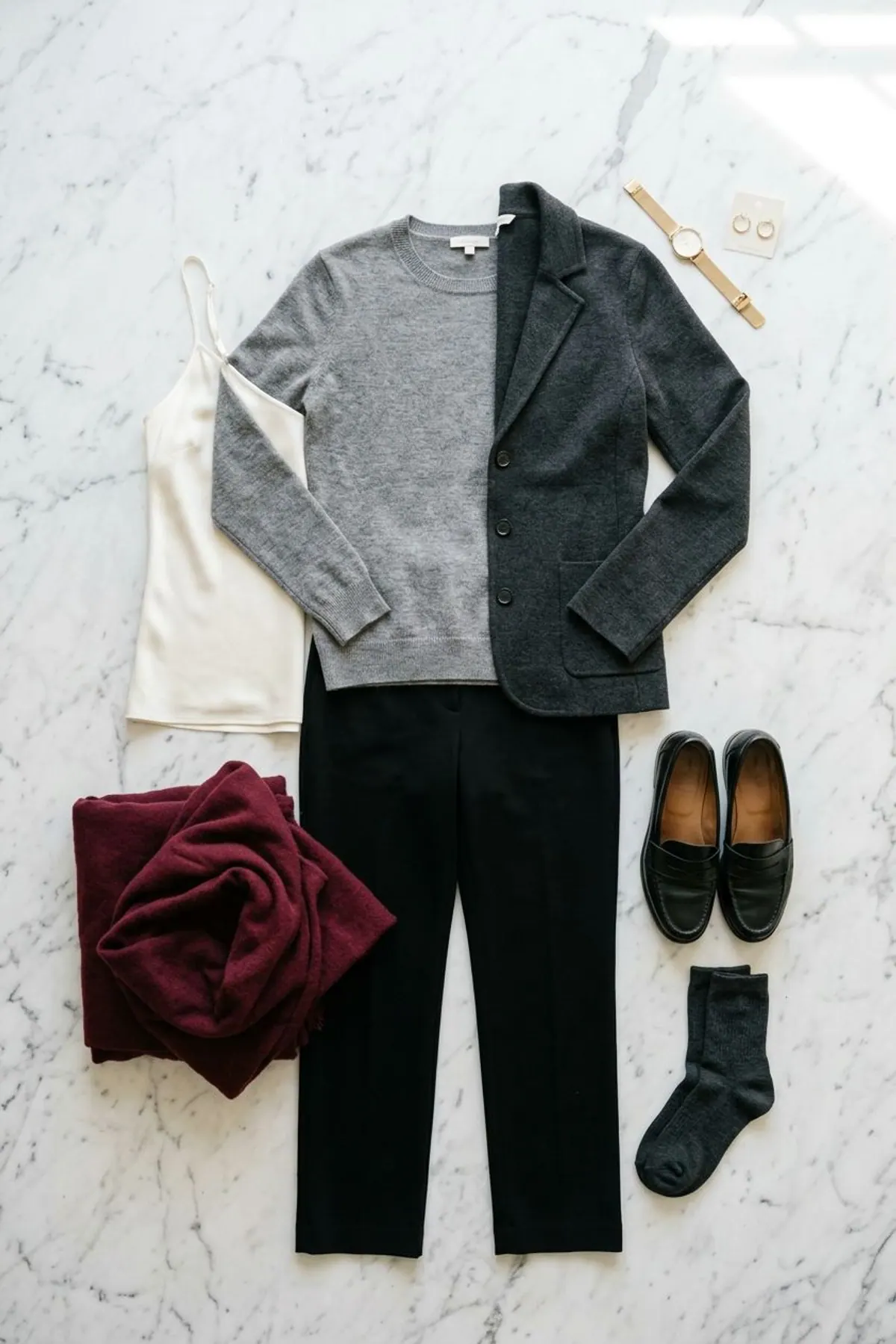
A winter interview adds a coat, wet shoes and the risk of arriving flustered. Wear a coat that looks neat when you take it off, a plain scarf and waterproof ankle boots, and carry your loafers or pumps in a cloth shoe bag. Change in the lobby or the restroom, then hang up your coat on arrival if there is a rack.
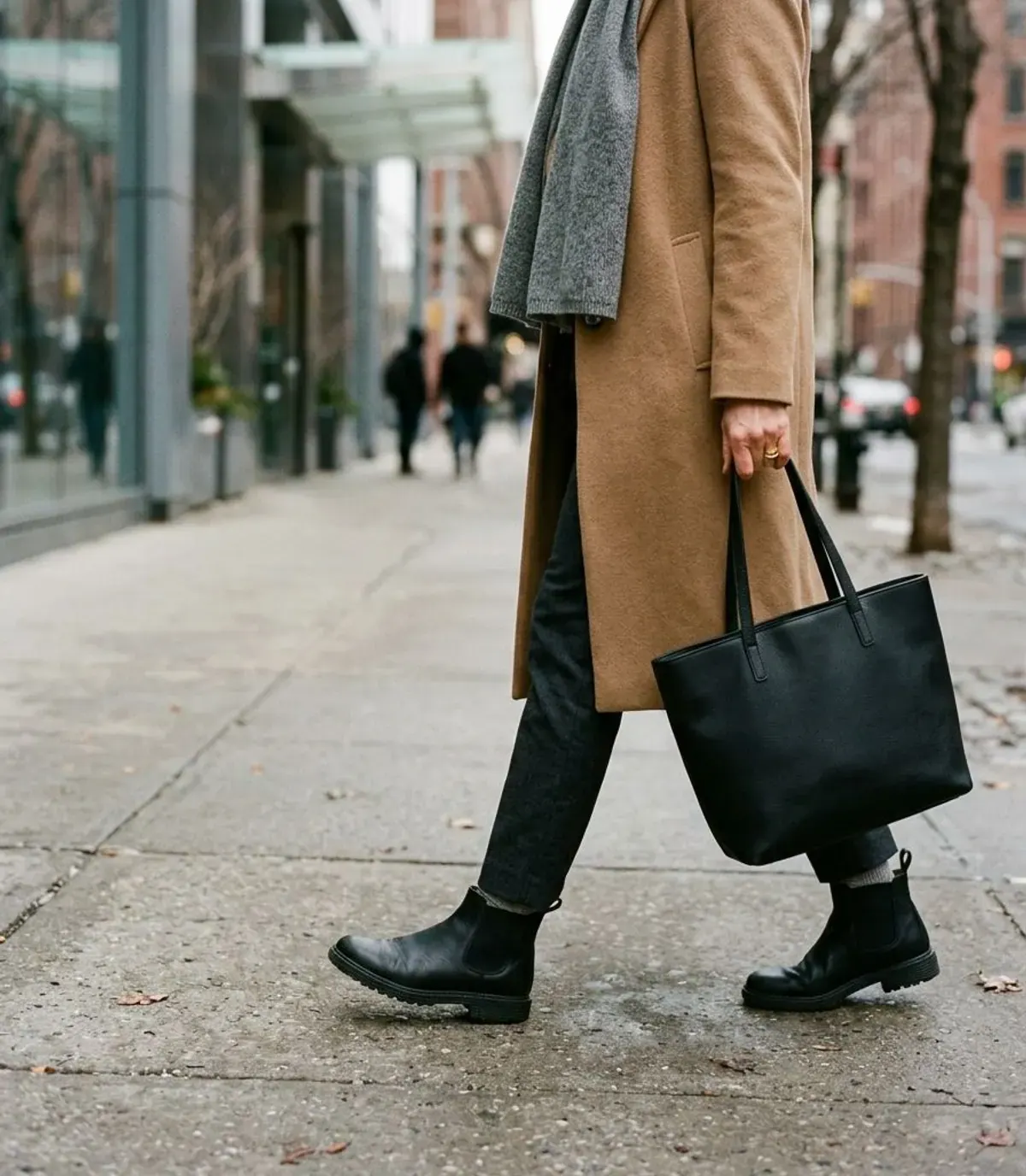
Choosing the coat is covered in our winter coat guide, and the winter office outfits guide has formulas for the days after you get the job.
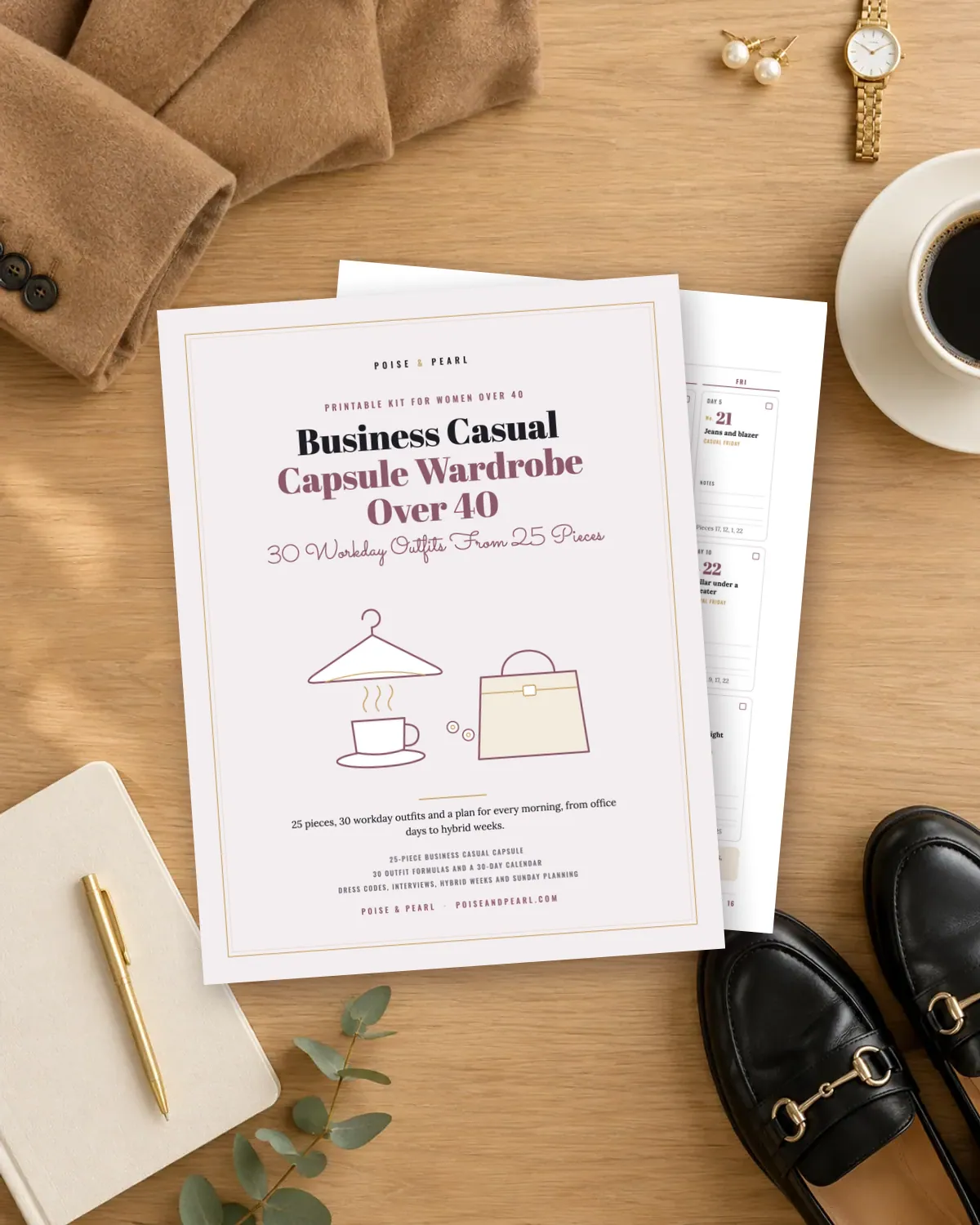
The week before an interview, a written plan saves the most stress. The Work Wardrobe Kit ($9) has a page on what to wear to an interview over 40, with week-before and morning-of checklists, plus a dress code decoder and 30 outfit formulas for when you start, so your interview outfit and your first month are planned together.
Video Interview: Dress From the Top Down
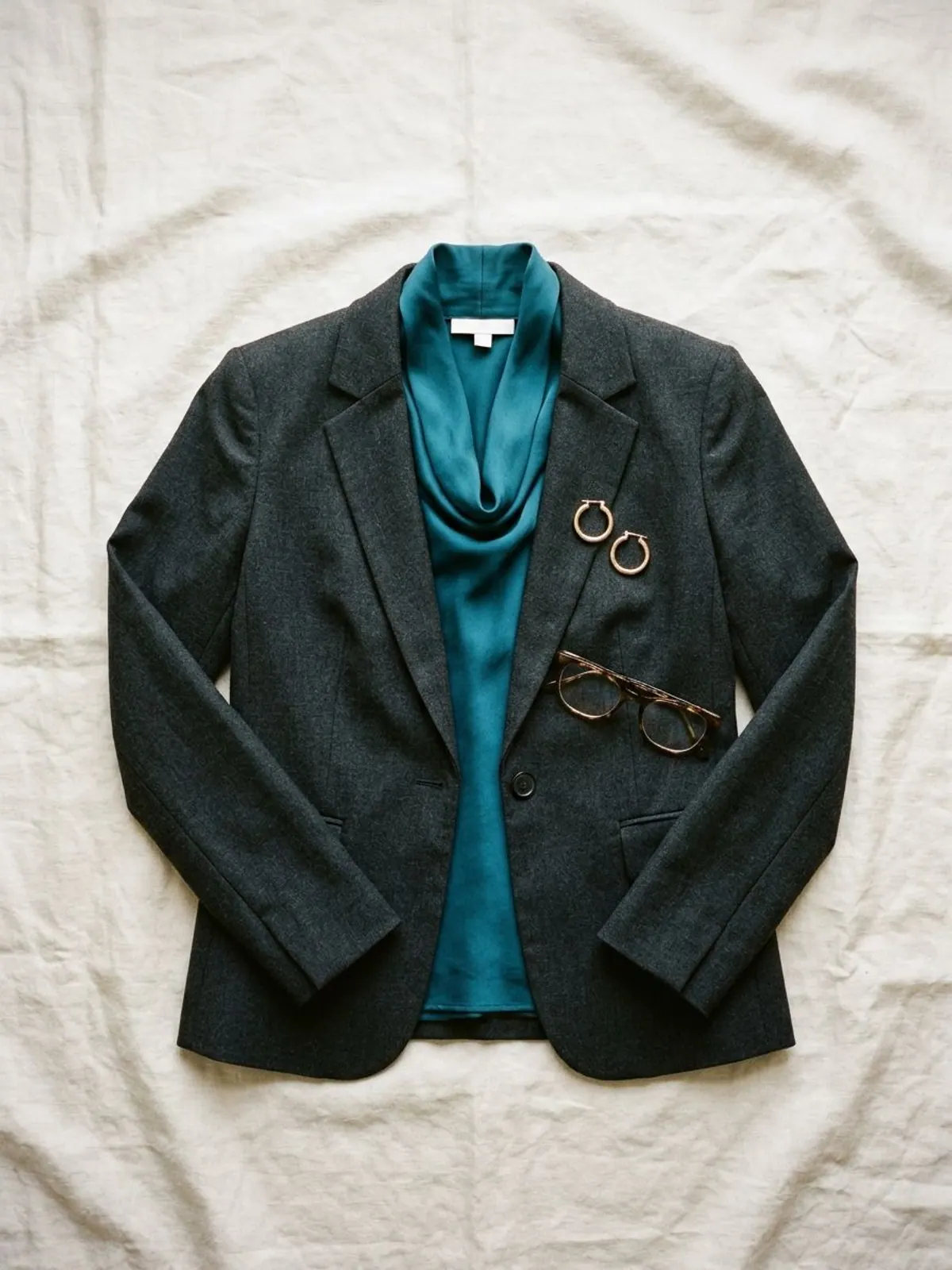
On camera, the interviewer sees your top half, so spend your effort there. Wear a solid mid-tone or jewel-toned blouse under a blazer, avoid busy patterns that can shimmer on screen, and choose earrings that do not swing. Wear full interview trousers or a skirt anyway. You will stand up if the call goes long, and dressing fully helps you feel the part.
Shoes and the Interview Bag
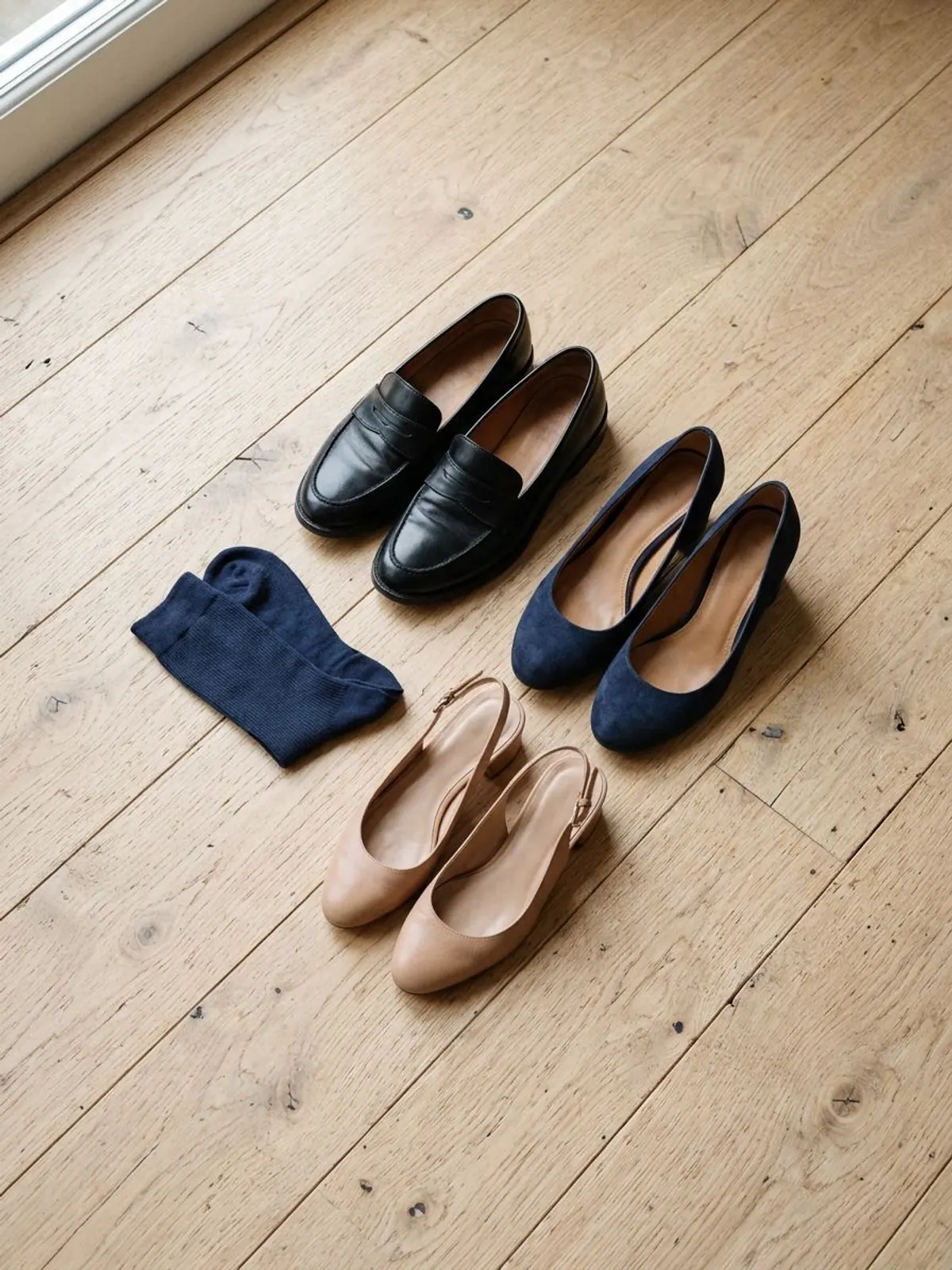
Choose shoes with a low heel or a cushioned flat, polished and without scuffs. Your bag should be structured enough to stand up on the floor beside your chair and big enough for a folder.
Morning-of checklist
Shop the interview basics
- Top pick
Tailored blazer in navy or charcoal
Typically $40 to $150
The single most useful piece. Look for a lining and a seam that sits at your shoulder.
Check price on Amazon for Tailored blazer in navy or charcoal -
Straight-leg trousers with stretch
Typically $25 to $80
Comfortable to sit in, and they look tailored with loafers or low heels.
Check price on Amazon for Straight-leg trousers with stretch -
Silk-blend or crepe blouse
Typically $20 to $70
A solid color under a blazer. Check the care label, since wrinkles show.
Check price on Amazon for Silk-blend or crepe blouse -
Leather loafers with a cushioned insole
Typically $40 to $120
Polished and comfortable for a long day. Break them in first.
Check price on Amazon for Leather loafers with a cushioned insole -
Structured tote that holds a folder
Typically $30 to $90
Stands up beside your chair and fits a folder.
Check price on Amazon for Structured tote that holds a folder -
Slim leather folder or portfolio
Typically $15 to $40
Holds your printed resumes neatly.
Check price on Amazon for Slim leather folder or portfolio -
Small pearl or metal stud earrings
Typically $8 to $30
Quiet jewelry that does not swing on camera.
Check price on Amazon for Small pearl or metal stud earrings
Prices are typical ranges for these product types in November 2026 and change often, so check the current price before you buy.
Wear this
- One notch dressier than the staff
- A blazer or jacket that fits through the shoulders
- Closed shoes you have already walked in
- Solid mid-tones or jewel tones
- Small, quiet jewelry
Skip this
- A brand-new outfit you have not sat in
- Shoes that rub or tip you forward
- Busy patterns on a video call
- Strong perfume in a small room
- Dressing younger than you are, or much dressier than the workplace
Some links on this page earn us a small commission, as explained in our affiliate disclosure. It never changes what we recommend, and our editorial guidelines explain how we choose. Dress codes vary by employer, so ask the recruiter if you are unsure.
Frequently asked questions
What should a woman over 50 wear to a job interview?
Dress one notch dressier than the staff: a structured blazer or jacket over a plain top, tailored trousers or a knee-length skirt or dress, and closed shoes you can walk in. Choose solid mid-tone or jewel-tone colors, small jewelry and a neat bag.
Is a suit required for an interview?
No. A matching suit is the safest choice in conservative fields such as law, finance and government. In most other workplaces, a blazer with separate trousers or a skirt looks professional.
Should I wear a skirt or pants to an interview?
Either works. Choose the one you are most comfortable sitting in. Pants should be tailored and the right length for your shoes, and a skirt should sit at or below the knee when you sit down.
What should I wear to a winter interview?
Wear a neat coat you can take off easily, waterproof boots to the building and carry your interview shoes in a cloth bag. Change shoes in the lobby, and keep a compact umbrella in your tote.
What colors are best for an interview?
Solid mid-tones such as navy, charcoal, camel, olive and deep teal look current and polished. Wear a lighter top under a darker blazer, and avoid busy patterns on a video call.
Save it for later
Pin this to your Work Outfits board so it's there when you need it.
Save to Pinterest