This post contains affiliate links. As an Amazon Associate we earn from qualifying purchases, at no extra cost to you. Read our disclosure.
Key takeaways
- A block heel of about 2 inches is the safest all-round choice for a long wedding day.
- Pick the shoe by the ground: wedge or flat on grass and gravel, heel on carpet and polished floors.
- Judge each pair for standing, photos, sitting and dancing, not for five minutes in the shop.
- Break the shoes in over seven days, and pack flats and a comfort kit as back-up.
- Skip stilettos, stiff platforms, narrow pointed toes and new shoes worn for the first time on the day.
In this post11 sections
- Which Heel Is Most Comfortable for a Six-Hour Day
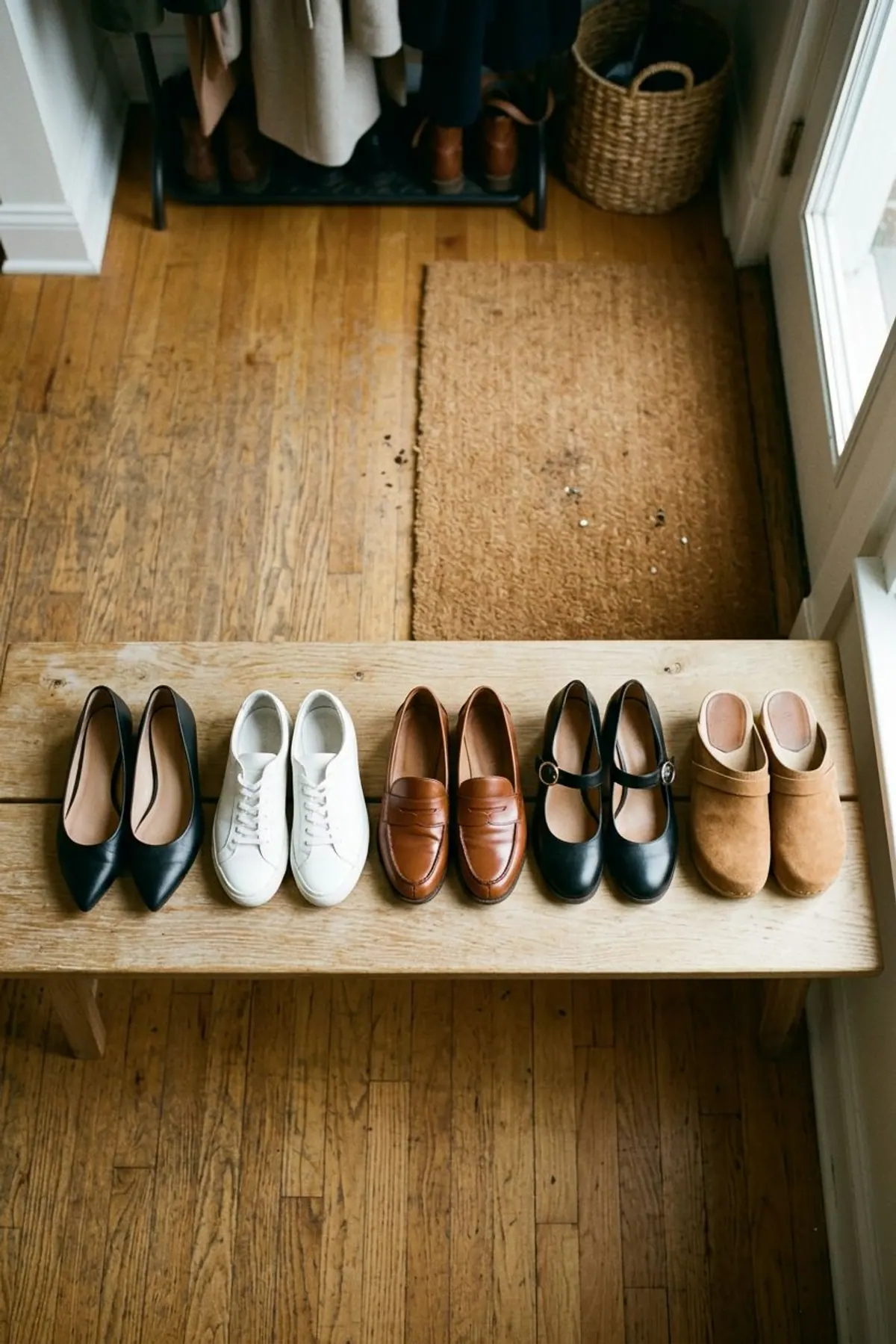
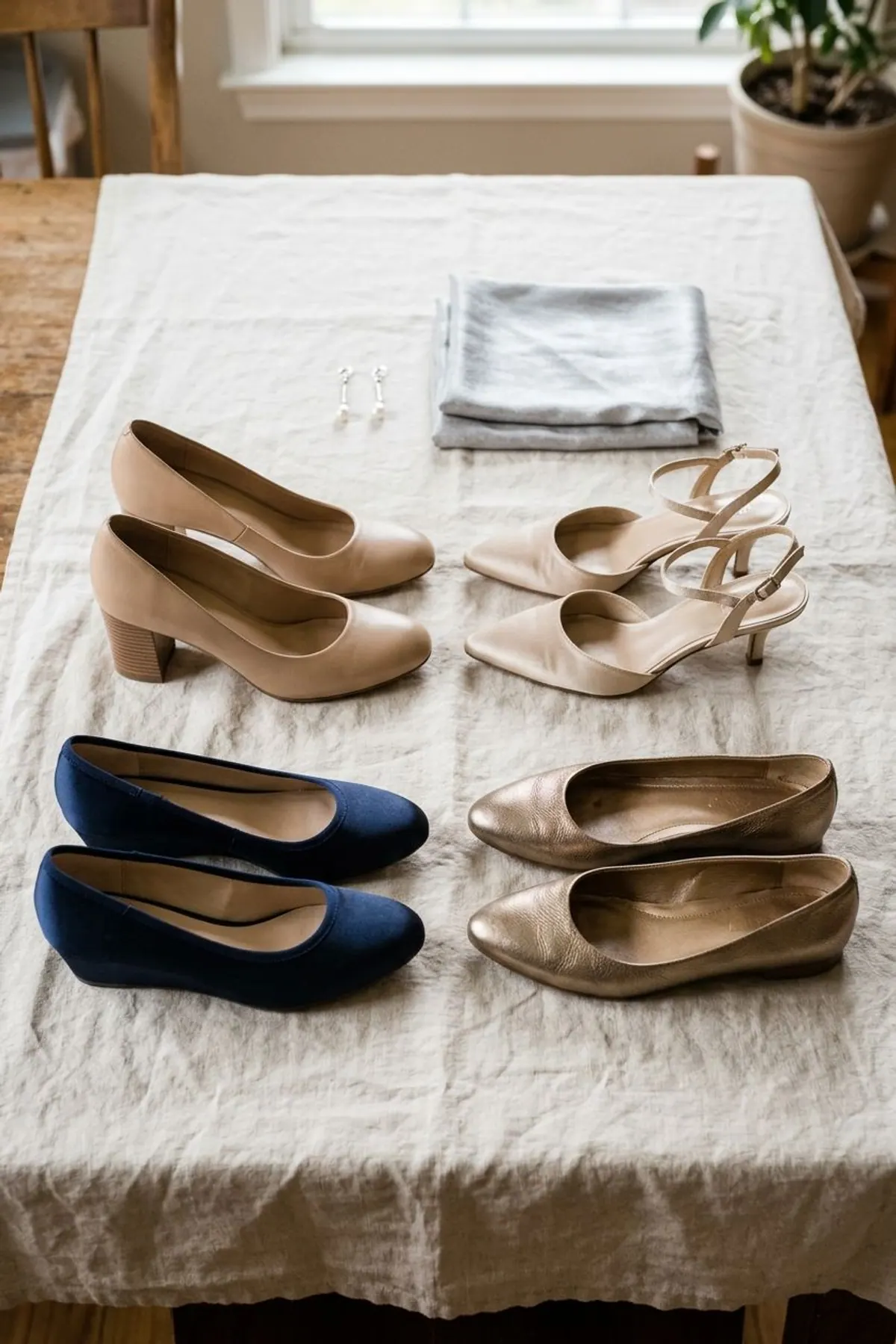
- Block Heel, Kitten Heel, Wedge or Flat: The Four Shoe Types Compared
- 1. Block Heel Pumps: The Safest Default
- 2. Kitten Heel Slingbacks: Light and Dressy
- 3. Closed-Toe Wedges: Best on Grass and Gravel
- 4. Dressy Flats: The Dancing Shoe and the Back-Up Pair
- Match the Shoe to the Venue and the Dress
- Fit Details That Decide Whether You Can Wear Them All Day
- The 7-Day Break-In Plan
- Shoes to Skip for a Mother of the Bride
- FAQ
Some links on this page earn us a small commission, as explained in our affiliate disclosure. We have not tested these shoes ourselves; picks are based on product details, shapes and what buyers commonly report, and prices are typical ranges that change often.
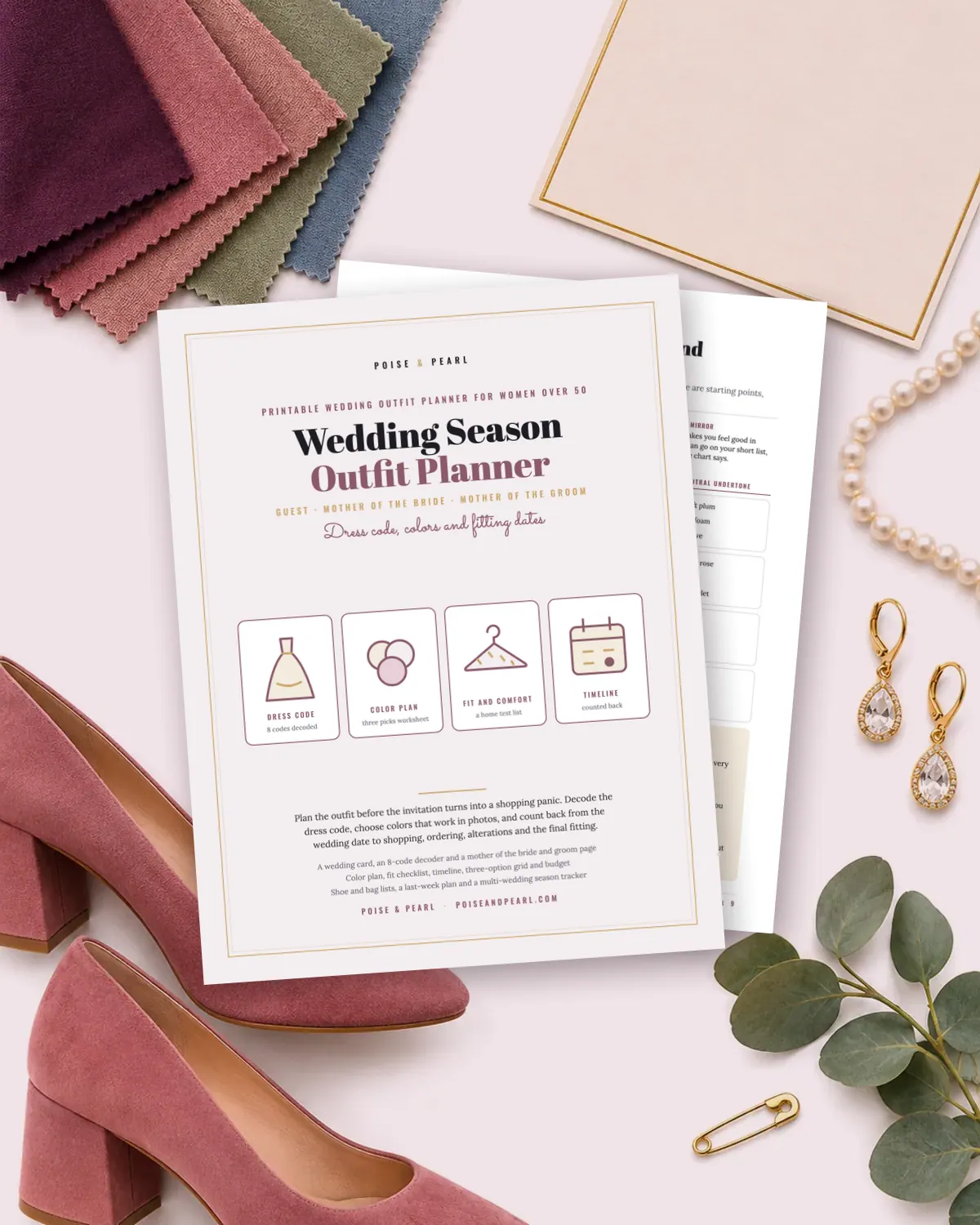
If you would rather not guess the week before, the Wedding Season Outfit Planner ($7) has a shoe and accessory planner, a day-of bag list and a last-seven-days checklist, so your shoes are chosen, broken in and packed with the rest of the outfit.
| Shoe | Best for | Watch out for |
|---|---|---|
| Block heel pump, about 2 inches | Church floors, a long ceremony and a dance floor; the all-round pick | A pointed toe that pinches; check the width at the ball of the foot |
| Kitten heel slingback, about 1.5 inches | Indoor receptions, formal dresses and women who want a little lift | A thin heel tip on stone, wood slats or a lawn; a slingback strap that slips |
| Closed-toe wedge | Outdoor weddings, lawns, decks and gravel paths | A heavy sole that tires the legs; a platform that is too stiff to bend |
| Dressy flat | Dancing, long walks between venues and a swap pair for the evening | A thin sole with no cushioning; a loose back that slides at the heel |
Which Heel Is Most Comfortable for a Six-Hour Day
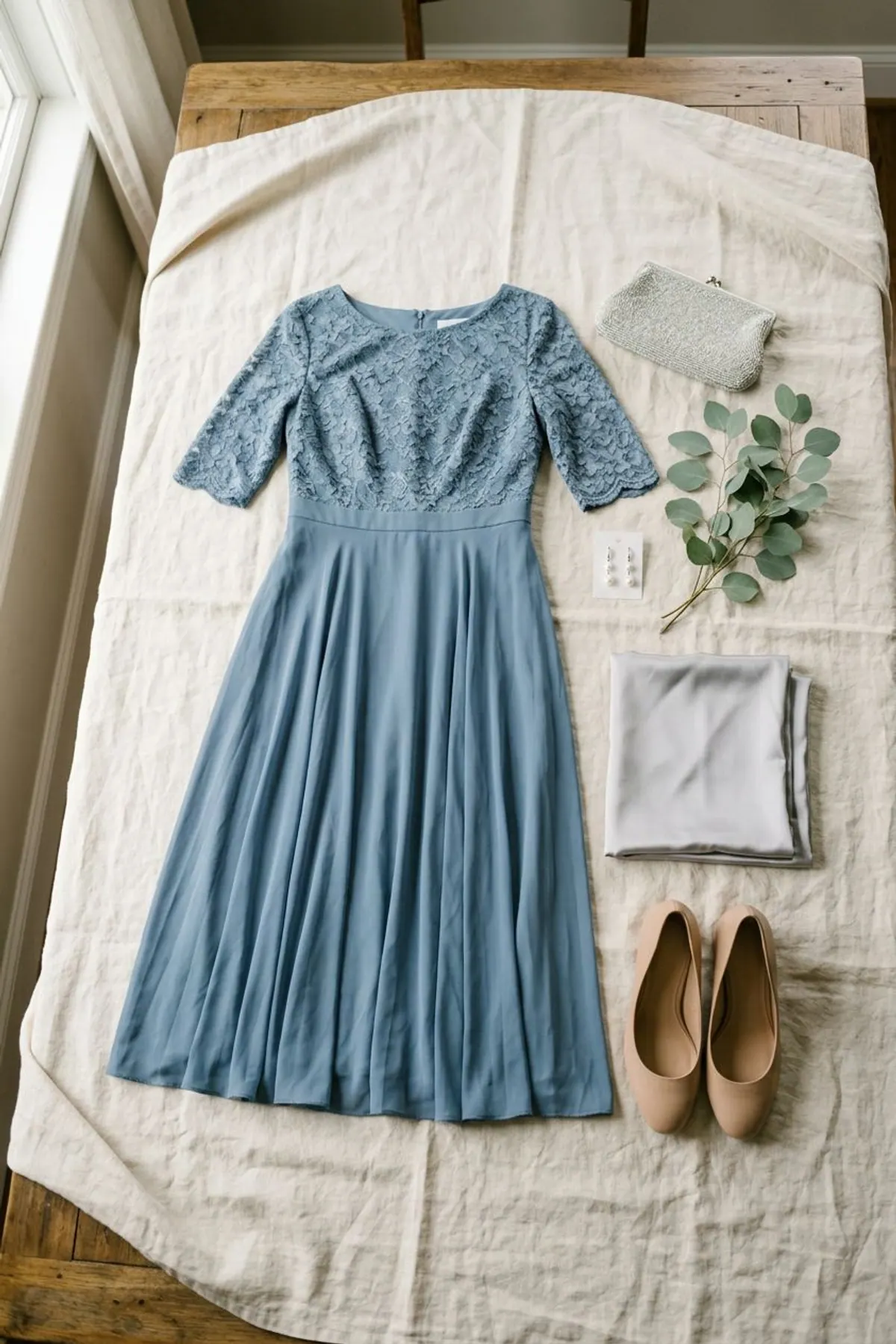
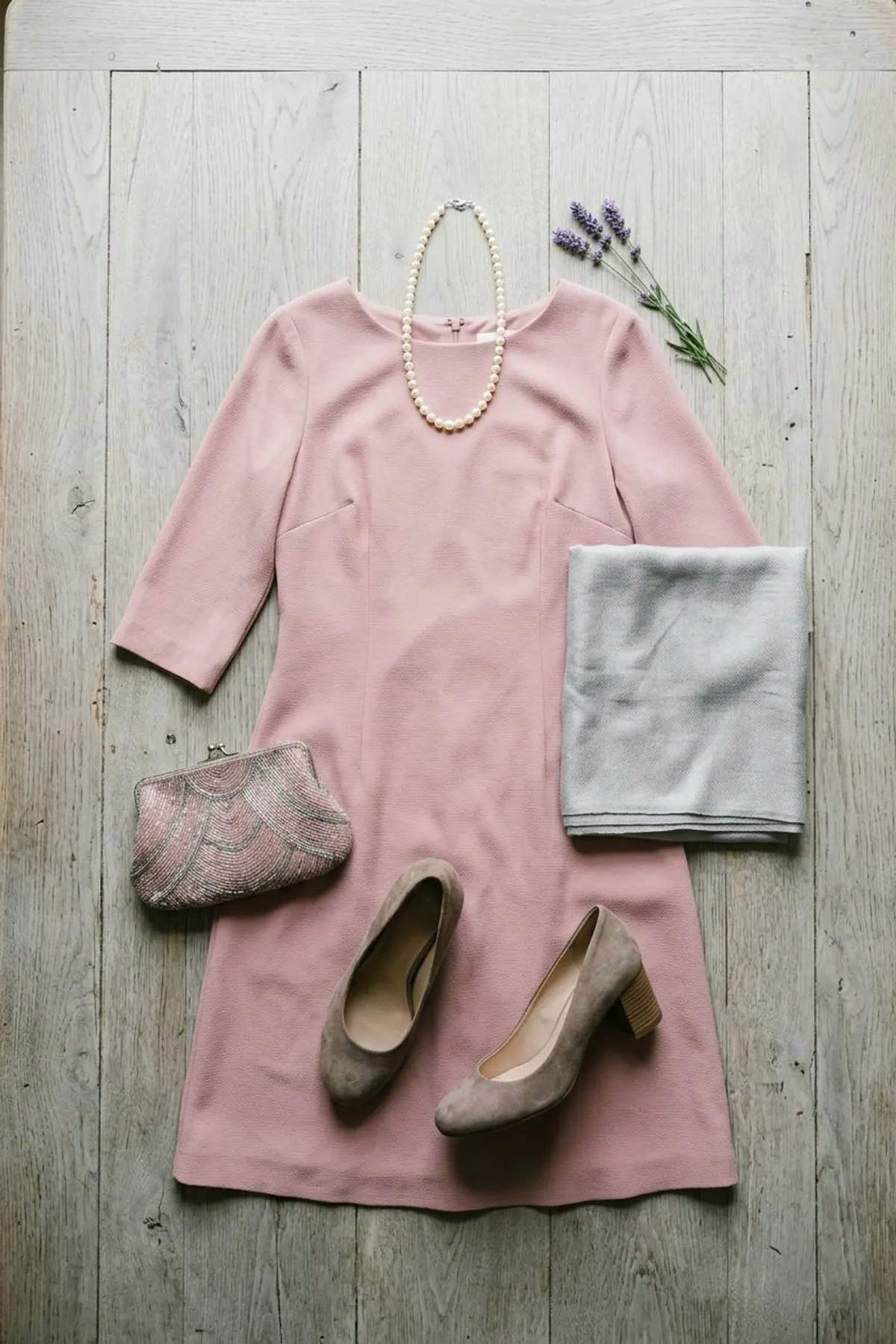
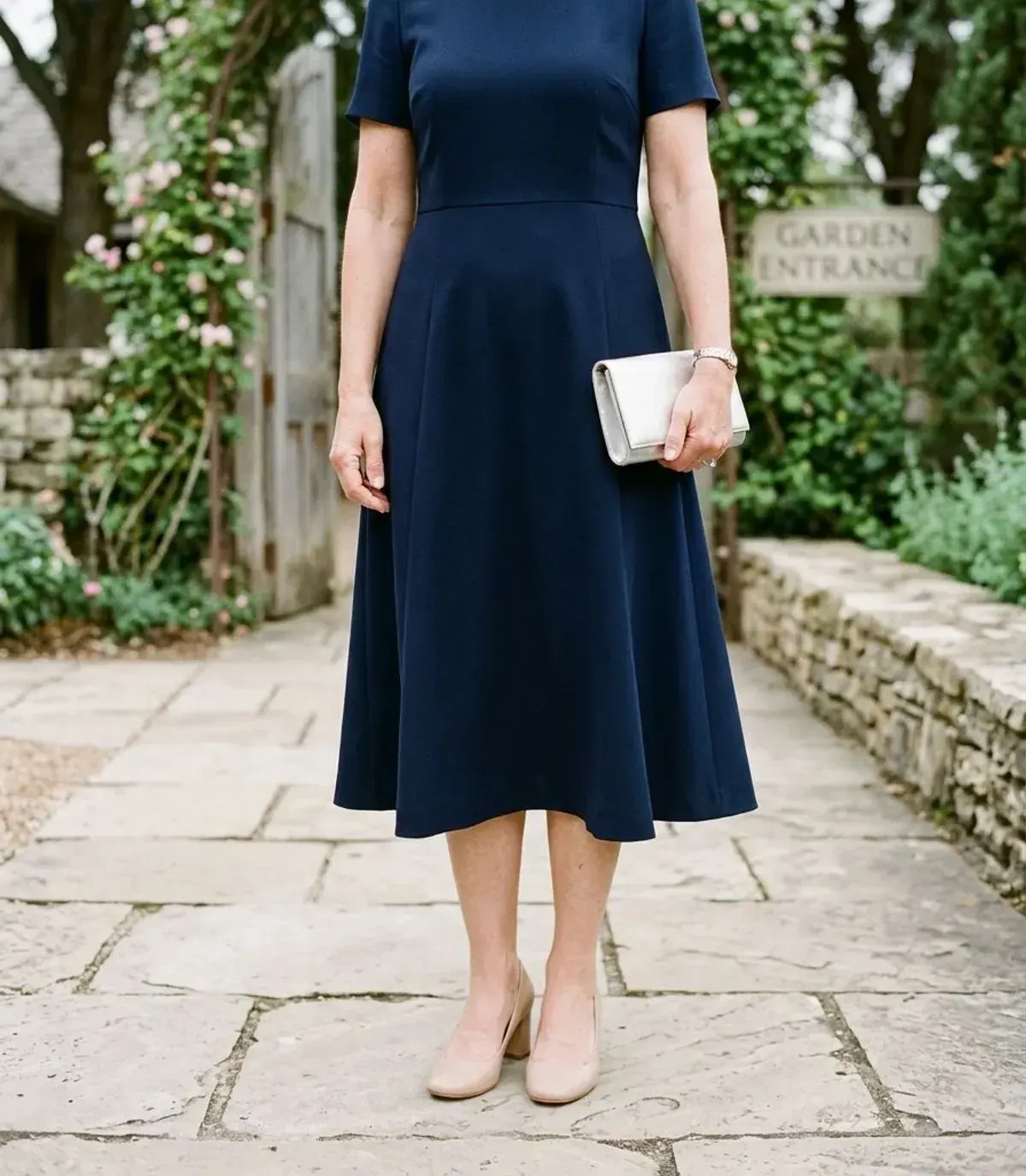
The most comfortable shoe for most mothers of the bride is a block heel of about 2 inches in a closed or ankle-strap style. The wide heel gives you a stable base, the weight spreads over more of the foot than it does in a stiletto, and the style looks dressy enough for every dress code. Choose a wedge if the ground is grass, and a flat if dancing is the plan.
A wedding day is not one activity. You stand for the ceremony, stand again for photos, sit through dinner and speeches, then walk and dance. Judge each shoe against all four, not against how it feels for five minutes in the shop.
The four-part comfort check
Block Heel, Kitten Heel, Wedge or Flat: The Four Shoe Types Compared
Each shoe below gets the same four questions: where it works, what it does for your feet, what to check and what to skip.
1Block Heel Pumps: The Safest Default
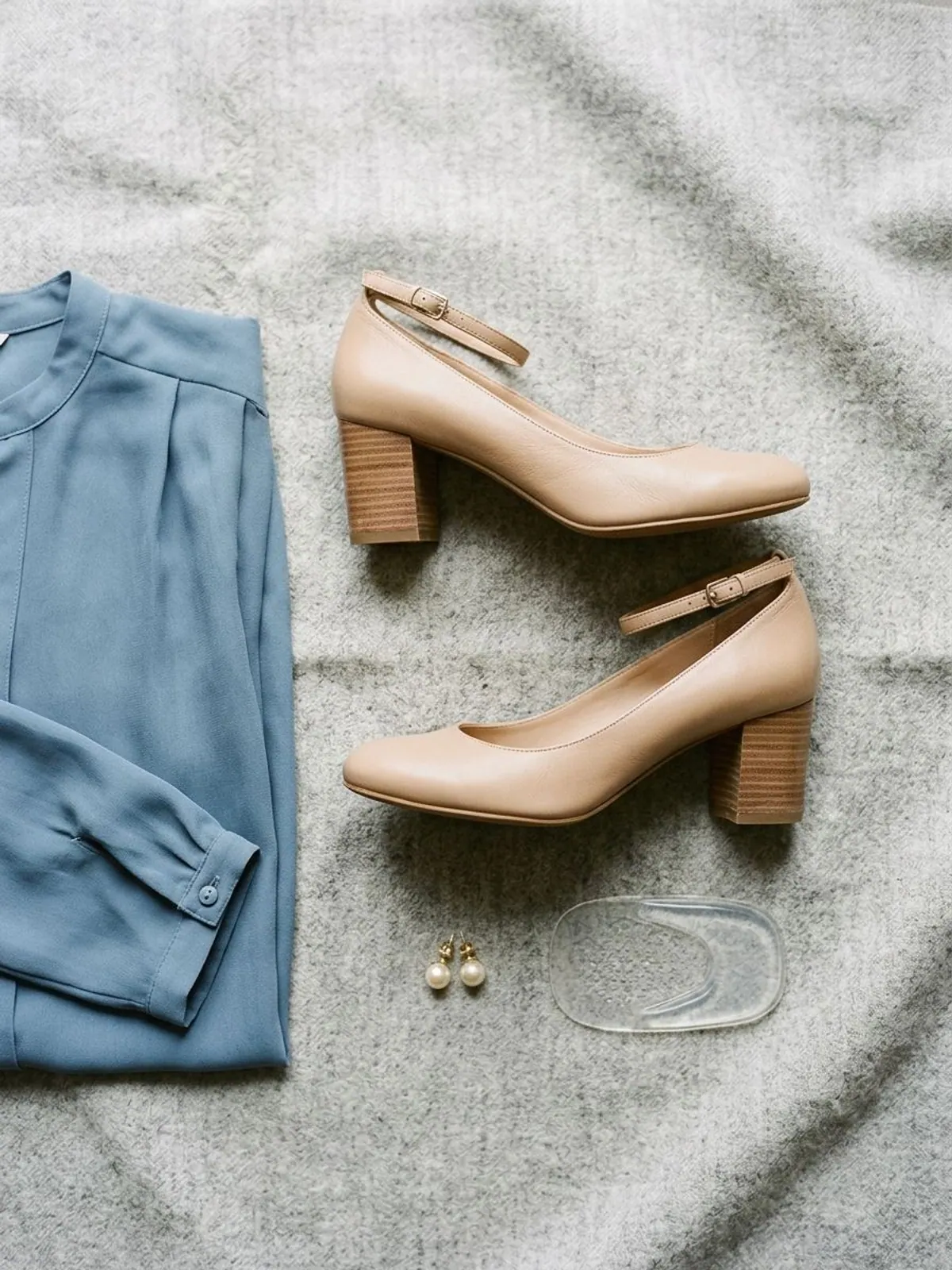
Best for: a ceremony, a long reception and most dress codes.
Why it works: the wide heel is steady on carpet, church floors and a polished dance floor, and a rounded or almond toe gives your toes room.
Watch out for: a pointed toe box, a stiff heel counter that rubs and a heel higher than you can stand in for an hour.
- Pick an ankle strap or a closed heel. A pump with nothing at the back often slides when you dance.
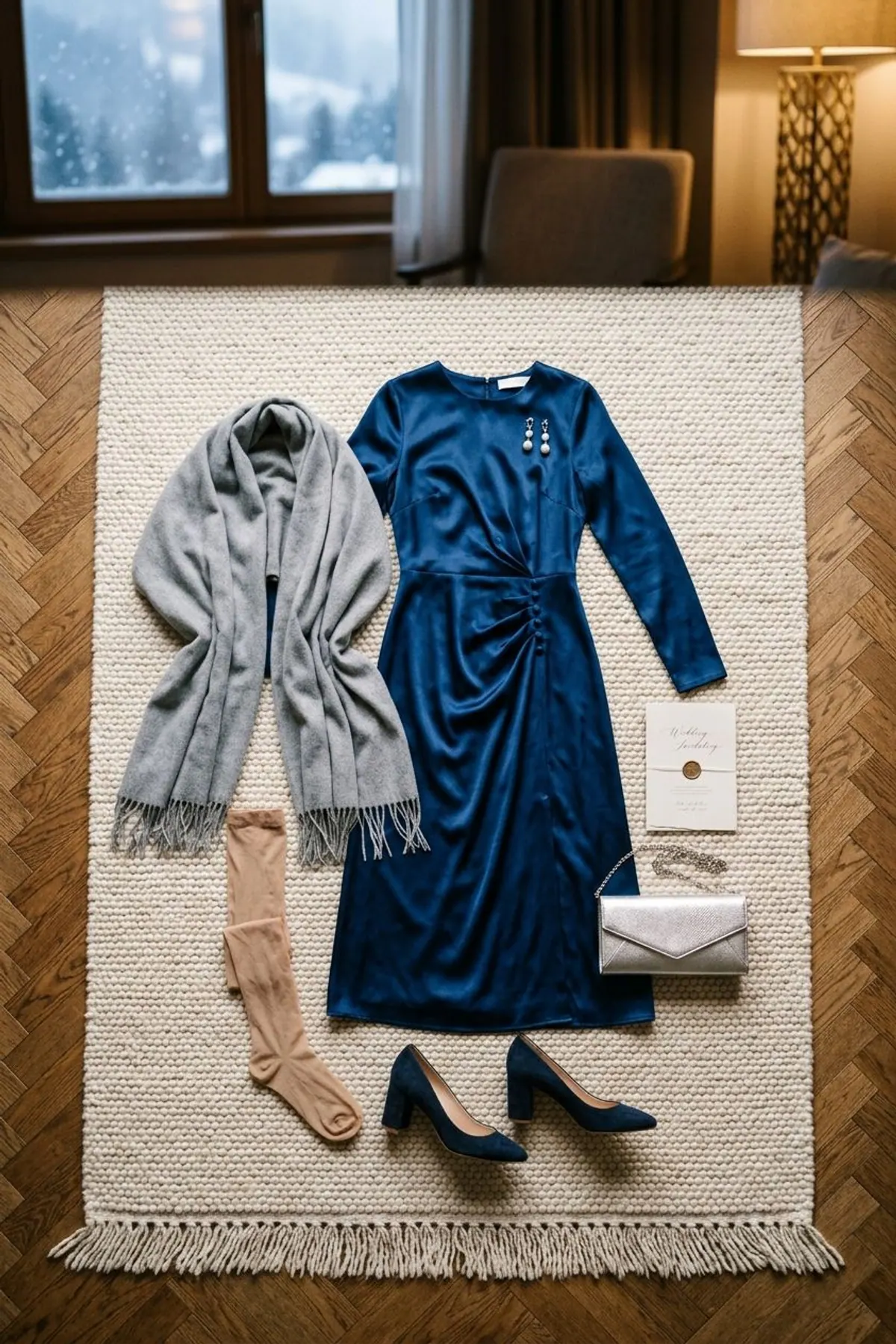
Look for a heel of about 2 inches, a cushioned insole and a rounded toe. A nude or navy pair goes with most dresses.
2Kitten Heel Slingbacks: Light and Dressy
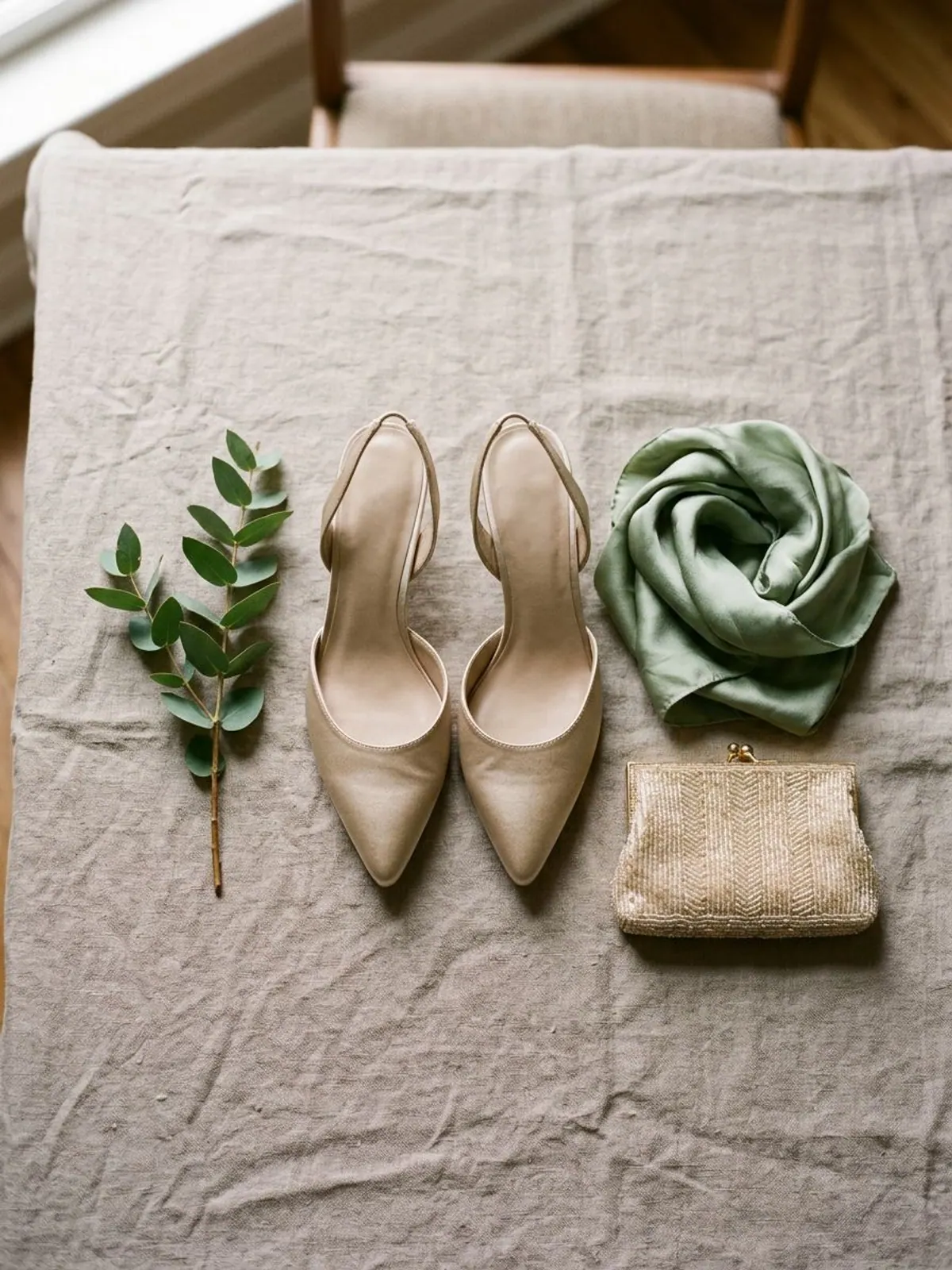
Best for: an indoor reception, a floor-length dress and a lighter step than a block heel.
Why it works: a low heel of about 1.5 inches lifts the leg a little without tipping you forward, and a pointed or almond toe looks formal.
Watch out for: a thin heel tip on grass, stone or wood slats, a slingback strap that slides off the heel and a very narrow toe.
- Press the strap before you buy. If it moves when you walk in the shop, it will move on the dance floor.
An elastic or adjustable strap holds the heel in place. A padded footbed matters more than the finish.
3Closed-Toe Wedges: Best on Grass and Gravel
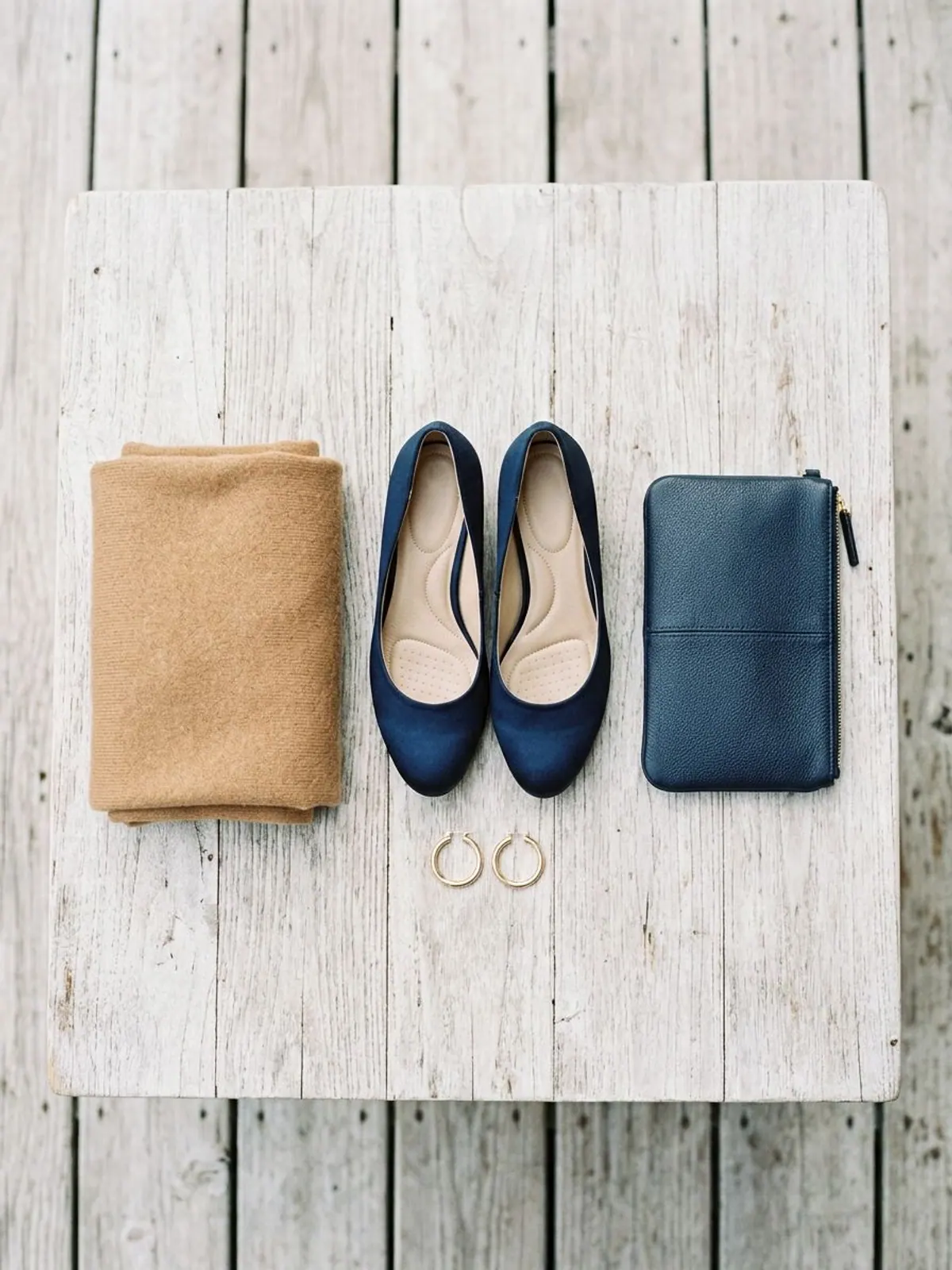
Best for: a garden, a barn, a deck or a lawn ceremony.
Why it works: the wedge spreads your weight over the whole sole, so it does not sink into grass the way a thin heel can, and you keep some height.
Watch out for: a heavy sole that feels like a weight by the second hour, a rigid platform and a wedge so tall that your ankle wobbles.
- Choose a wedge with a flexible forefoot. Bend the shoe: if it will not flex at the ball, your stride will feel stiff.
A lighter sole and a padded insole keep the legs fresher. Closed toes look dressier in photos than open sandals.
4Dressy Flats: The Dancing Shoe and the Back-Up Pair
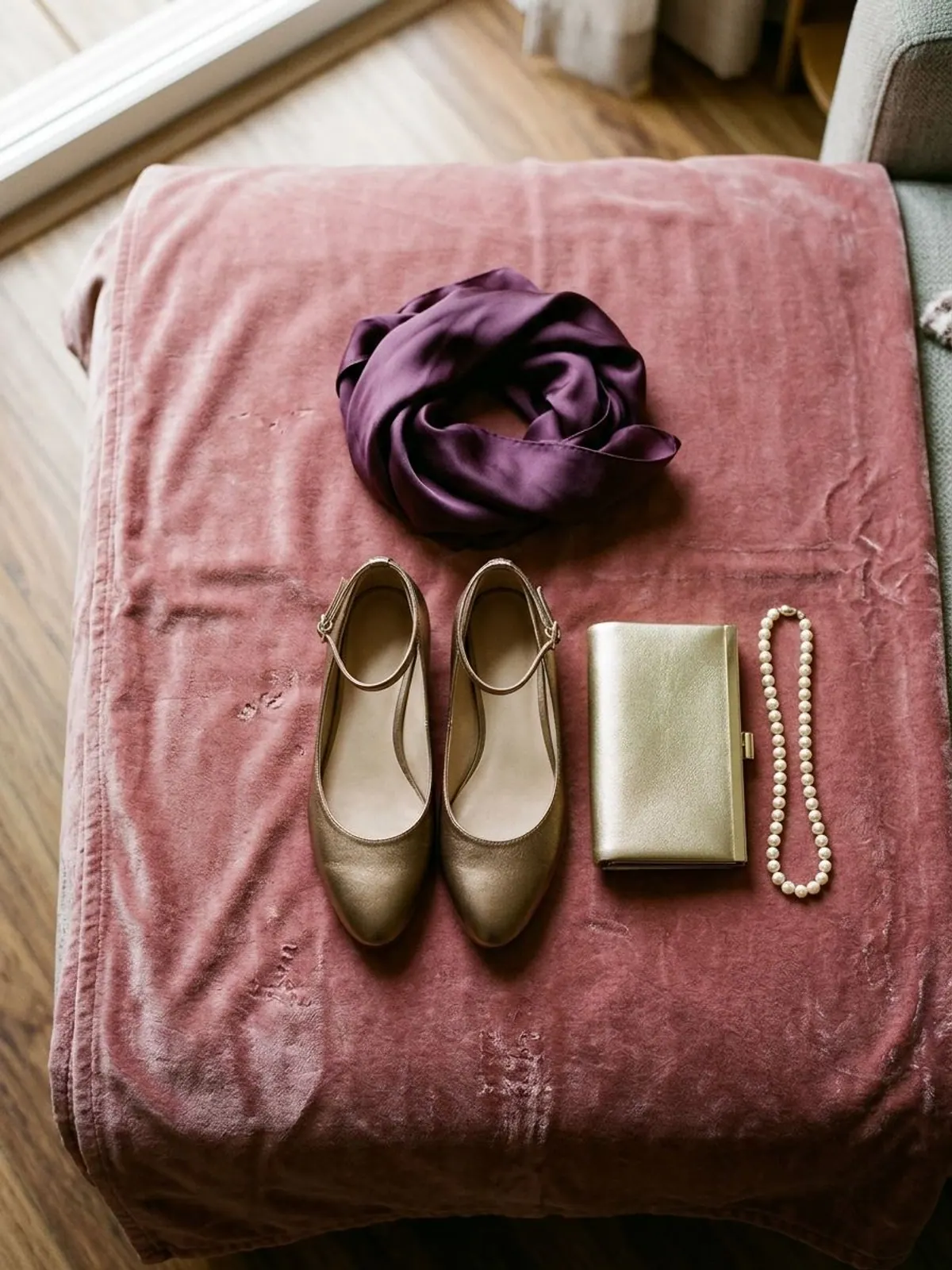
Best for: dancing, a lot of walking between venues and the second half of the evening.
Why it works: a flat takes the pressure off the ball of the foot, and a metallic or satin finish looks as formal as a heel with a midi or long dress.
Watch out for: a paper-thin sole, no arch support and a back that is loose enough to slip off.
- Pack a flat in your bag even if you plan to wear heels. Swapping at 8 pm is easier than staying in pain.
Look for a cushioned insole and a snug heel. A gold, bronze or silver flat goes with most dress colors.
Match the Shoe to the Venue and the Dress
The venue decides more than the dress does. A shoe that is a good block heel on a church floor can be a bad choice on a lawn, so ask the couple where you will actually walk and stand.
| Venue | Choose | Skip |
|---|---|---|
| Church or ceremony hall | Block heel or kitten heel | Platforms that make you taller than the aisle photos need |
| Lawn, garden or vineyard | Closed-toe wedge or a flat | Thin heels that sink into soft ground |
| Stone path, steps or gravel | Block heel with a grippy sole, or a wedge | Leather soles that slip, and long straps that catch |
| Ballroom with a dance floor | Block heel and a flat for later | Very high heels you cannot dance in |
| Beach or deck | Wedge or a dressy flat | Pointed heels that catch in the boards |
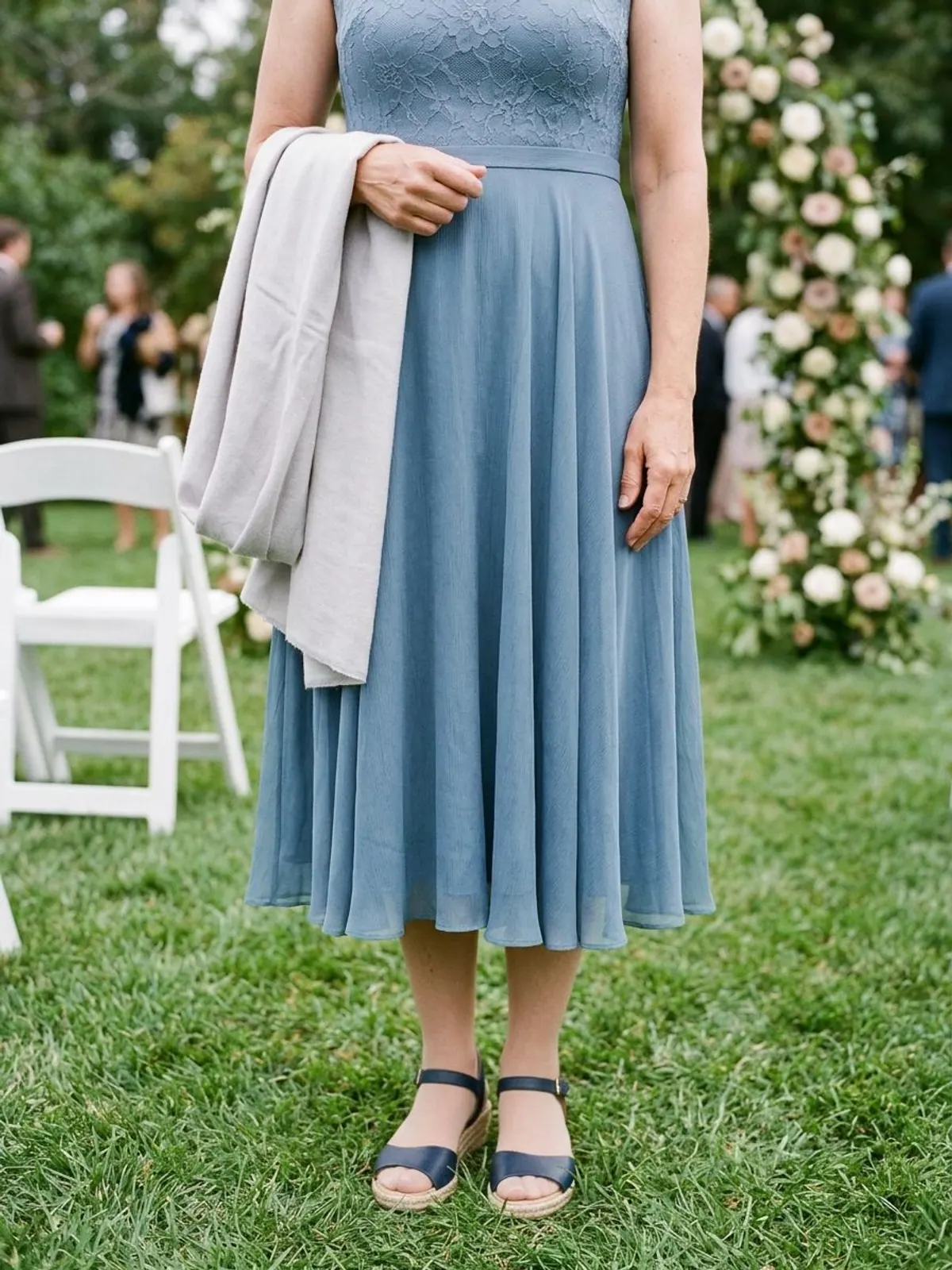
Hem length matters too. A tea-length or midi dress shows the shoe, so match its color to the dress or go slightly deeper. A floor-length hem hides most of it, but the heel height still has to be one you can walk in without hitching up the fabric. Take the dress, or a similar hem, when you try shoes on.
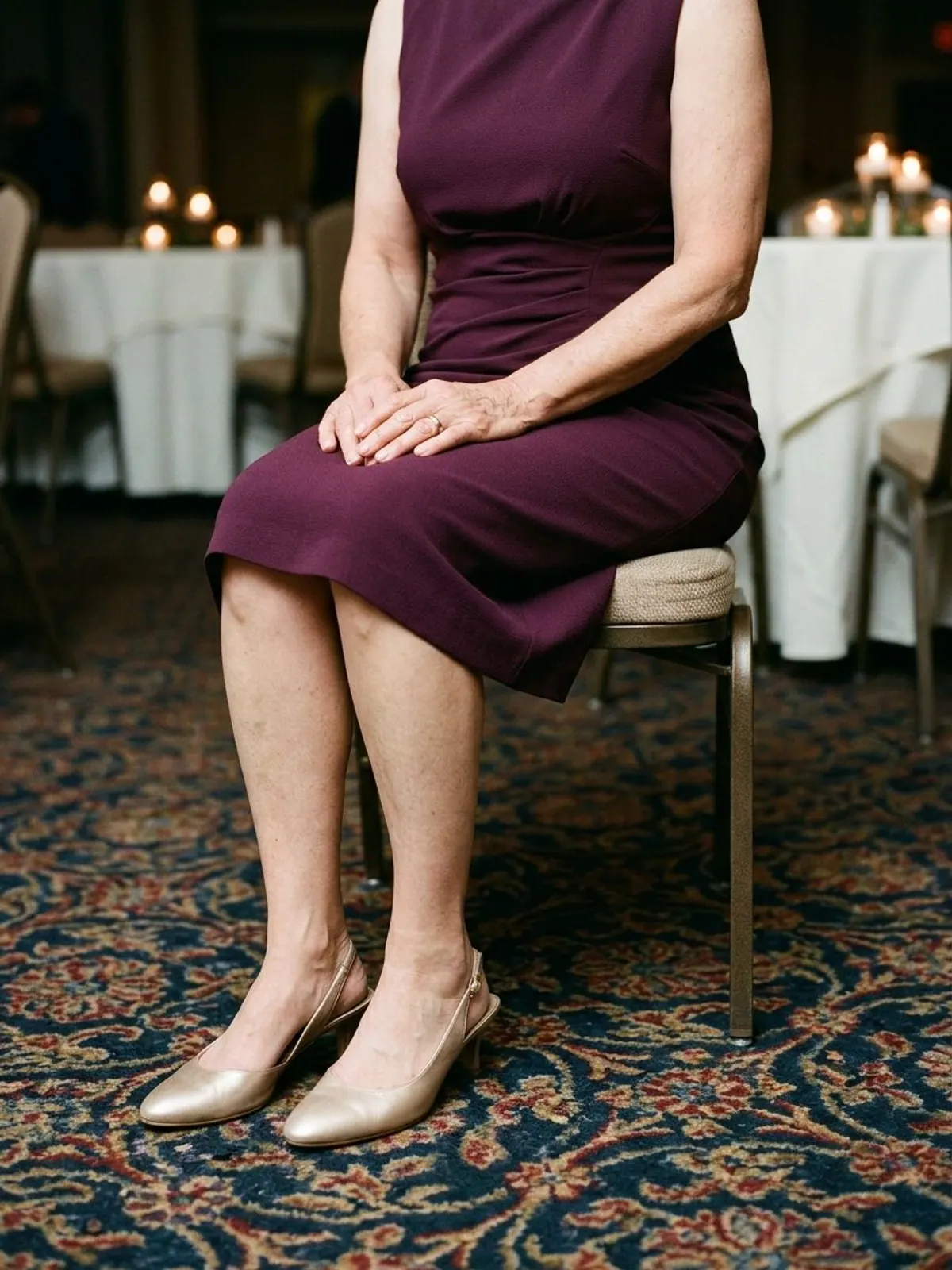
Fit Details That Decide Whether You Can Wear Them All Day
Most foot pain at a wedding comes from the fit, not the heel height. Check these before you worry about style.
Check before you keep a pair
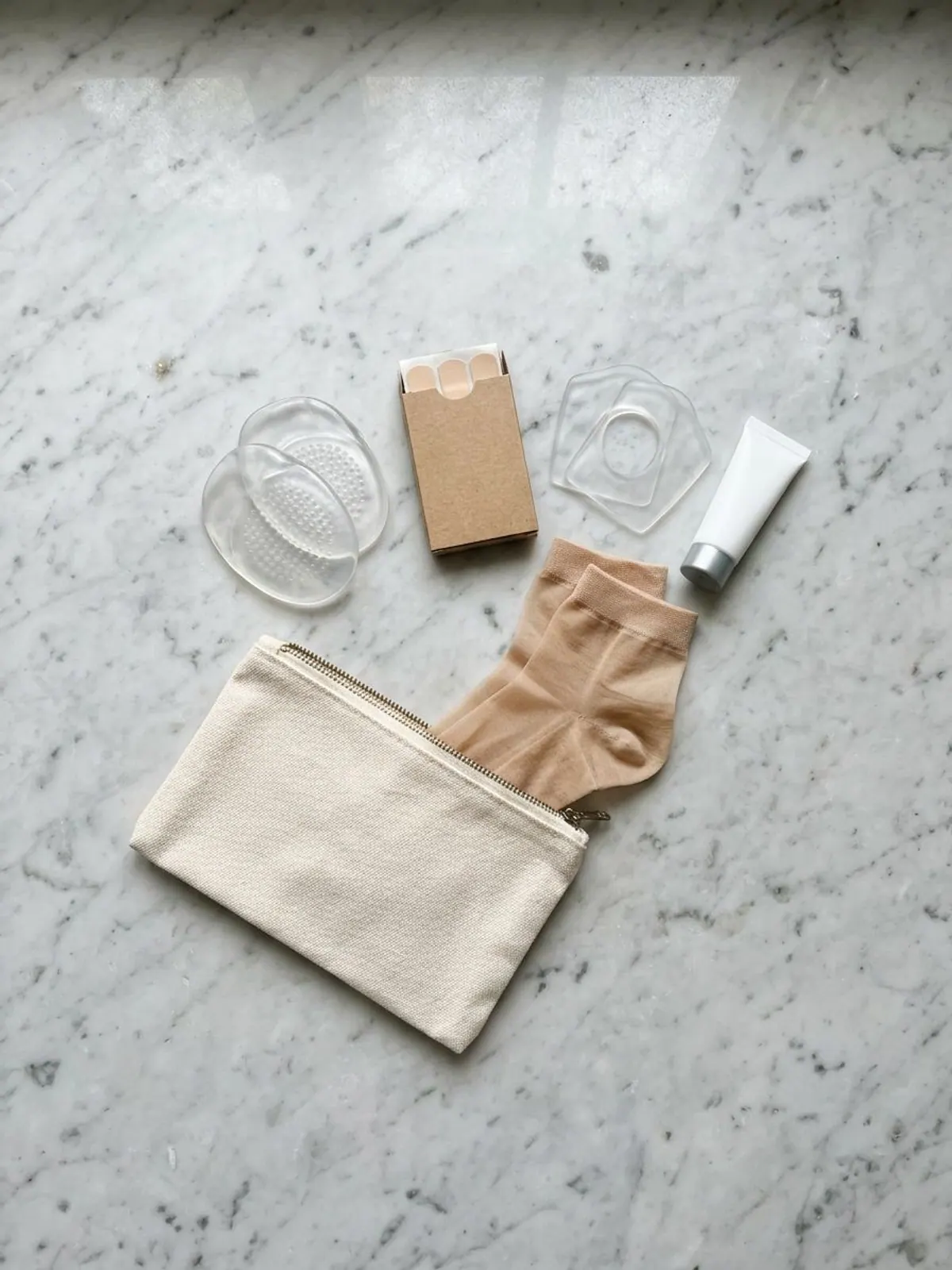
The comfort kit
- Top pick
Gel forefoot cushions
Typically $8 to $15
They take pressure off the ball of the foot in a heel or a wedge.
Check price on Amazon for Gel forefoot cushions -
Heel grips
Typically $6 to $12
A thin pad that stops a slingback or a pump from slipping at the back.
Check price on Amazon for Heel grips -
Hydrocolloid blister bandages
Typically $6 to $12
Keep two in your clutch in case a new shoe rubs.
Check price on Amazon for Hydrocolloid blister bandages -
Moleskin padding
Typically $5 to $10
Cut a piece to cover a spot that rubs before it turns into a blister.
Check price on Amazon for Moleskin padding
The 7-Day Break-In Plan
New shoes should not be worn for the first time on the wedding day. This plan starts a week out and needs only a few minutes each day. If you have more time, stretch each step over two days.
-
Step 1: Day 7: Try them on at home
Wear the shoes with your stockings or socks for 20 minutes indoors. Note any rubbing spots and fix them with a cushion or moleskin before the next day.
-
Step 2: Day 6: Wear them while you do chores
Wear them for 45 minutes around the house. Walk, stand at the counter and climb stairs. Take them off if something hurts.
-
Step 3: Day 5: Sit and stand
Wear them for an evening of sitting, standing and sitting again, which is how the reception will feel. Your feet may swell a little by dinner, so check the fit after two hours.
-
Step 4: Day 4: Add the full outfit
Put on the dress, hosiery and shoes together and check the hem, the strap and how the shoe looks from the side.
-
Step 5: Day 3: Walk outside on the right surface
Walk on grass, gravel or steps if the venue has them. Check that the heel does not sink or catch.
-
Step 6: Day 2: Dance for ten minutes
Turn, step and sway to a few songs in the shoes. If the heel slips or the ball of the foot burns, add a cushion or switch to the flats.
-
Step 7: Day 1: Pack the bag
Pack the comfort kit, the back-up flats, a spare pair of stockings and the shoe polish or wipes. Leave the shoes by the door so you do not hunt for them.
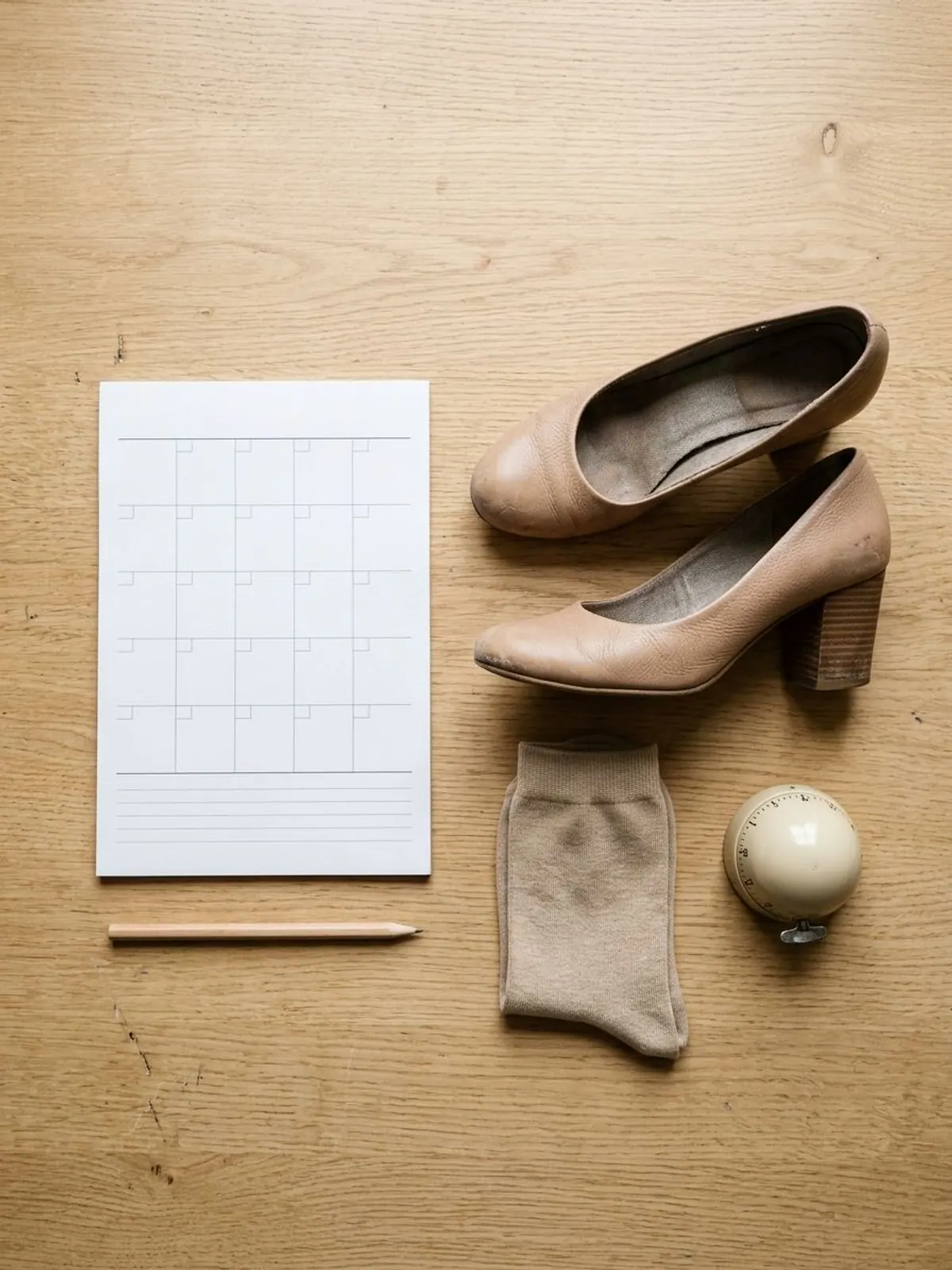
Shoes to Skip for a Mother of the Bride
Skip a shoe that you only like for how it looks on the shelf. These are the shoes that most often turn into the pair you are carrying by 8 pm.
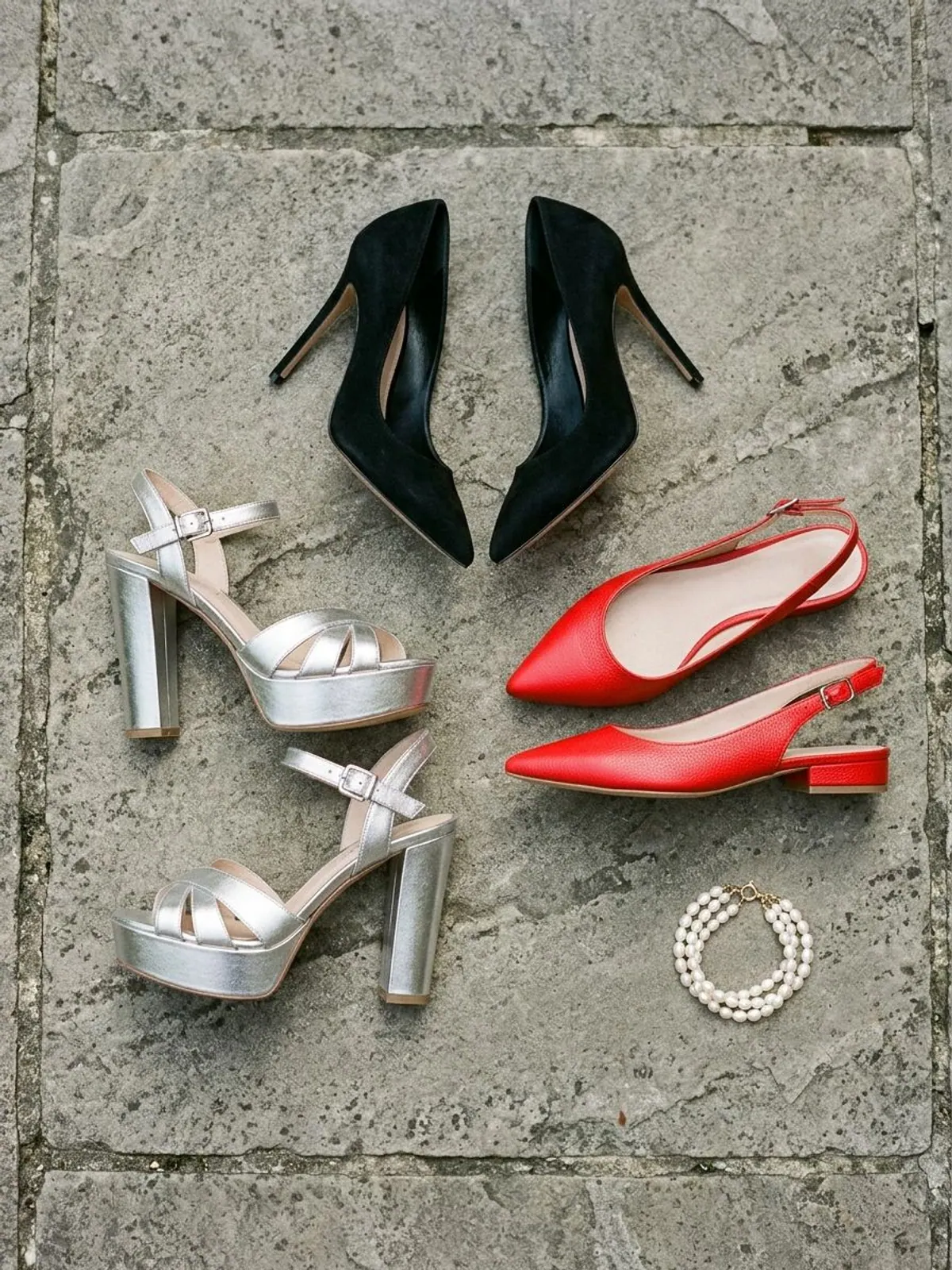
Wear this
- A block heel of about 2 inches, or a wedge on soft ground
- A closed or ankle-strap style that stays on when you dance
- A rounded or almond toe with room to spread
- A cushioned insole you have tested
- A back-up pair of flats in your bag
Skip this
- A stiletto or a heel over 3 inches
- A platform so stiff it does not bend at the ball of the foot
- A narrow pointed toe that pinches
- Brand-new shoes with no break-in
- A slingback with a loose strap
- Leather soles on a wet or polished floor
The three guides in this wedding set work together: pick the mother of the bride dress first, then match the shoe to its hem, and read the grandmother of the bride guide if you are in that role. For everyday pairs you can wear after the wedding, see comfy shoes for women over 50.
Foot comfort is personal, and this is style guidance, not medical advice. If you have foot pain, a medical condition or swelling that does not settle, ask a podiatrist or your doctor before a long day on your feet. Prices are typical ranges and change often.
Frequently asked questions
What is the most comfortable shoe for a mother of the bride?
For most women it is a block heel of about 2 inches with an ankle strap or a closed back, a rounded toe and a cushioned insole. On grass or gravel a closed-toe wedge is steadier, and for dancing a dressy flat is the easiest on the feet.
What heel height is best for a mother of the bride?
Between 1.5 and 2.5 inches suits most women, because it gives some lift without tipping the weight onto the ball of the foot. Go lower or choose a flat if you will be standing, walking or dancing for most of the day.
Can the mother of the bride wear flats?
Yes. A dressy flat in a metallic, satin or embellished finish looks formal with a midi or long dress. Many mothers wear heels for the ceremony and photos, then switch to flats for the evening.
Are wedges good for an outdoor wedding?
Wedges are often a better choice than thin heels outdoors, because the wide sole does not sink into grass the way a stiletto heel can. Choose a closed toe, a lighter sole and a flexible forefoot.
How do I break in wedding shoes?
Start a week before: wear them indoors with your stockings, then add sitting, stairs, the full outfit, the venue surface and some dancing. Use gel cushions or moleskin on any spot that rubs, and pack flats as a back-up.
What color shoes should the mother of the bride wear?
Nude, champagne, silver, gold, bronze, navy and black are the easy choices, because they go with most dress colors. Match the shoe to the dress or go slightly deeper, and avoid white or ivory unless the couple has approved it.
Save it for later
Pin this to your Outfit Ideas board so it's there when you need it.
Save to Pinterest