This post contains affiliate links. As an Amazon Associate we earn from qualifying purchases, at no extra cost to you. Read our disclosure.
Key takeaways
- One line per piece: name, color, price, last worn, wears in 12 months, cost per wear and a decision.
- Cost per wear is price paid divided by wears. A $48 pair of trousers worn 40 times costs $1.20 a wear.
- Last worn shows what you skip right now, even when the yearly average looks fine.
- Every line ends with keep, alter or let go, and an alteration gets a date.
- Count before the January sales, and shop only for what the count shows is missing.
In this post13 sections
- What a Closet Inventory Is, and Why Do It Before January
- What to Write on Every Line of Your Wardrobe Inventory
- How to Take a Closet Inventory in One Evening
- How to Work Out Cost Per Wear (With Ten Example Pieces)
- What Last Worn Tells You That Cost Per Wear Cannot
- Keep, Alter or Let Go: How to Decide Each Piece
- 1. Keep
- 2. Alter
- 3. Let go
- What to Do With Your Totals Before You Shop
- Accessories, Shoes and Bags Count Too
- Your Next Step
- FAQ
Affiliate note: a few product links below are Amazon links, and we may earn a small commission if you buy, at no extra cost to you. Prices are typical ranges as of November 2026, not quotes.
What a Closet Inventory Is, and Why Do It Before January
A closet inventory is a written list of every piece you own, with a few facts about each one. It turns a closet you can only guess at into a page you can read, so you can see what you wear, what you skip and what you already have two of.
The best time to do it is the week before the January sales. You count first, then you decide what is missing. That order keeps you from buying a third black cardigan because you forgot the other two.
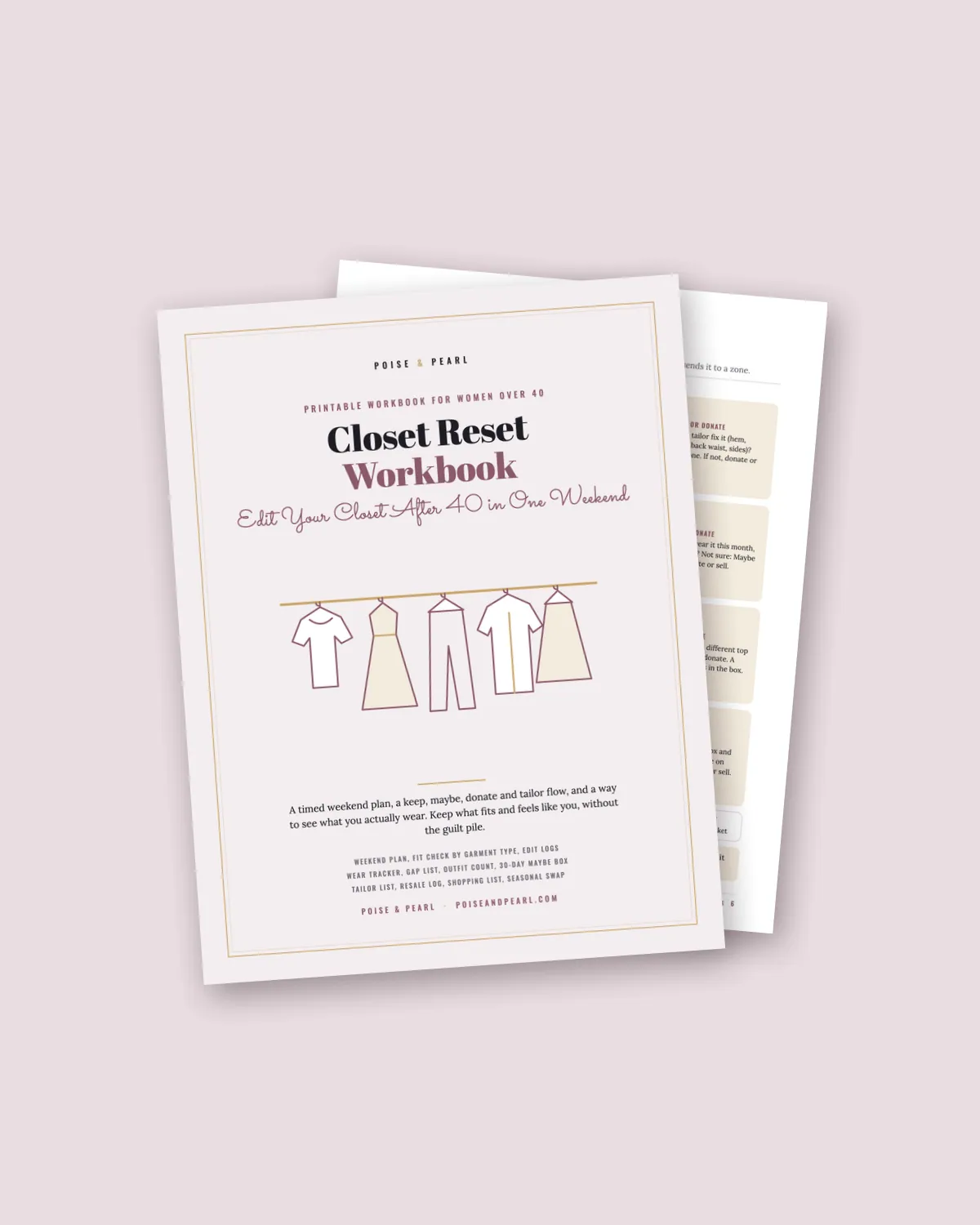
Think of it as step one of a reset. The inventory tells you what is there, and the next step is deciding what to do with it. If you want that second step laid out, the Closet Reset Workbook picks up where this sheet stops.
What to Write on Every Line of Your Wardrobe Inventory
Each piece gets one line. Seven facts are enough, and none of them needs a spreadsheet. A pen and the free printable sheet above will do.
| Column | What to write | Why it matters |
|---|---|---|
| Piece | Short name, like navy crewneck or black ponte trousers | So you can find it in the closet |
| Color | One or two words | Shows how many of one color you own |
| Price paid | What you remember, to the nearest dollar | Feeds the cost-per-wear sum |
| Last worn | A month, or "can't remember" | Shows what you reach for and what you skip |
| Wears in 12 months | A rough count | Wears are the bottom half of cost per wear |
| Cost per wear | Price paid divided by wears | Shows what each piece has really cost you |
| Decision | Keep, alter or let go | Turns the list into a plan |
How to Take a Closet Inventory in One Evening
-
Step 1: Work one category at a time
Do tops, then bottoms, dresses, layers, shoes and bags. Finishing a category gives you a small win, and it stops the job from feeling endless.
-
Step 2: Take everything of one kind out first
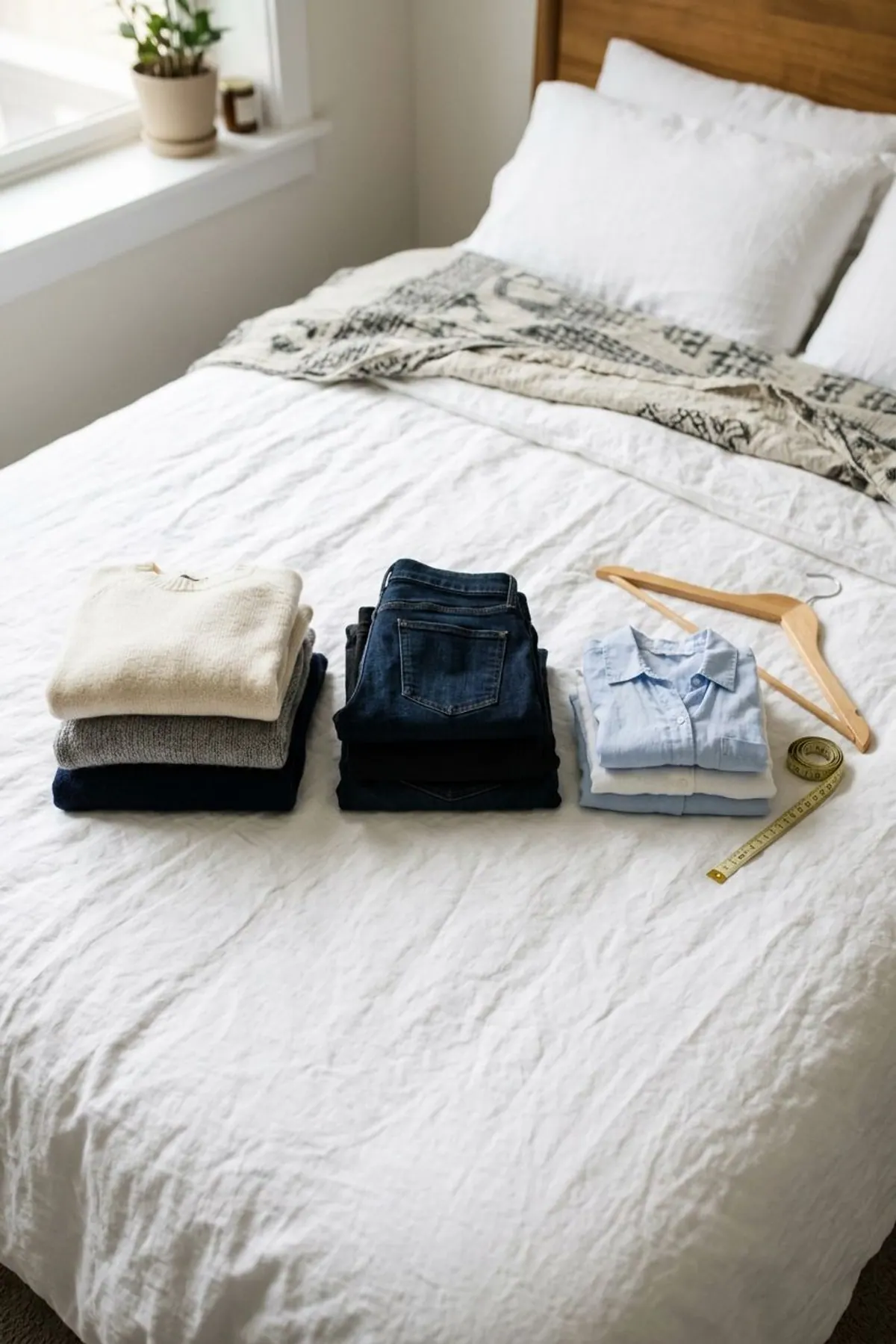
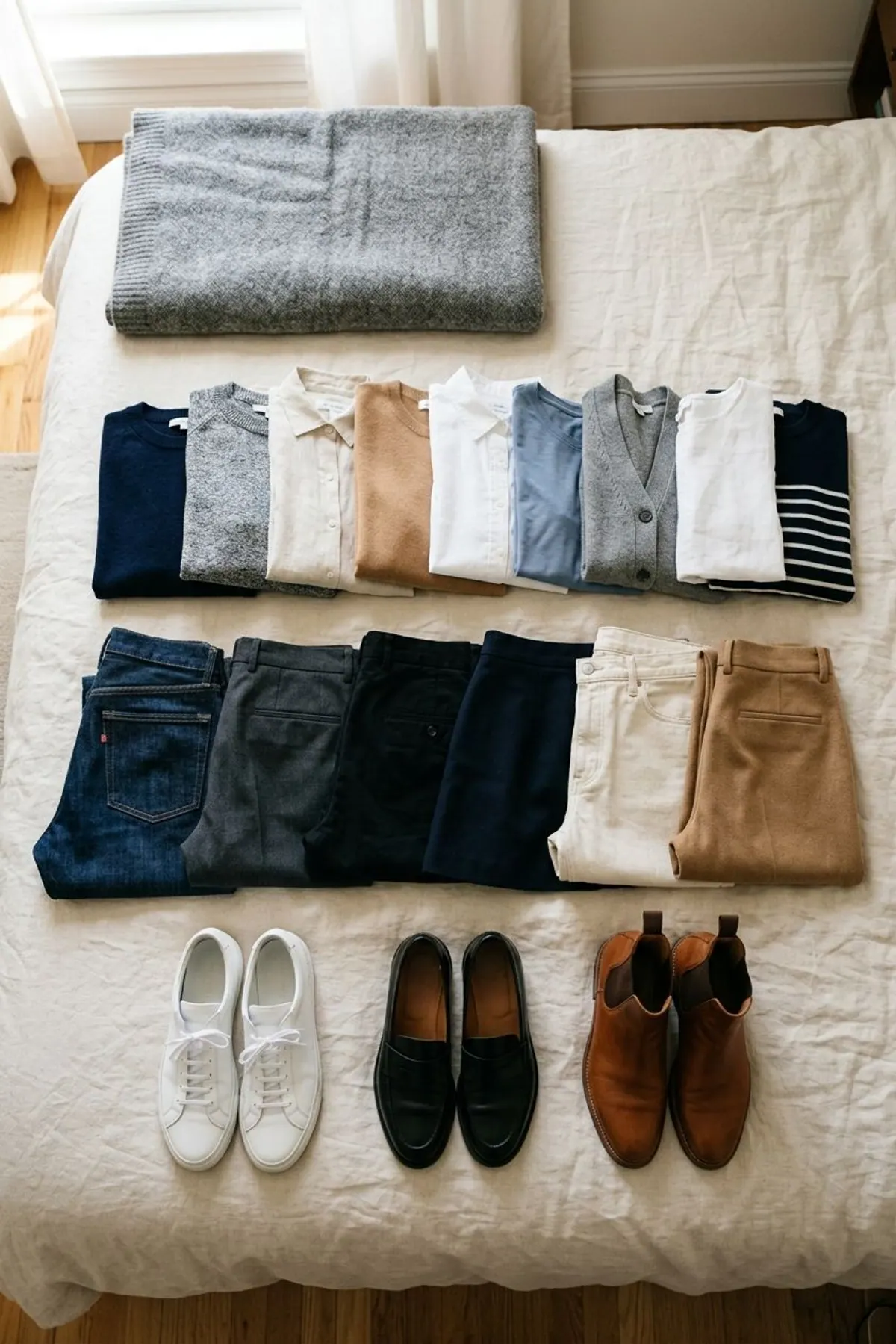
Lay all your tops on the bed, or at least see them in one place. You will spot duplicates in seconds.
-
Step 3: Write one line per piece
Name, color, price and last worn. Skip any column you cannot fill and move on. You can add facts later.
-
Step 4: Count wears and work out cost per wear
Use the wears from the past 12 months. If you bought the piece recently, use the wears you expect this year and say so in the margin.
-
Step 5: Mark keep, alter or let go
Do this last, after you have seen the numbers. Most decisions are easy once the line is written down.
-
Step 6: Add up your totals
Count how many pieces you kept, how many need altering, how many you will let go and how many had no wears at all. Write the totals on page six of the sheet.
How to Work Out Cost Per Wear (With Ten Example Pieces)
Cost per wear is what you paid divided by how many times you have worn the piece. A $48 pair of trousers worn 40 times costs $1.20 a wear. A $55 skirt worn once costs $55.
The ten pieces and the numbers below are made up to show the sums. Use your own prices and counts on the printable.
| Piece | Paid | Wears in 12 months | Cost per wear | Decision |
|---|---|---|---|---|
| Black ponte trousers | $48 | 40 | $1.20 | Keep |
| Camel wool coat | $180 | 45 | $4.00 | Keep |
| White cotton shirt | $36 | 20 | $1.80 | Keep |
| Navy knit dress | $70 | 10 | $7.00 | Keep |
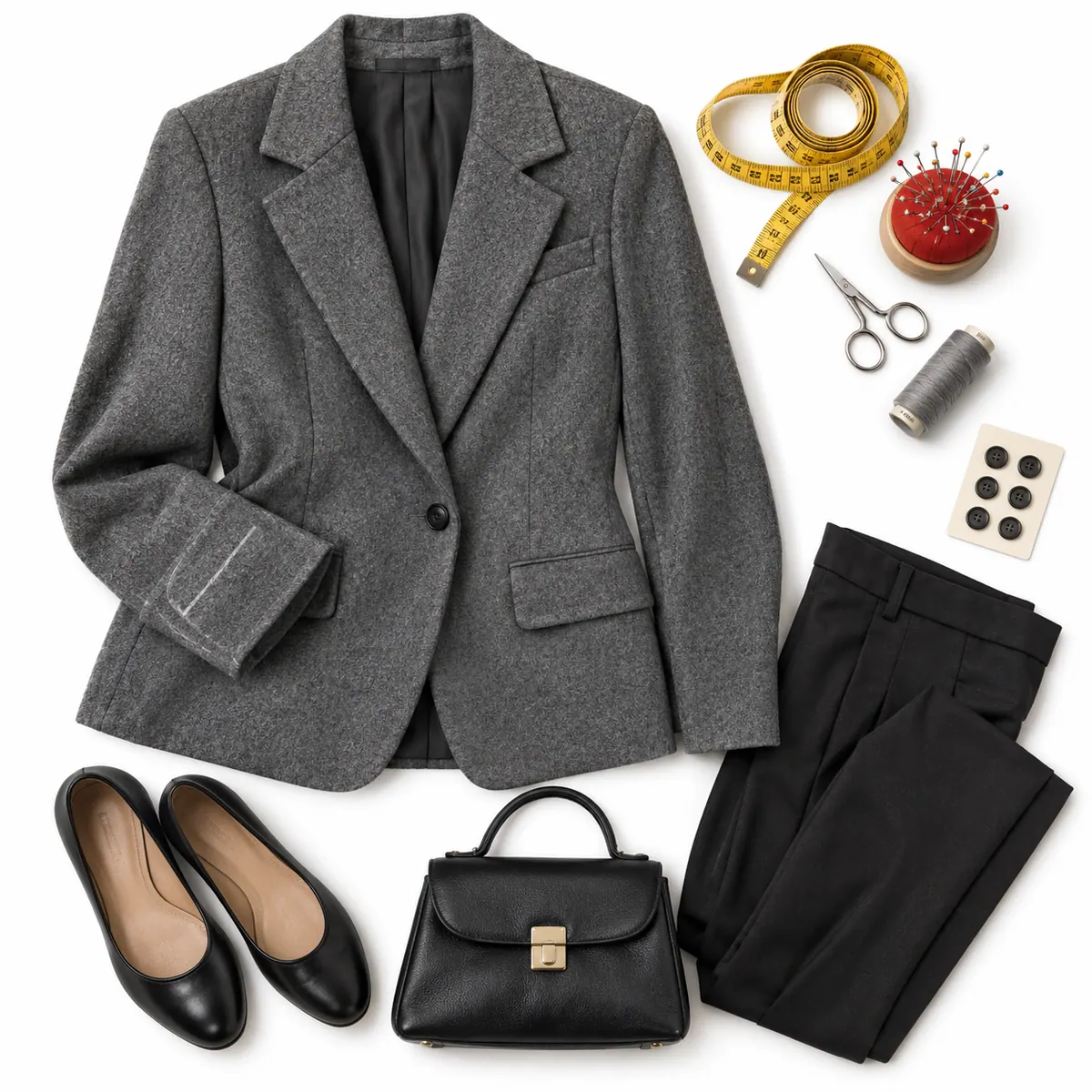
| Grey blazer, sleeves long | $90 | 6 | $15.00 | Alter |
| Red party top | $40 | 2 | $20.00 | Keep for events |
| Leopard skirt | $55 | 1 | $55.00 | Let go |
| Stiff dark jeans | $80 | 0 | No wears | Let go |
| Black flats | $60 | 50 | $1.20 | Keep |
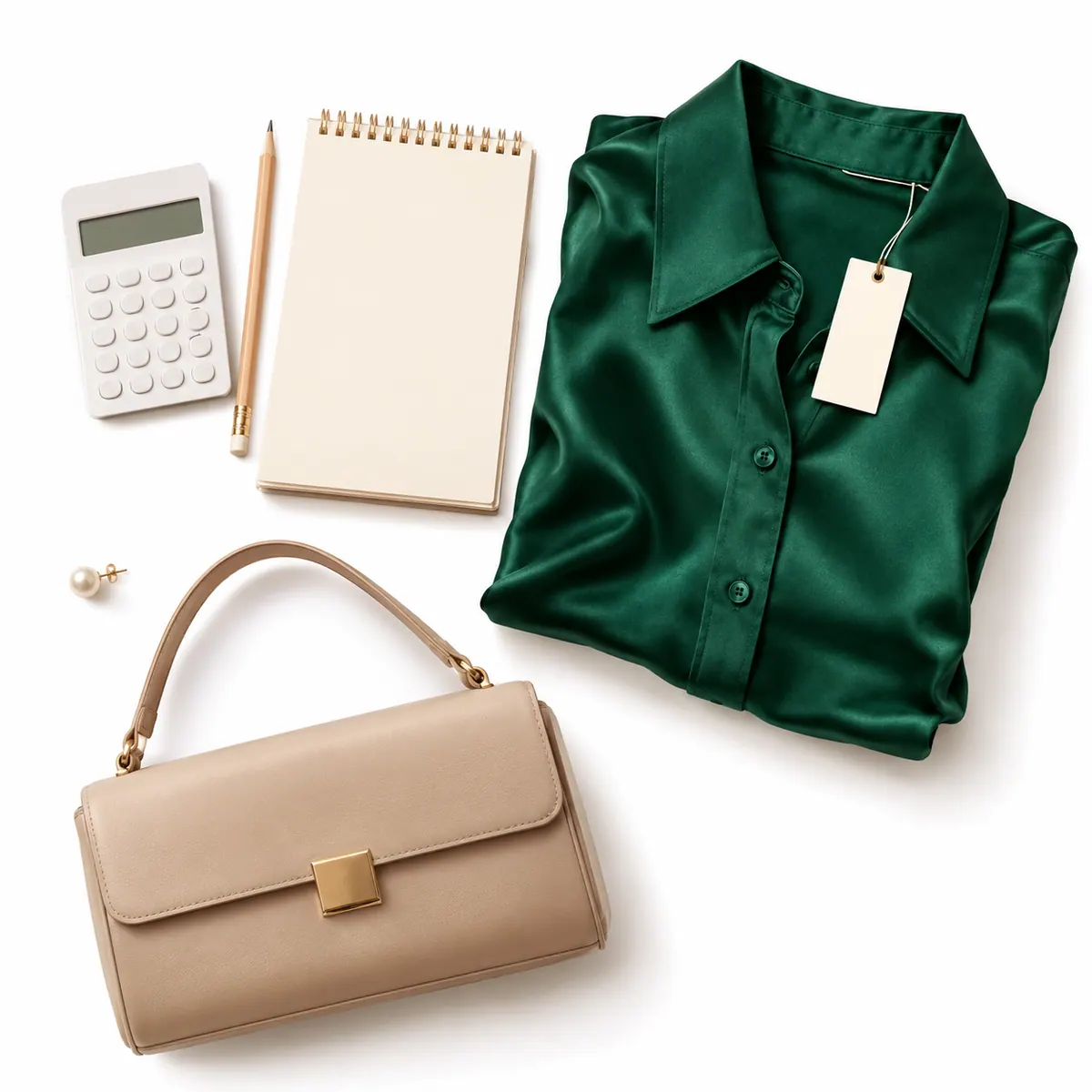
| Green silk blouse | $65 | 0 | No wears | Alter |
The cheapest pieces per wear are the plain ones you reach for every week. That is the pattern to notice in your own closet.
A high number is not always a reason to let go. A red top for holiday events worn twice may still earn its place. Treat a high cost per wear as a question: why am I not wearing this?
Dividing by zero does not work, so write "no wears" and let the decision column do the work. A piece with no wears is not a failure. It is information about fit, comfort or where you actually go.
What Last Worn Tells You That Cost Per Wear Cannot
Cost per wear looks backward over a year. Last worn shows what is happening right now. A piece you wore 12 times and have not touched since March is telling you something that the average hides.
Look for a gap of six months or more in a piece you would expect to wear every month. That gap often points to a fit problem you have stopped noticing, like sleeves that are a little long or a waistband that has stopped being comfortable.
Pieces you cannot remember wearing get a question mark. Put them on a short list, wear them once in the next two weeks, then decide. A date on the calendar beats a vague promise to yourself.
Keep, Alter or Let Go: How to Decide Each Piece
Every line ends in one of three words. Use the questions below to choose.
1Keep
Choose keep if: you wear it, it fits, and you like how you feel in it. A low cost per wear is a good sign, but a piece for a few special events can be a keep too.
Write next to it: what it goes with, so you remember outfits when you dress.
2Alter
Choose alter if: you like the piece but one thing stops you wearing it, such as long sleeves, a loose waist, a missing button or a hem that is too long.
Write next to it: exactly what to change and a date. An alteration without a date turns into a pile by the sewing basket.
3Let go
Choose let go if: you have not worn it in a year, it does not fit, and you do not want to change it. Letting go is not wasting money. The money was spent already, and the piece is not earning it back in your closet.
Write next to it: where it goes, whether that is donation, resale or recycling.
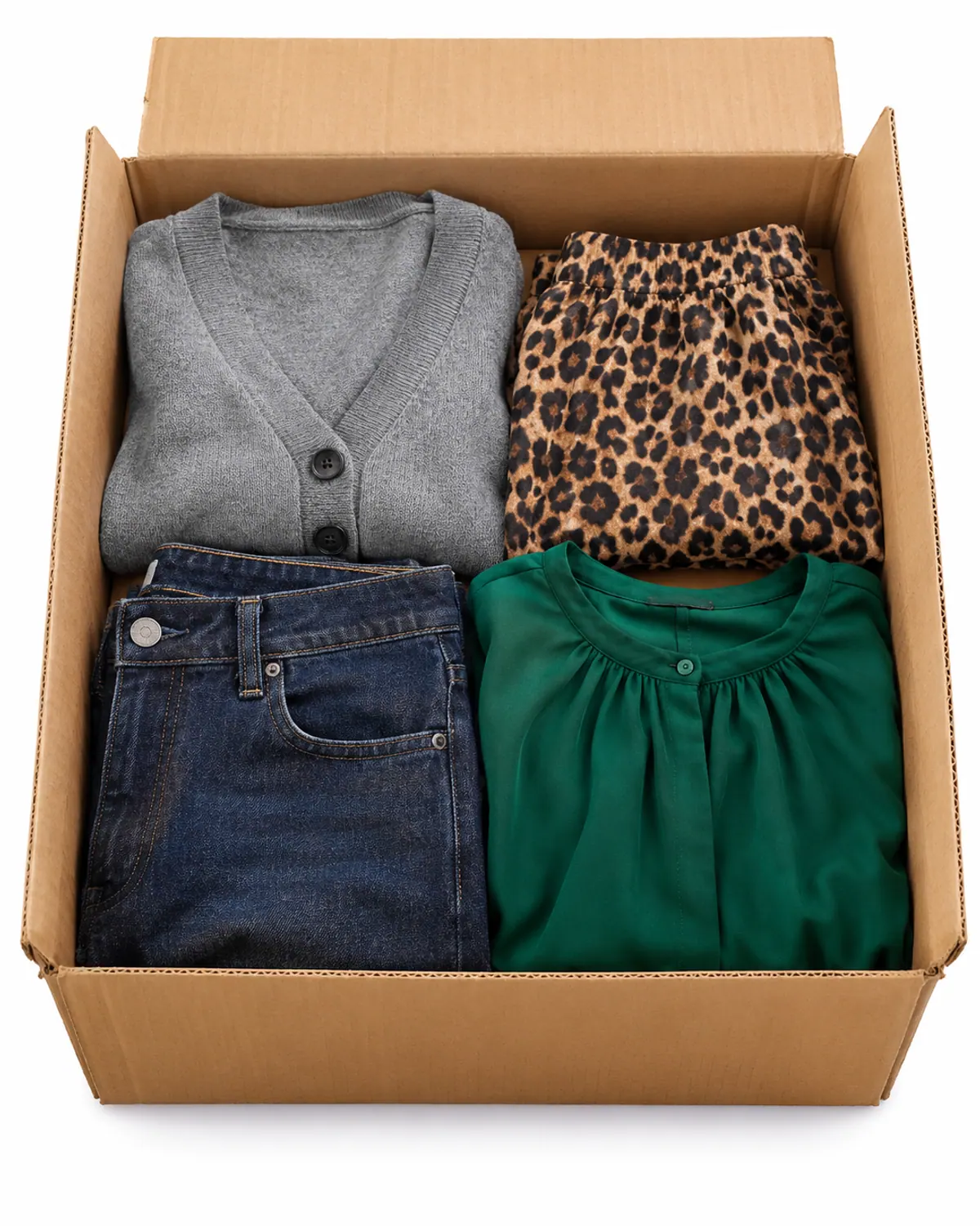
What to Do With Your Totals Before You Shop
Fill in the totals page: how many pieces you counted, how many you will keep, alter and let go, and how many had no wears. Then write your lowest and highest cost per wear.
Before you buy anything in January, check the sheet. If you already own two of something, the gap is probably somewhere else. Write down what is truly missing, and shop only for that. A gap list and shop plan shows how.
If your closet is too full to start, do a closet clean-out first and take the inventory afterward. If you are building a smaller wardrobe, how many pieces a capsule wardrobe should have gives you a target to count against.
Once you have your numbers, the Closet Reset Workbook shows what to do with them: a timed weekend plan, a four-question keep, maybe, tailor or donate flow and a fit check by garment type. It costs $7, and the inventory sheet works fine without it.
Accessories, Shoes and Bags Count Too
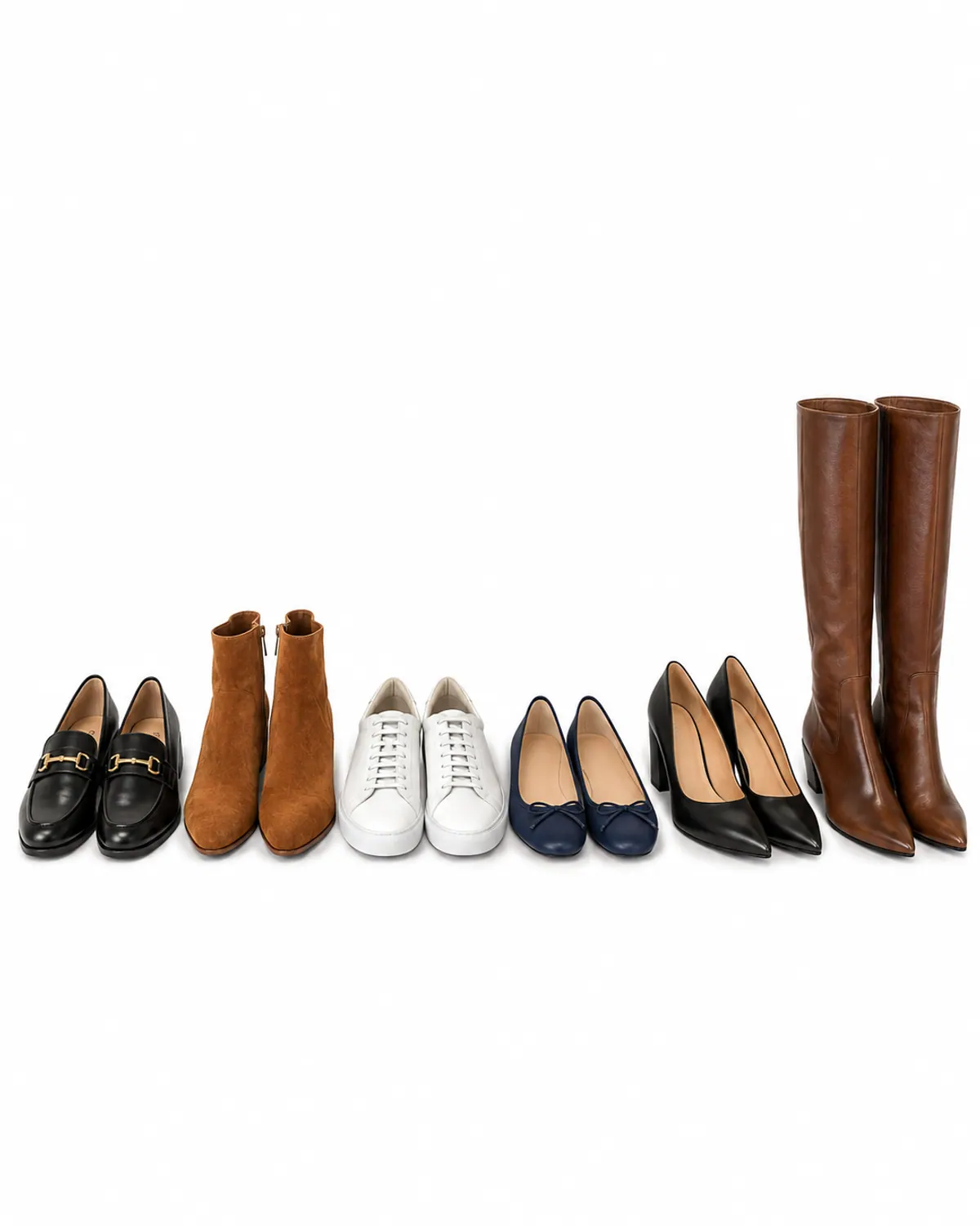
Give shoes, bags, belts and scarves the same one-line treatment. They are easy to skip, but they decide whether an outfit looks finished, and it is easy to own several of the same bag or boot without noticing.
For jewelry, count by drawer or tray instead of by piece. A short note like "six pairs of earrings, two worn" is enough.
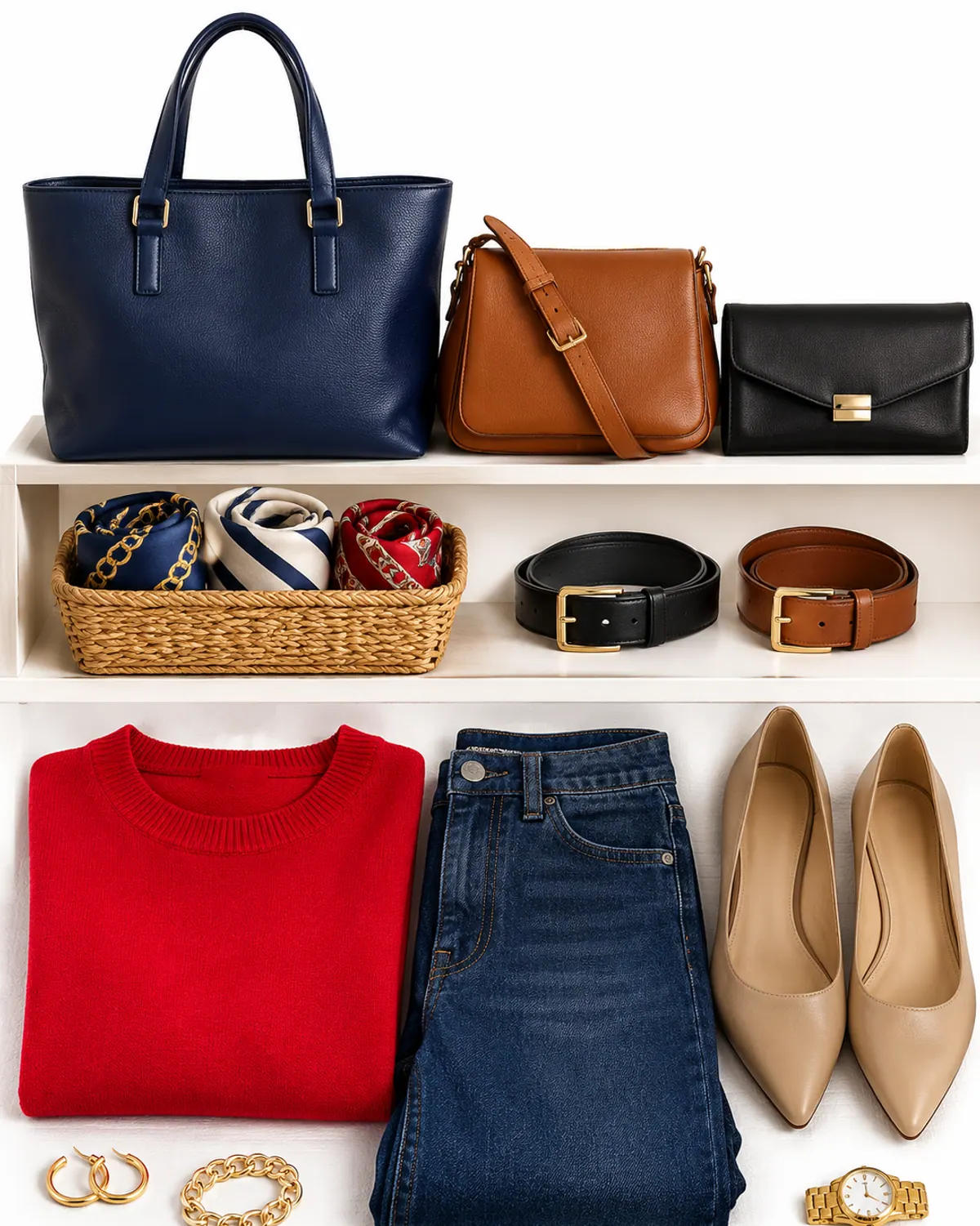
Handy for a closet inventory
-
Notebook or clipboard for the printed sheet
Typically $8 to $18, as of November 2026
A clipboard lets you write standing at the closet. Any sturdy one works.
Check price on Amazon for Notebook or clipboard for the printed sheet -
Flexible tape measure
Typically $4 to $10, as of November 2026
Useful when you note a hem or sleeve to alter.
Check price on Amazon for Flexible tape measure -
Sticky tabs or small labels
Typically $5 to $10, as of November 2026
Stick a colored tab on every alter piece so it stands out on the rail.
Check price on Amazon for Sticky tabs or small labels -
Slim felt hangers
Typically $20 to $35 for a set, as of November 2026
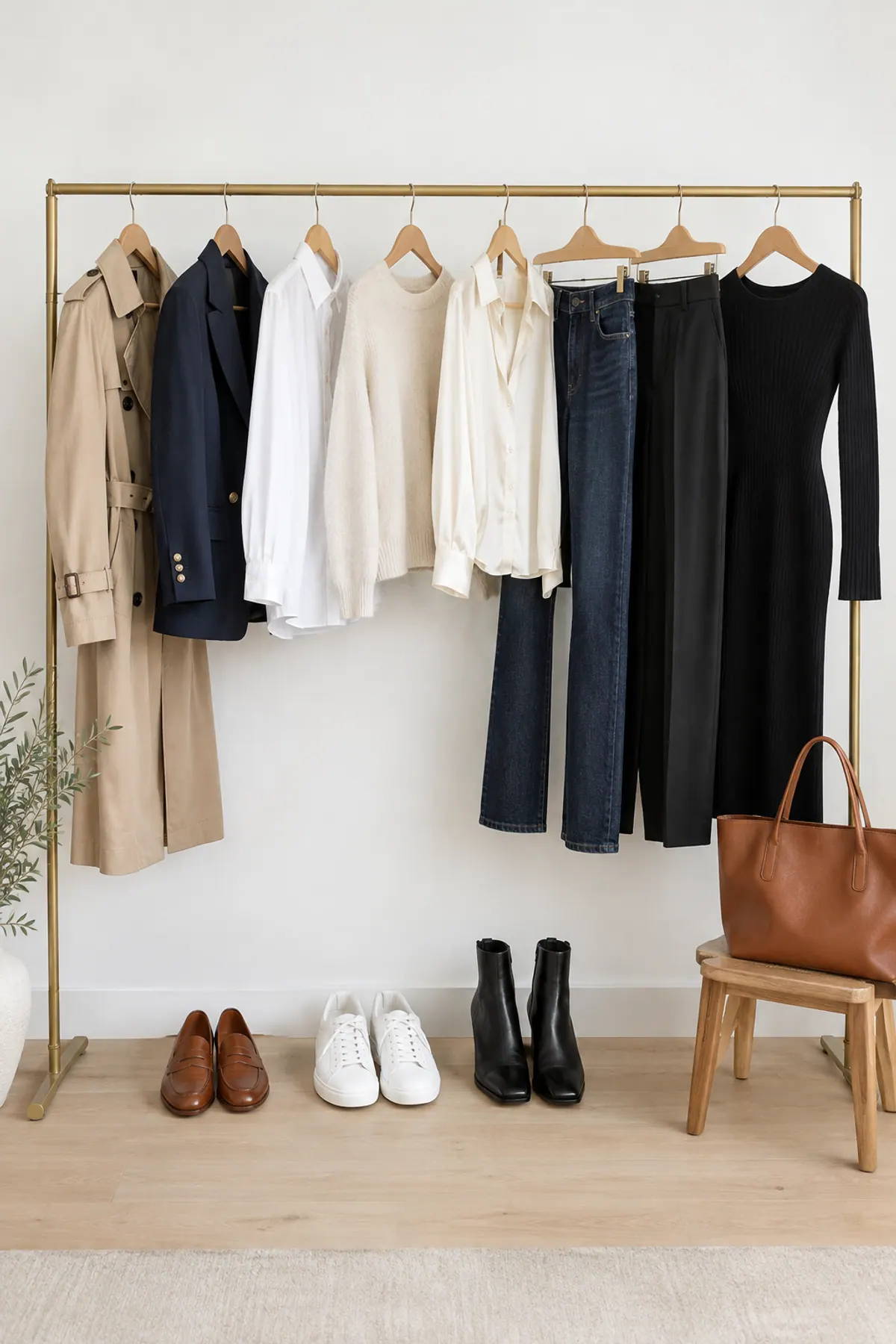
Matching hangers make the closet easier to read when you count.
Check price on Amazon for Slim felt hangers
Your Next Step
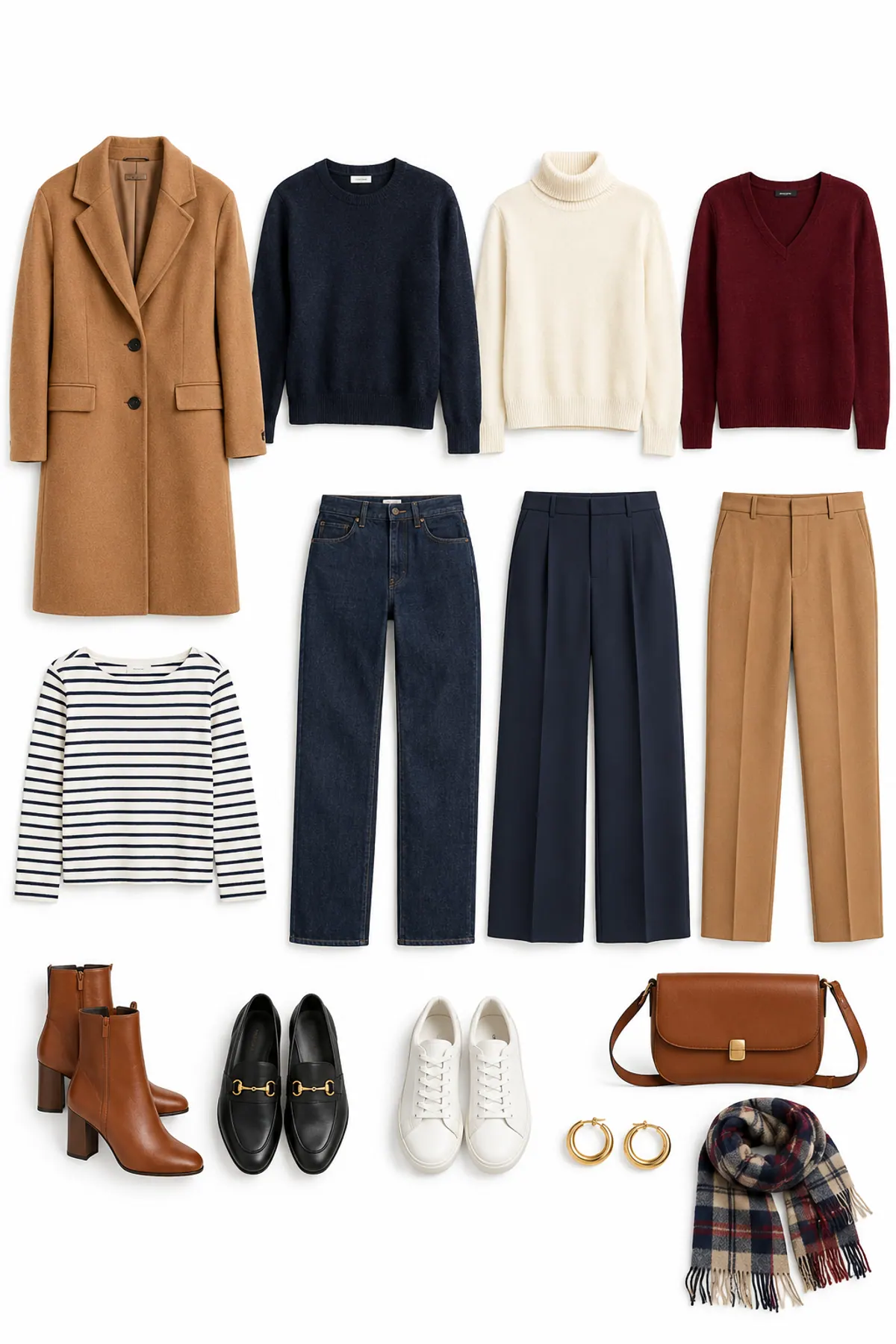
Print the sheet and take the inventory of one category tonight. Tops are a good place to start. If you already know your style and want a smaller wardrobe, this winter capsule checklist helps you pick what to keep.
Frequently asked questions
What is a closet inventory?
A closet inventory is a written list of every piece of clothing you own, with a few facts about each one, such as color, price paid, when you last wore it and whether you will keep it. It shows what you have before you shop for anything new.
What should a wardrobe inventory include?
One line per piece with the name, color, price paid, last worn, wears in the past 12 months, cost per wear and a decision of keep, alter or let go. The free printable on this page has all seven columns, with room for 24 pieces per two pages.
How do I calculate cost per wear?
Divide what you paid by the number of times you have worn the piece. A $90 blazer worn 6 times costs $15 a wear. If a piece has no wears, write "no wears" instead of a number.
How long does a closet inventory take?
An evening is enough for a first pass if you take one category at a time. Tops, bottoms, dresses, layers, shoes and bags can be split across two or three short sessions if you prefer.
Should I do the inventory before or after decluttering?
Either works. If your closet is so full you cannot see what you own, sort it first with a clean-out. If you can see most of your clothes, take the inventory first and use it to decide.
Save it for later
Pin this to your Capsule Wardrobe board so it's there when you need it.
Save to Pinterest