This post contains affiliate links. As an Amazon Associate we earn from qualifying purchases, at no extra cost to you. Read our disclosure.
Key takeaways
- Learn two folds: the triangle and the narrow band. Most styles start with one of them.
- Choose a square of 35 inches or more for full coverage, or an oblong of about 21 by 78 inches for twists.
- Cotton and light wool grip; silk and satin slip unless you add a velvet band.
- For church, the nape tie or under-chin tie in a matte fabric is the usual choice. Follow your own congregation's customs.
In this post8 sections
- Pick the Scarf Before the Knot
- What You Need for Any Head Scarf Style
- How to Tie a Scarf on Your Head: 8 Styles, Step by Step
- Which Style for Which Occasion After 50
- Wearing a Scarf Because of Hair Loss or Thinning
- Mistakes That Make a Head Scarf Look Fussy
- Variations: Hat Over Scarf, Sleeping and Work
- FAQ
Pick the Scarf Before the Knot
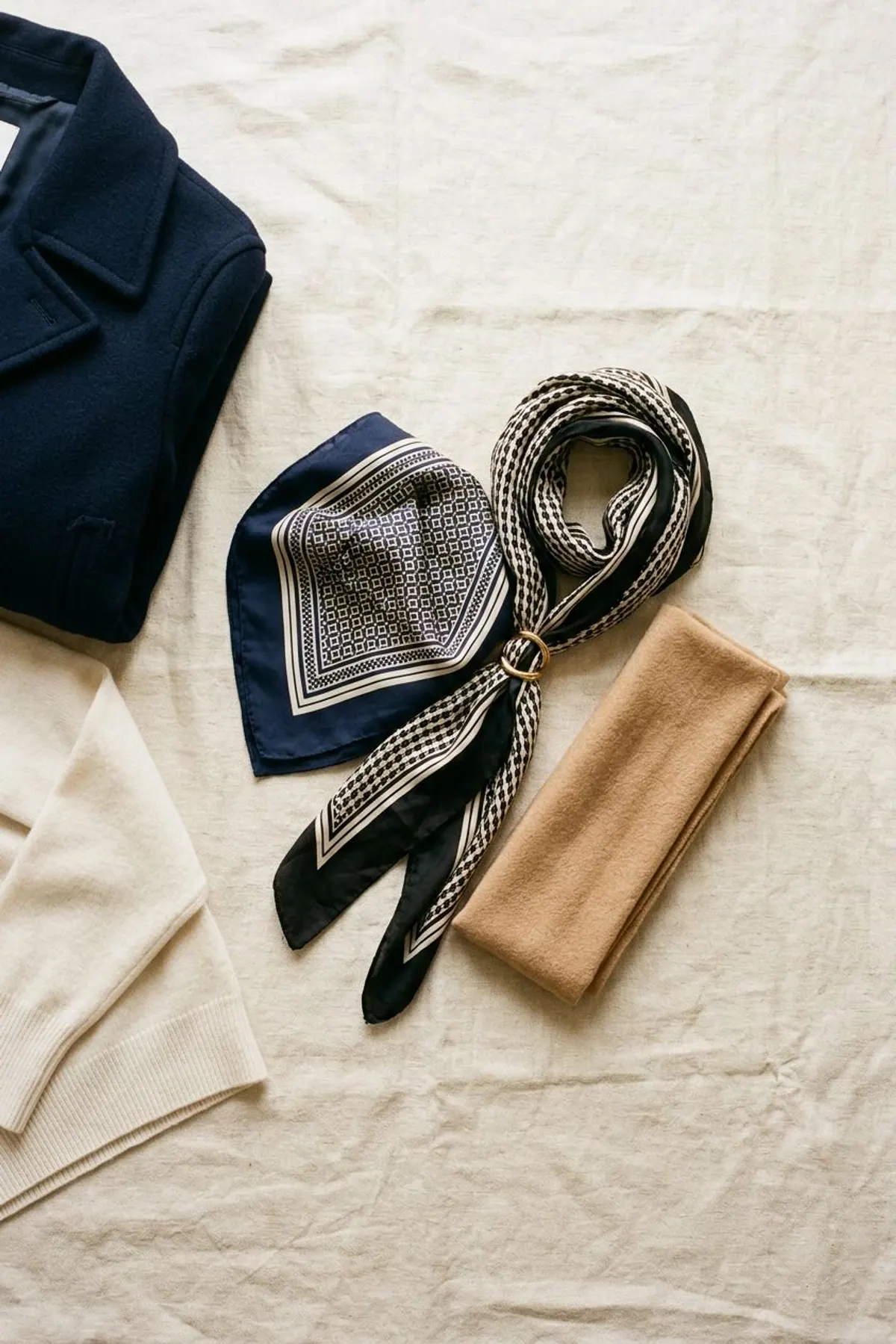
Most head scarf trouble is a size and fabric problem. The American Cancer Society suggests square scarves of 35 inches or larger and oblong scarves of about 21 by 78 inches, while PureWow says a square that covers most of the head should be at least 28 by 28 inches. If you are between the two, choose the bigger one: you can always fold it down, but you cannot stretch a small one.
| Fabric | Grip | Best for | Watch for |
|---|---|---|---|
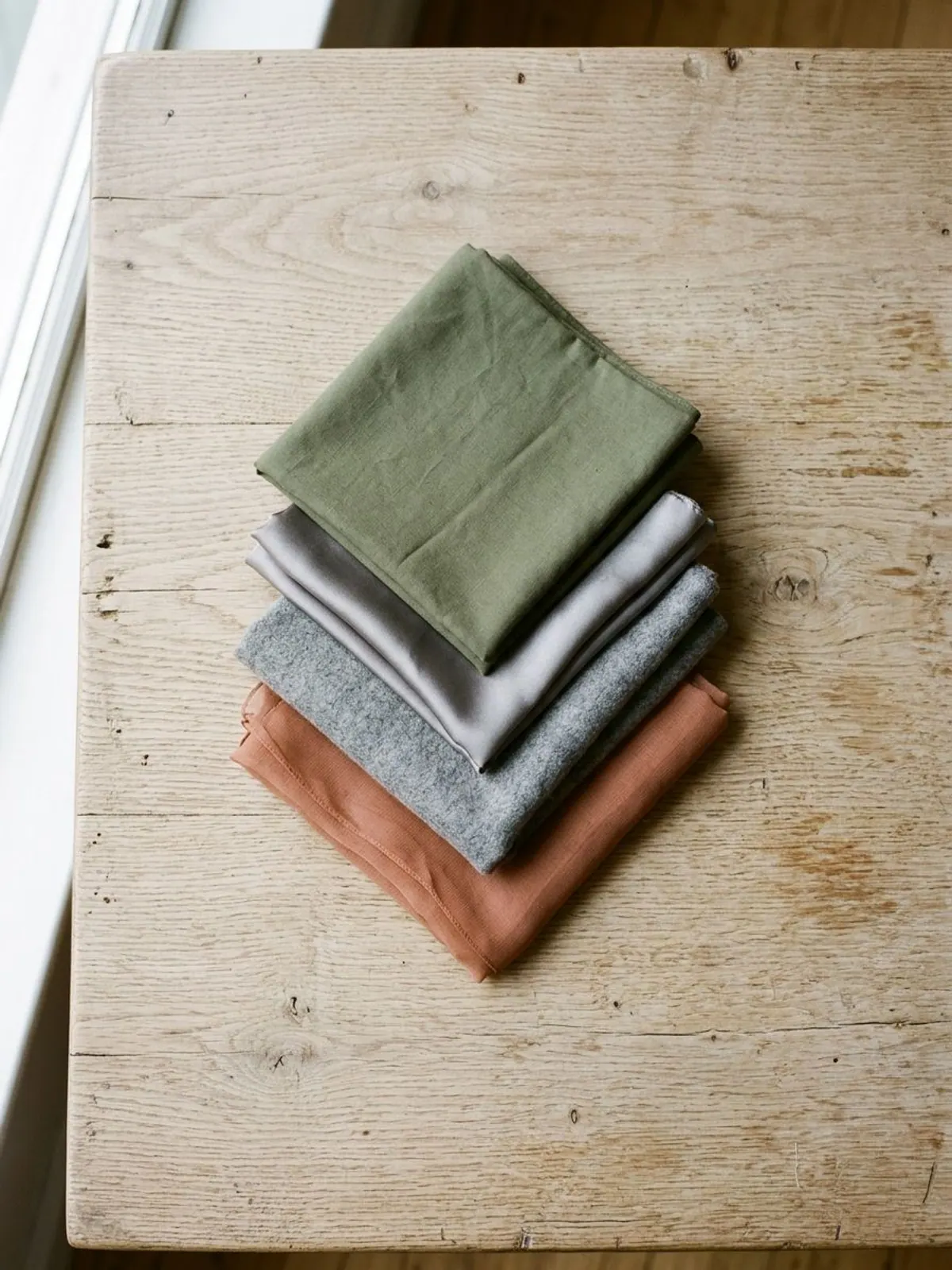
| Cotton | Good | Everyday, errands, hot days | Wrinkles; fold it flat first |
| Lightweight wool or wool blend | Good | Winter, under a coat hood or hat | Can feel warm indoors |
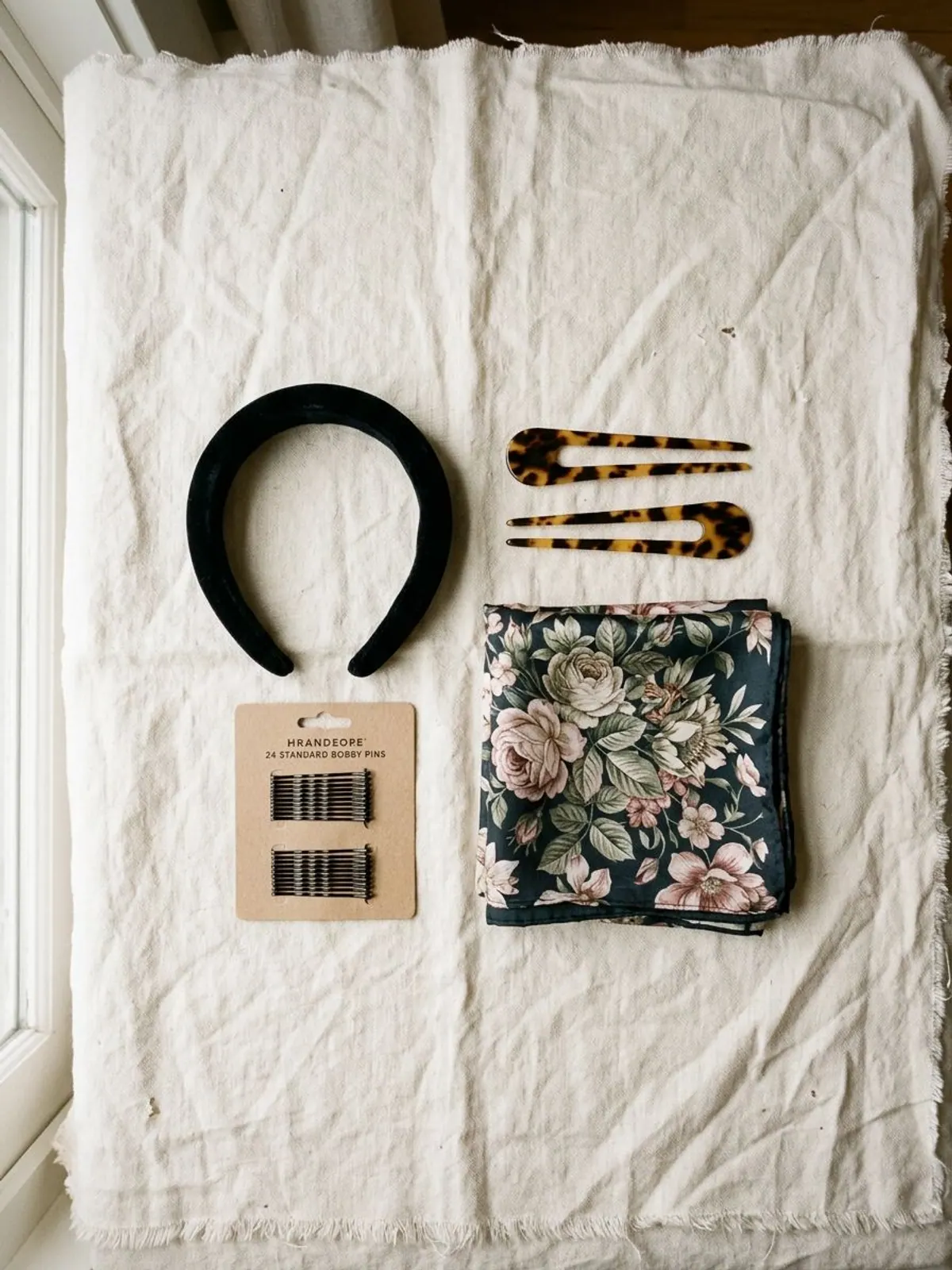
| Silk or satin | Poor | Church, dinners, holiday outfits | Slips; add a velvet band or liner underneath |
| Chiffon or georgette | Fair | Summer, bows and loose twists | Sheer, so it needs a knot that holds |
Sources disagree a little on slip. PureWow says silk and satin slide and cotton or light wool stay put, while the Cancer Society's answer is to add a velvet band or padded liner under the scarf. Both are right: choose a grippy fabric when you can, and add a liner when you want silk.
What You Need for Any Head Scarf Style
What you need
- Start here
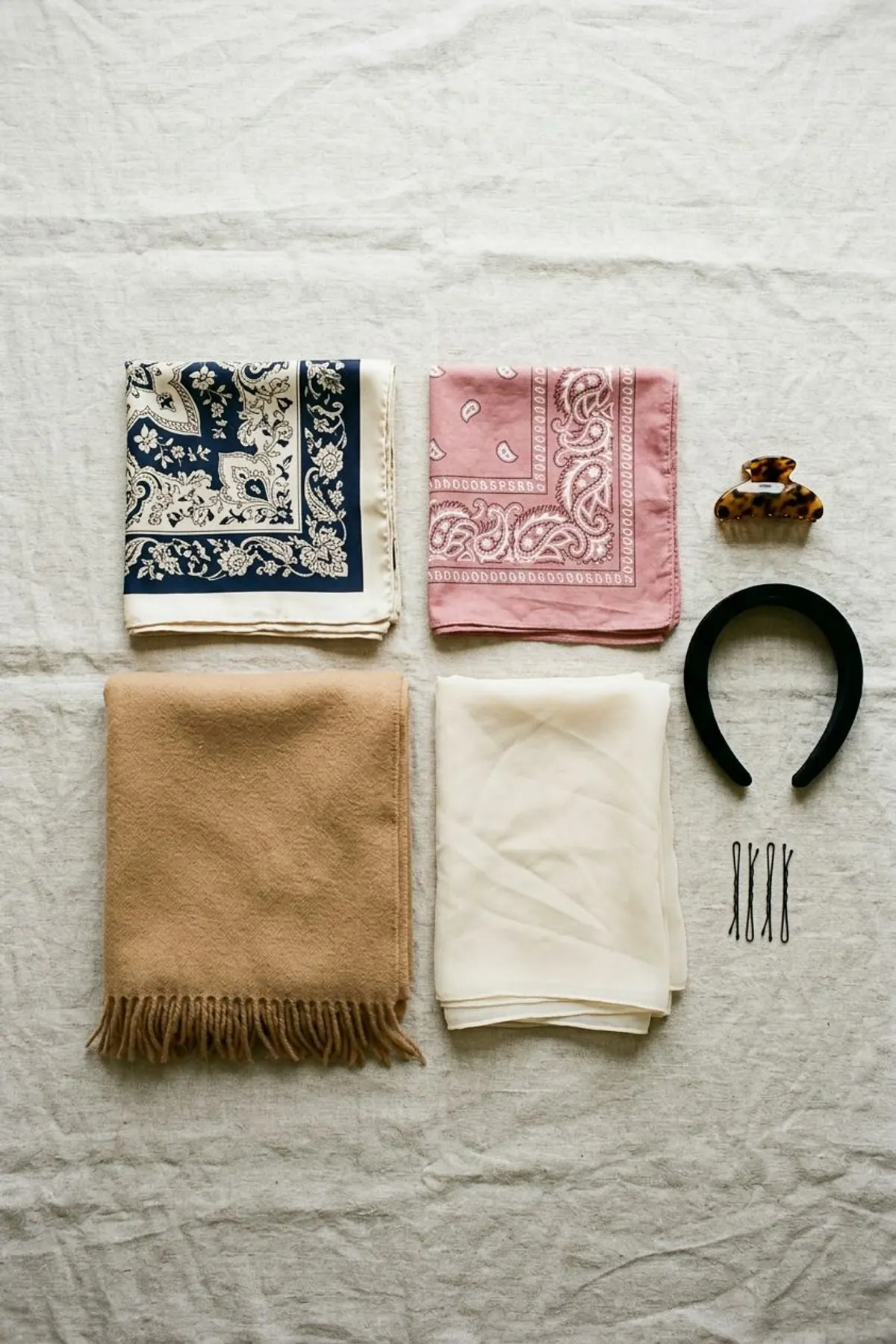
Square cotton or silk scarf, 35 inches
Typically $12 to $50
The base for the triangle, headband and bow styles below.
Check price on Amazon for Square cotton or silk scarf, 35 inches -
Long oblong chiffon or modal scarf
Typically $10 to $30
Makes the turban twist and the wrap with a bow.
Check price on Amazon for Long oblong chiffon or modal scarf -
Velvet grip headband
Typically $8 to $20
Sits under a silk scarf so it stays where you put it.
Check price on Amazon for Velvet grip headband -
Bobby pins in your hair color
Typically $4 to $10
Two or three pins hold a knot at the nape.
Check price on Amazon for Bobby pins in your hair color
Not sure which scarves you already own are worth using? Our guide to accessories for women over 40 in winter covers fabrics that hold up, and the neck scarf guide shows what to do with the same scarves below the chin.
How to Tie a Scarf on Your Head: 8 Styles, Step by Step
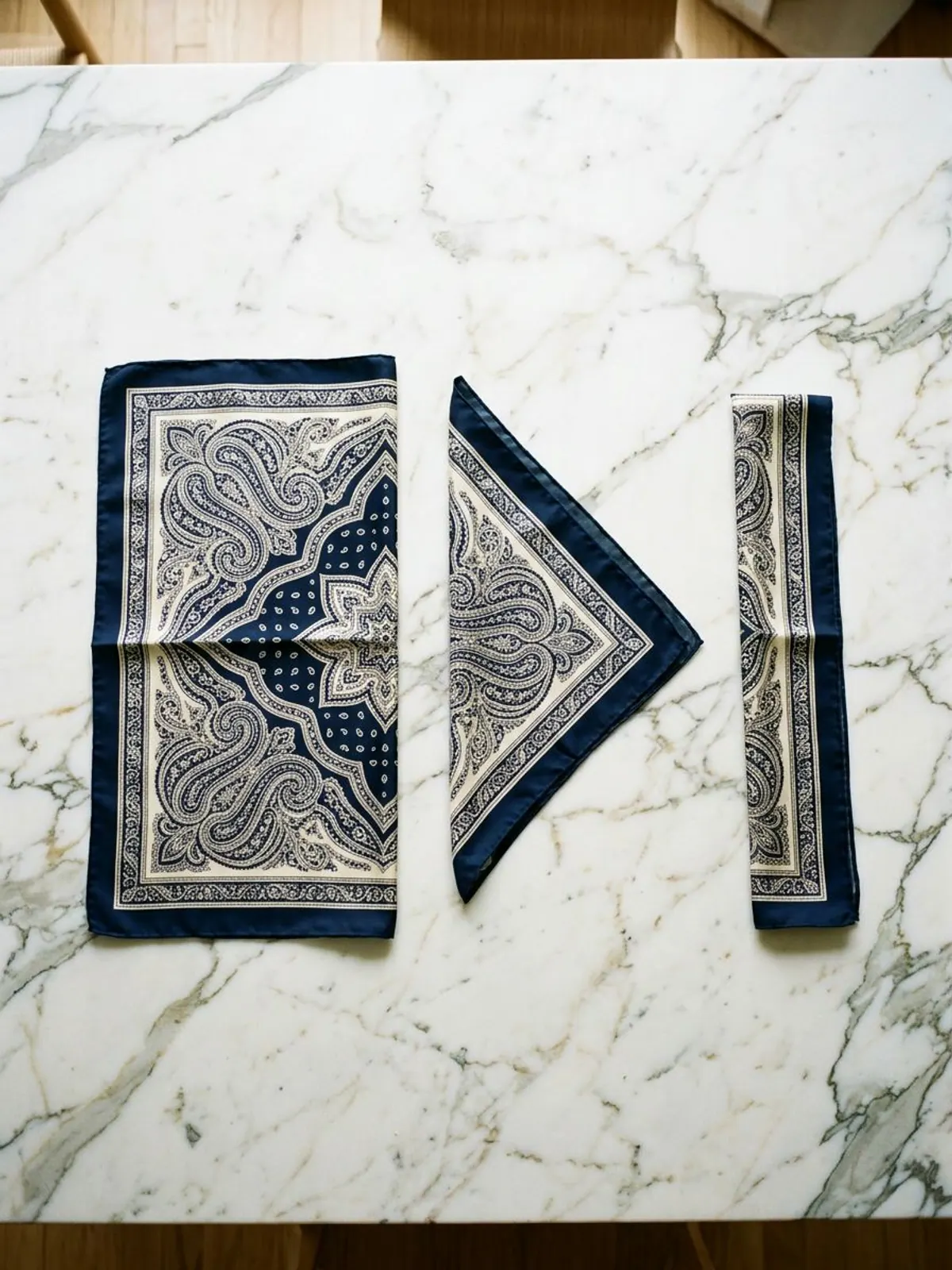
Learn the triangle and the band first. Fold a square corner to corner for the triangle, then keep folding the long edge toward the point for the band, about 2 to 3 inches wide. Every style below starts with one of these.
-
Step 1: Style 1: The triangle tie at the nape (square, 35 inches)
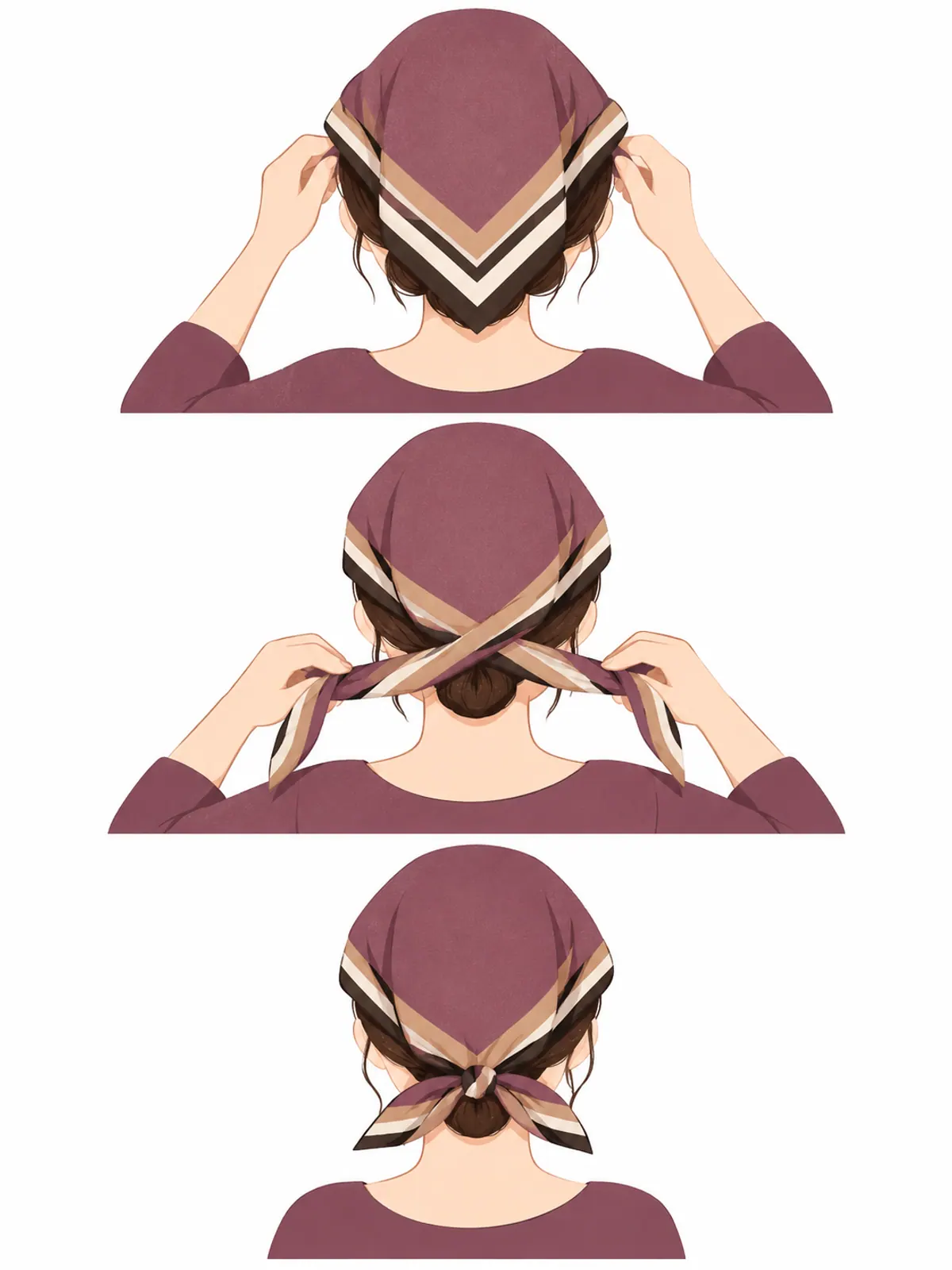
Fold the square into a triangle. Lay the long edge across your forehead just behind the hairline, with the point hanging down your back. Take the two ends behind your head, cross them over the point, bring them back to the front or leave them at the nape and tie a small knot. Tuck the point under the knot. This is the classic and the easiest.
-
Step 2: Style 2: The under-chin tie for wind and church (square)
Fold into a triangle, lay it over your hair with the point down your back, and bring the ends under your chin. Tie a small knot, then tuck the ends in or let them sit on one shoulder. It covers the ears and stays put in wind, which is why it suits a walk to church or a cold parking lot. Use a cotton or wool-blend square, because silk will creep back.
-
Step 3: Style 3: The headband wrap (square or oblong)
Fold the scarf into a band 2 to 3 inches wide. Lay the middle at your nape, bring the ends up over your ears and tie a knot or bow on top, or at one side. Leaves the crown of your hair visible, which makes it the best choice when you want to dress up a ponytail, a bun or a grown-out cut.
-
Step 4: Style 4: The low ponytail wrap (oblong)
Make a low ponytail and tie the oblong scarf around the elastic in a bow, leaving the tails long. Twist the tails around the ponytail for a sleeker version. Nothing covers your hair, so this one is for hair days that are fine but dull.
-
Step 5: Style 5: The turban twist (oblong, 21 by 78 inches)
Lay the middle of the scarf at the back of your neck, bring both ends to the front over your forehead and cross them. Twist each end, wrap them back around the head and tuck them in at the nape. Add a hair pin if it loosens. An oblong gives enough length to twist, and chiffon or jersey wraps more easily than stiff silk.
-
Step 6: Style 6: The bandana at the hairline (square, folded small)
Fold a square cotton scarf into a triangle, then roll the long edge once or twice toward the point. Tie it at the nape with the knot hidden under your hair, with the point staying flat at the back. It keeps hair out of your face on gym or garden days and looks tidy on a casual weekend.
-
Step 7: Style 7: The winter wrap under a hat (wool rectangle)
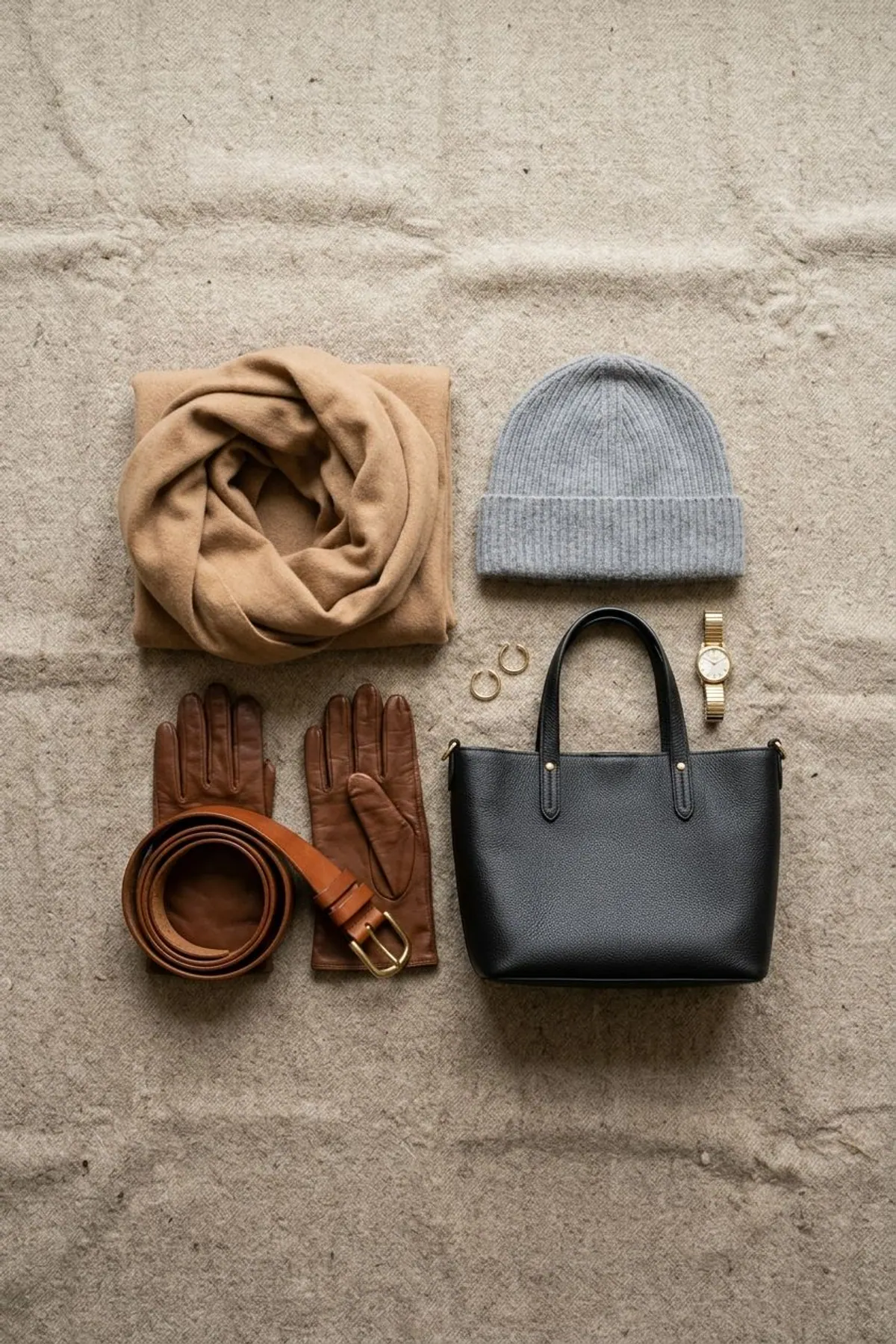
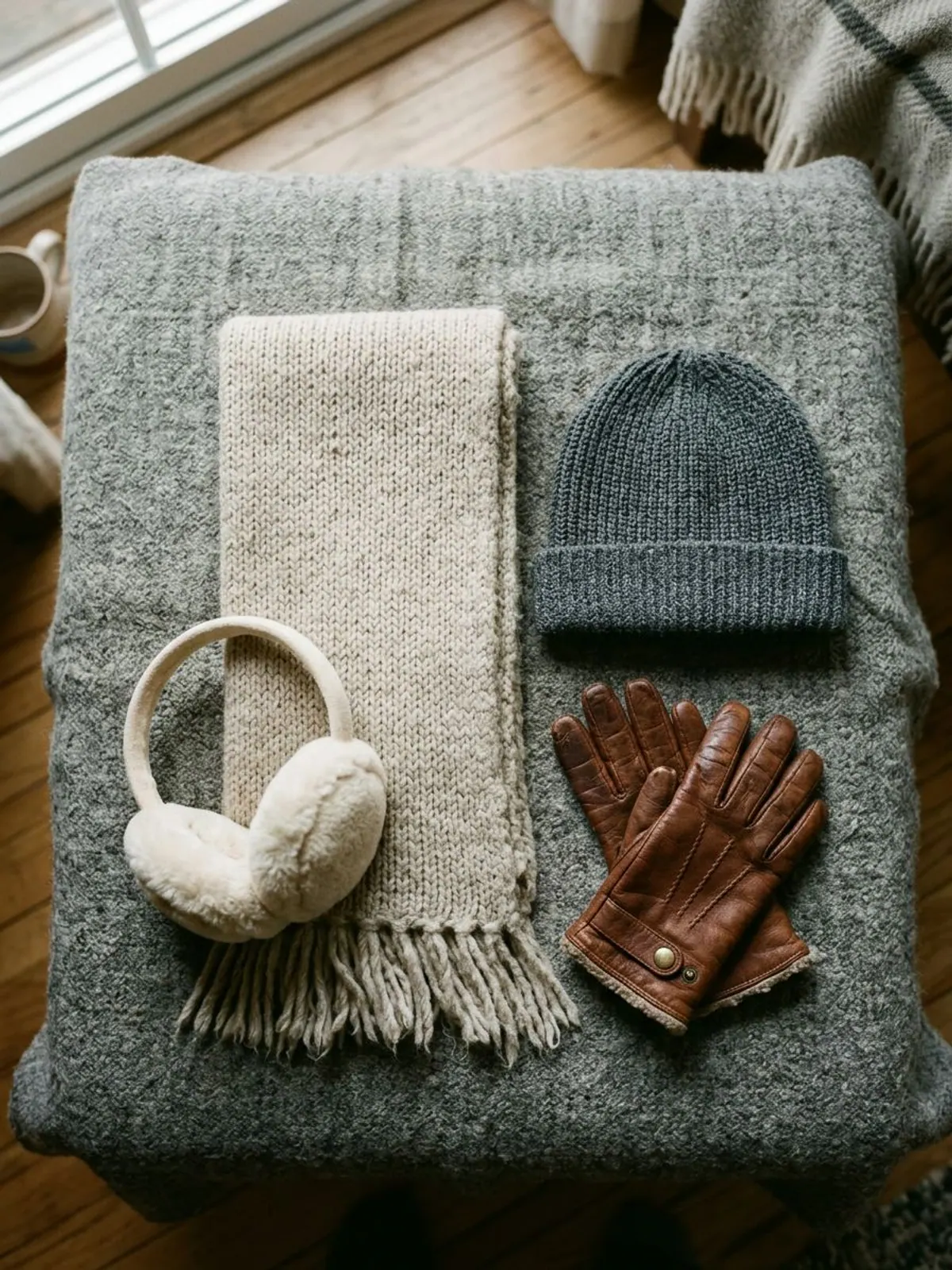
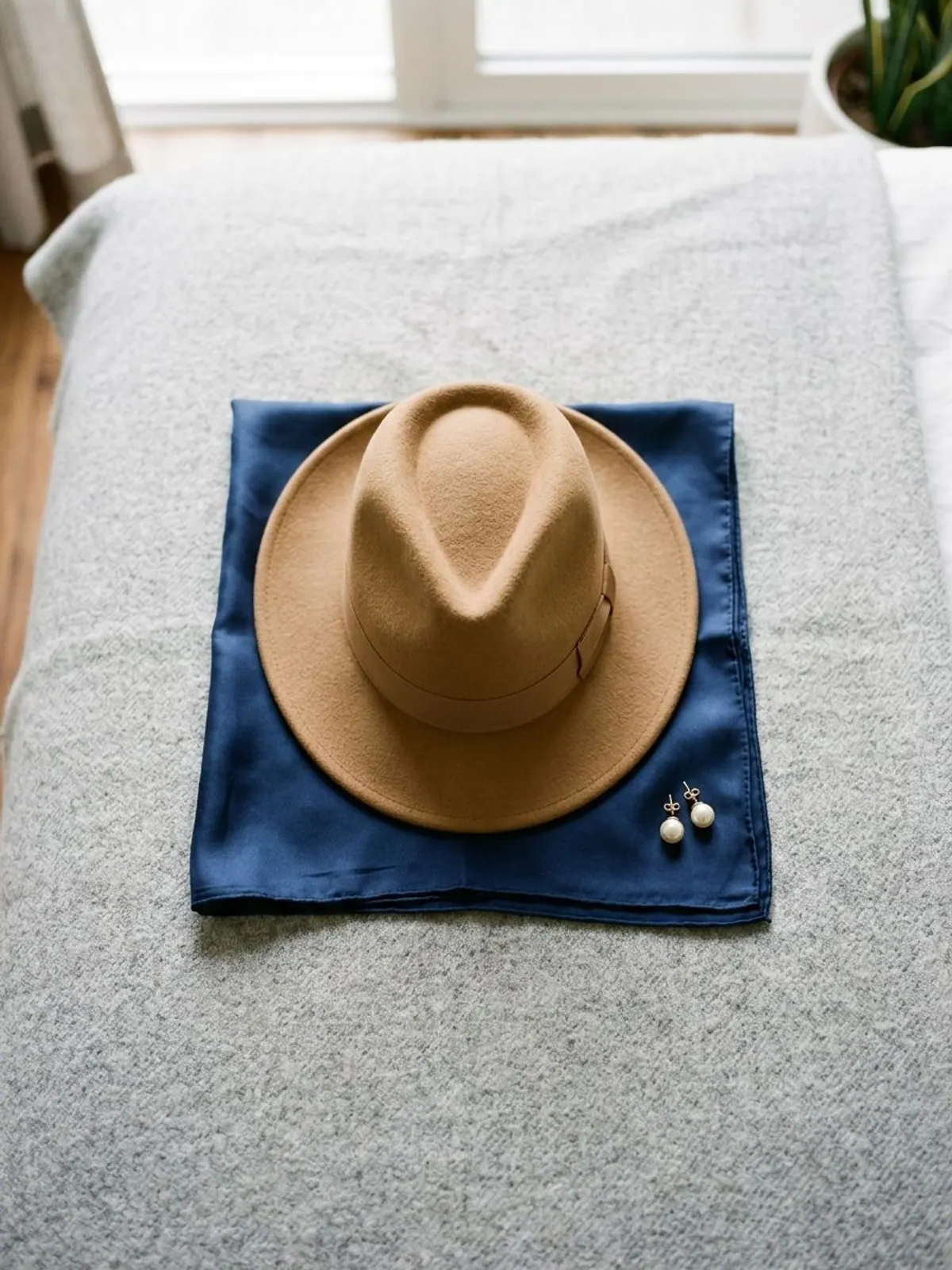
For real cold, wrap a thin wool or fleece scarf over your head and ears, tie it under the chin, then add a beanie or a brimmed hat on top. The Cancer Society notes that a brimmed hat can be worn over a scarf. Advice conflicts here: PureWow suggests thinner fabrics for fit, while warmth calls for wool. Use the thinnest warm layer you can, so the hat still sits properly.
-
Step 8: Style 8: The bow on top (square folded to a band)
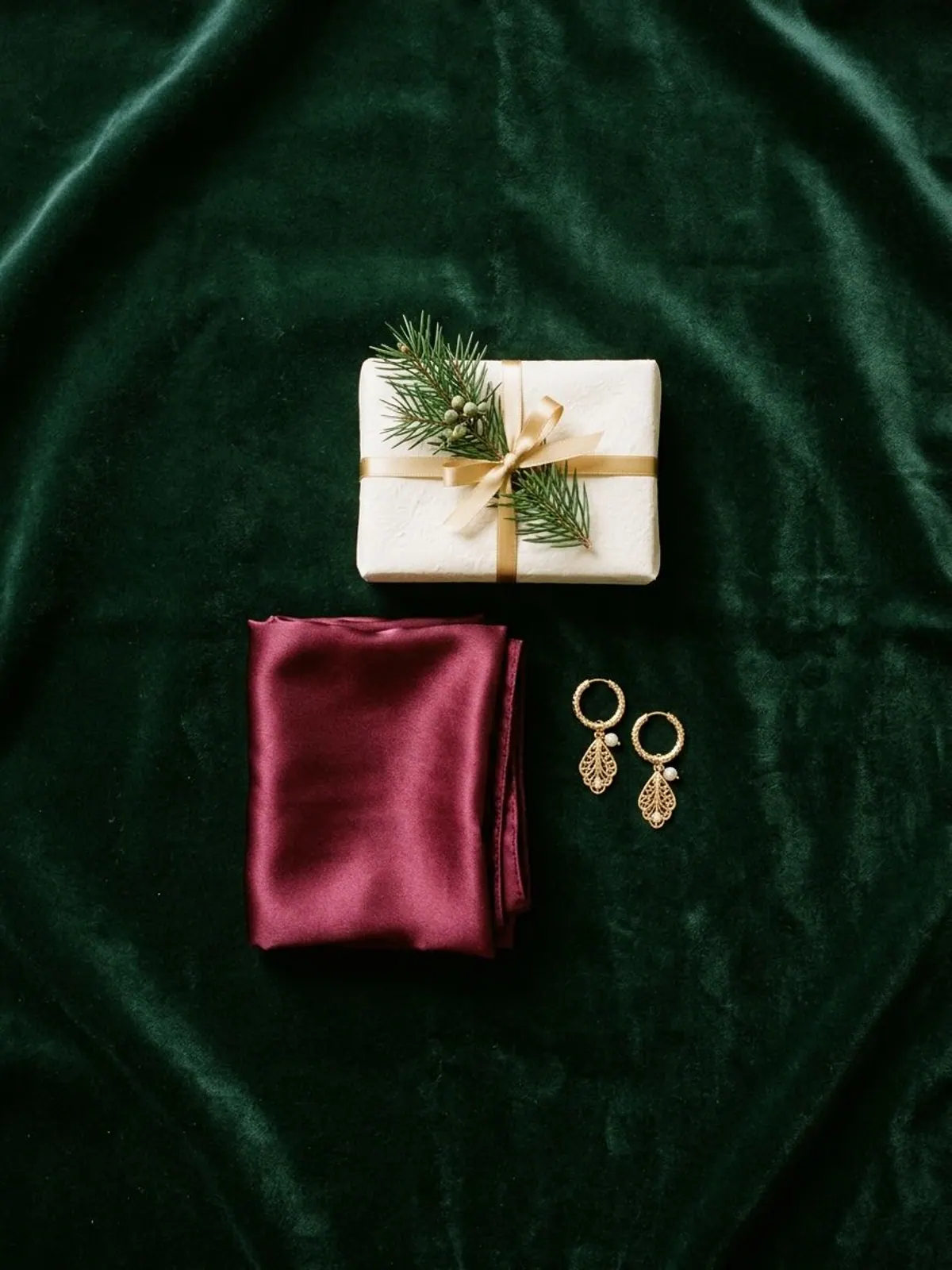
Fold a band, lay it across the back of your head, cross it behind the crown, and tie a flat bow on top or slightly off-center. Keep the loops small, since a big bow can read as costume. In satin or silk it works with a holiday dress, and with a velvet band underneath it will stay put.
Which Style for Which Occasion After 50
| Occasion | Try | Fabric | Pair with |
|---|---|---|---|
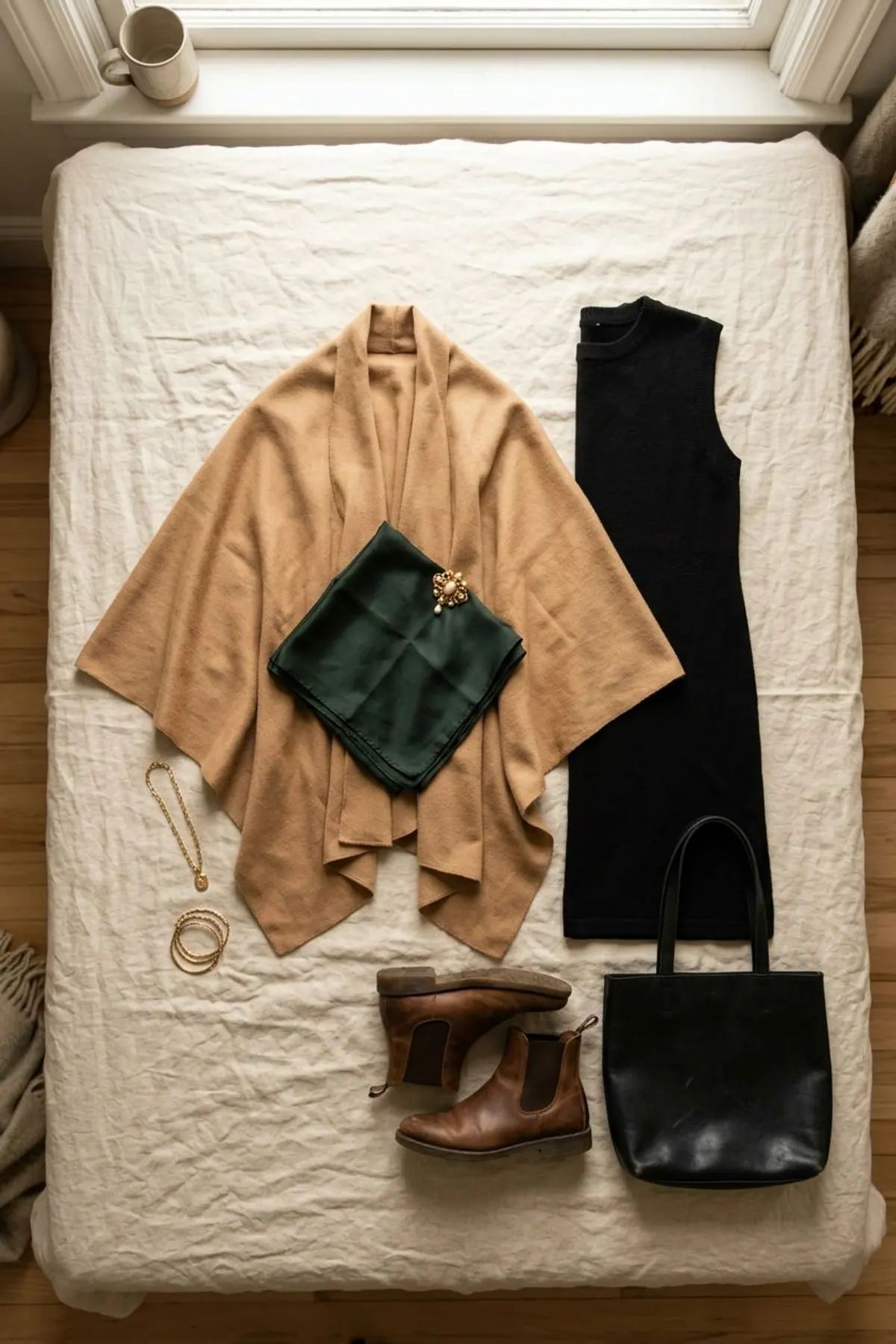
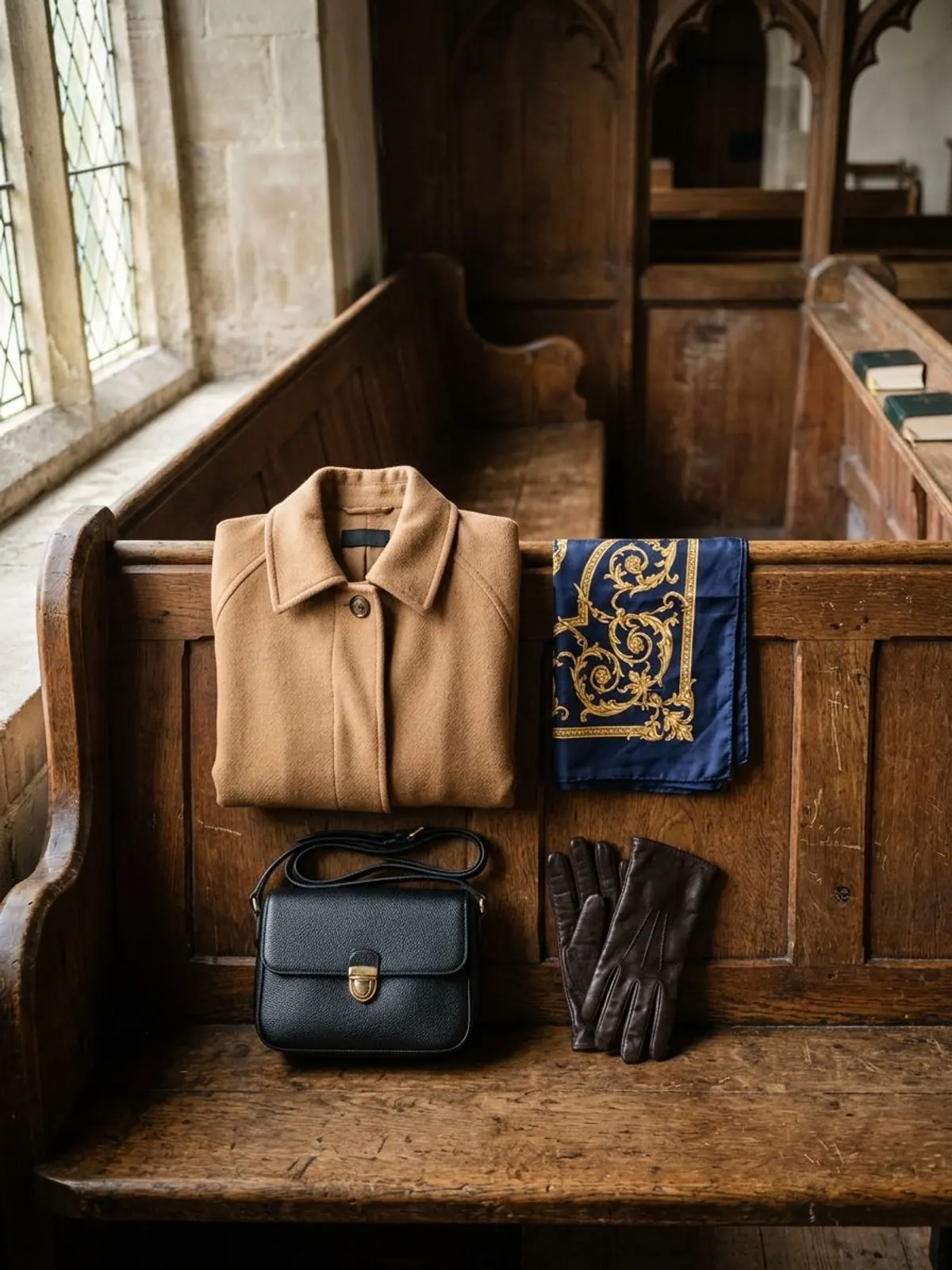
| Church or a service | Style 1, 2 or 8 | Cotton blend, light wool, matte silk | A coat in camel, navy or charcoal and low heels. Check what your own congregation wears. |
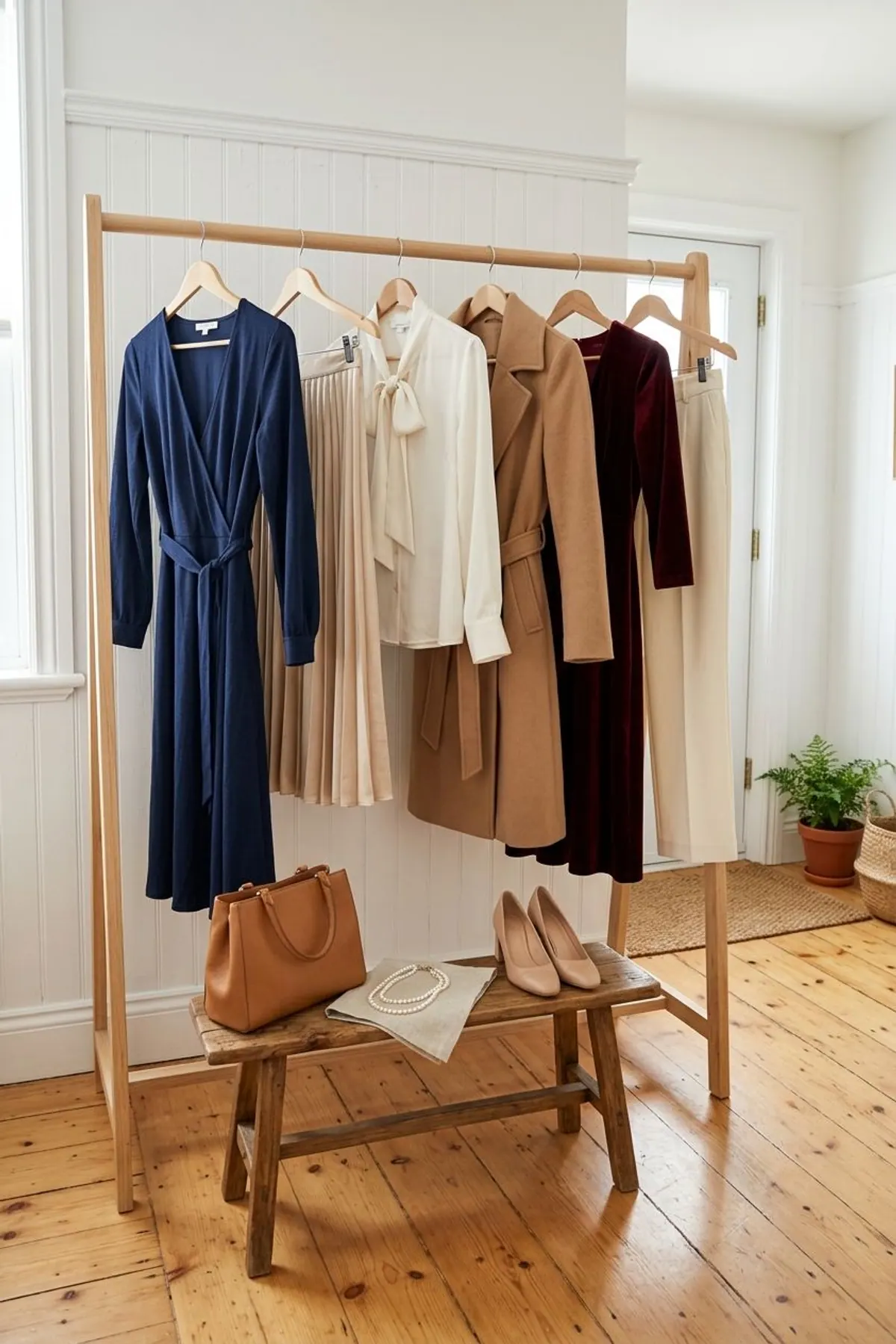
| Holiday dinner | Style 3 or 8 | Satin or velvet ribbon | Gold earrings and a wrap dress; see Christmas Eve outfits over 50 |
| Winter errands | Style 2 or 7 | Wool or fleece | A long coat and boots; see layering for cold weather |
| Bad hair day | Style 4 or 6 | Cotton | Jeans, a white tee and a blazer |
| Between colouring | Style 1 or 3 | Any, in a color near your hair | Covers a growing-out part; see gray hair blending |
Sixty and Me, writing for women over 50, frames scarves as a cheap, versatile accessory that can also cover roots, and shows three styles: a top knot, a side swept wrap and a wide headband. Pick the one that matches your neckline. If you wear a high collar or turtleneck, keep the knot at the nape, not under the chin.
Wearing a Scarf Because of Hair Loss or Thinning
Some readers reach for a scarf because their hair is thinning or has fallen out, and the chip "for chemo" shows up in Pinterest searches for this topic. We are not medical experts, so this is only what a published guide says, not advice about your care. If you are in treatment, your care team can point you to local resources.
The American Cancer Society's guide lists a velvet undercap or headband, or a padded scarf liner, to keep a scarf from slipping, a scarf volumizer to give the look of fuller hair, and a brimmed hat worn over the scarf. It also gives square styles (square knot, bow, ponytail, small rosette bun) and oblong styles (basic wrap, large rosette, double twist). Whatever you choose, pick a fabric that feels comfortable against your skin.
Mistakes That Make a Head Scarf Look Fussy
Before you leave the house

Variations: Hat Over Scarf, Sleeping and Work
For work, a small cotton or silk-blend square in a muted print at the nape reads polished with a blazer. Keep colors close to your outfit and skip anything that needs adjusting during meetings. Our blazer outfits for women over 40 show what to wear it with.
Sleeping is a different job. Searches ask about tying a scarf on your head to sleep, and the usual advice is a satin or silk scarf tied loosely so it does not pull at the hairline. Treat that as a hair-care tip rather than a medical one, and see a professional for scalp problems.
Frequently asked questions
How do you tie a scarf on your head in winter?
Use a thin wool or fleece scarf folded into a triangle, tie it under the chin or at the nape, then add a beanie or a brimmed hat on top. The Cancer Society says a hat can go over a scarf.
How do you tie a head scarf with a ponytail?
Make a low ponytail, tie an oblong scarf around the elastic in a bow and let the tails hang. For a headband look, fold a square into a band and tie it under the ponytail at the nape.
How big should a head scarf be?
The American Cancer Society suggests squares of 35 inches or more and oblongs of about 21 by 78 inches. PureWow says a square covering most of the head should be at least 28 by 28 inches.
How do I keep a silk head scarf from slipping?
Wear a velvet headband or padded liner under it, add two bobby pins behind the ears, or choose cotton or lightweight wool, which grip better than silk or satin.
How do you tie a scarf on your head with a bow?
Fold a square into a band, lay it across the back of the head, cross it behind the crown and tie a small flat bow on top or slightly to one side.
Can I wear a head scarf to church?
Often yes, but customs differ by congregation. A triangle tie at the nape or under the chin in cotton or matte silk is a common choice; ask your own church if you are unsure.
Save it for later
Pin this to your Accessories board so it's there when you need it.
Save to Pinterest