Key takeaways
- A full closet with nothing to wear is a mismatch between the clothes and your life, not a shortage of clothes.
- Your 10 most-worn pieces show what your real wardrobe is, so build from those.
- Three plain words, one gap piece and three finished outfits end the morning scramble.
- Write one specific buying rule before you buy anything new.
- If you like a piece on the hanger but take it off within an hour, check fit before style.
In this post11 sections
- Why Do You Have Nothing to Wear When Your Closet Is Full?
- Step 1: Which 10 Pieces Do You Wear Most?
- Step 2: What Three Words Do Those Pieces Share?
- Step 3: What Is the One Gap in Your Closet?
- Step 4: How Do You Build Three Outfits From What You Own?
- What to Wear When You Have Nothing to Wear in Winter?
- Step 5: What One Rule Do You Write Before You Buy Anything?
- What Can You Do Tonight in 10 Minutes?
- Is It a Fit Problem, Not a Style Problem?
- Put It on Paper: The Personal Style Reset Workbook
- FAQ
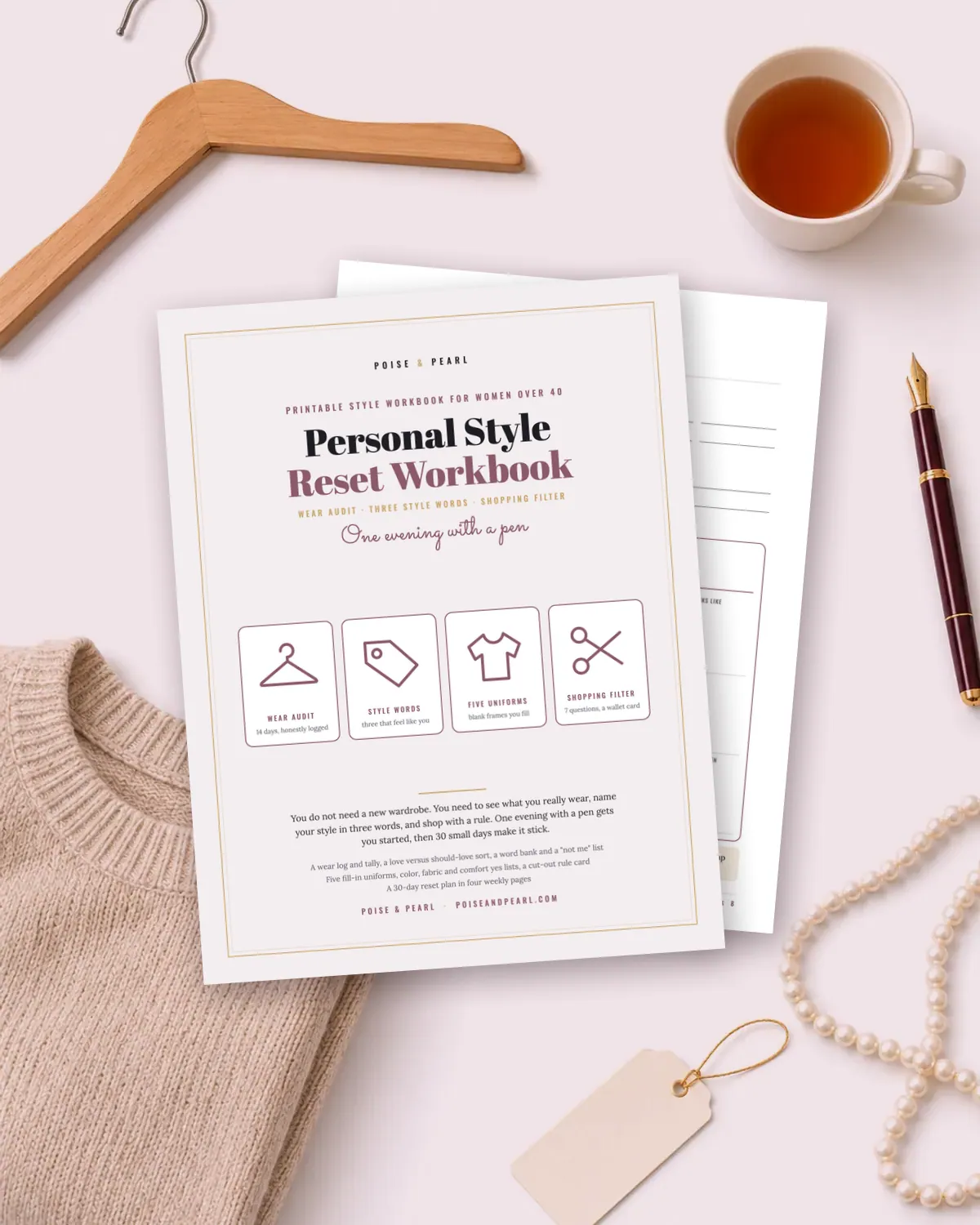
If you have a full closet and still nothing to wear, the Personal Style Reset Workbook ($9) is the printable version of this reset: a 14-day wear log, a style word bank, five outfit uniform pages and a 7-question shopping filter, so the plan ends up on paper instead of in your head. Everything below also works with a notebook and a pen.
Why Do You Have Nothing to Wear When Your Closet Is Full?
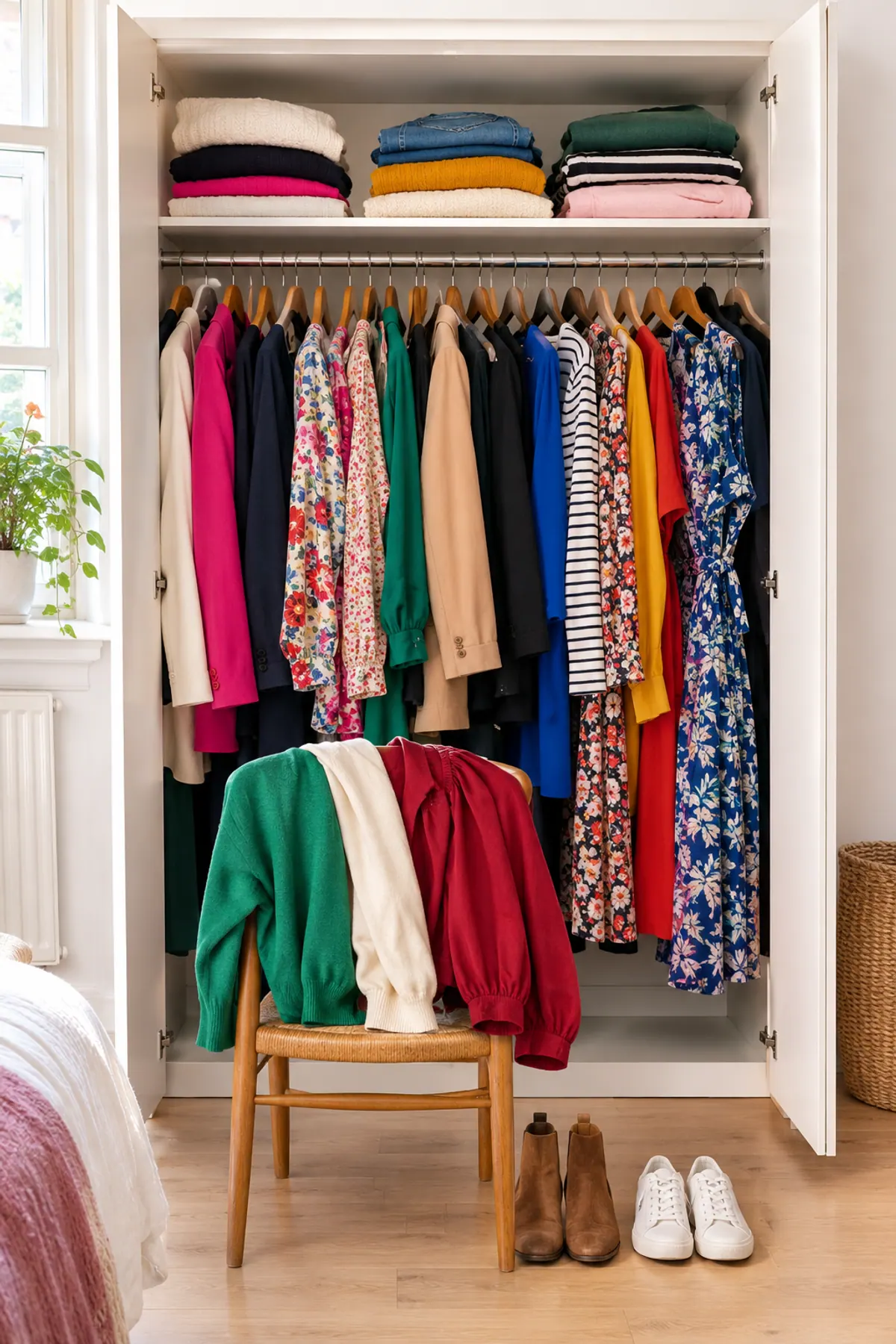
Because a closet is a record of past decisions, and you get dressed in the present. You bought for a job you left, a body that has changed shape or a climate you have moved away from, and many of those pieces do not connect to each other. Each morning you scan the rail, find no outfit that comes together in two minutes, and say the sentence. That is a mismatch between the closet and the life, not a shortage of clothes.
| What it feels like | Real cause | Step that fixes it |
|---|---|---|
| Half the rail is for a life you no longer live | Old pieces crowd out current ones | Step 1 |
| Nothing looks like it belongs together | The pieces share no color, shape or fabric | Step 2 |
| Every outfit needs one thing you do not own | One missing piece | Step 3 |
| Too many options and no outfit | Decision overload | Step 4 |
| New things never join up with the rest | No buying rule | Step 5 |
Work the steps in order. Each takes 10 to 20 minutes, so one evening covers all five. If you already suspect the trouble is how your clothes sit on you, go straight to the fit section first.
Step 1: Which 10 Pieces Do You Wear Most?
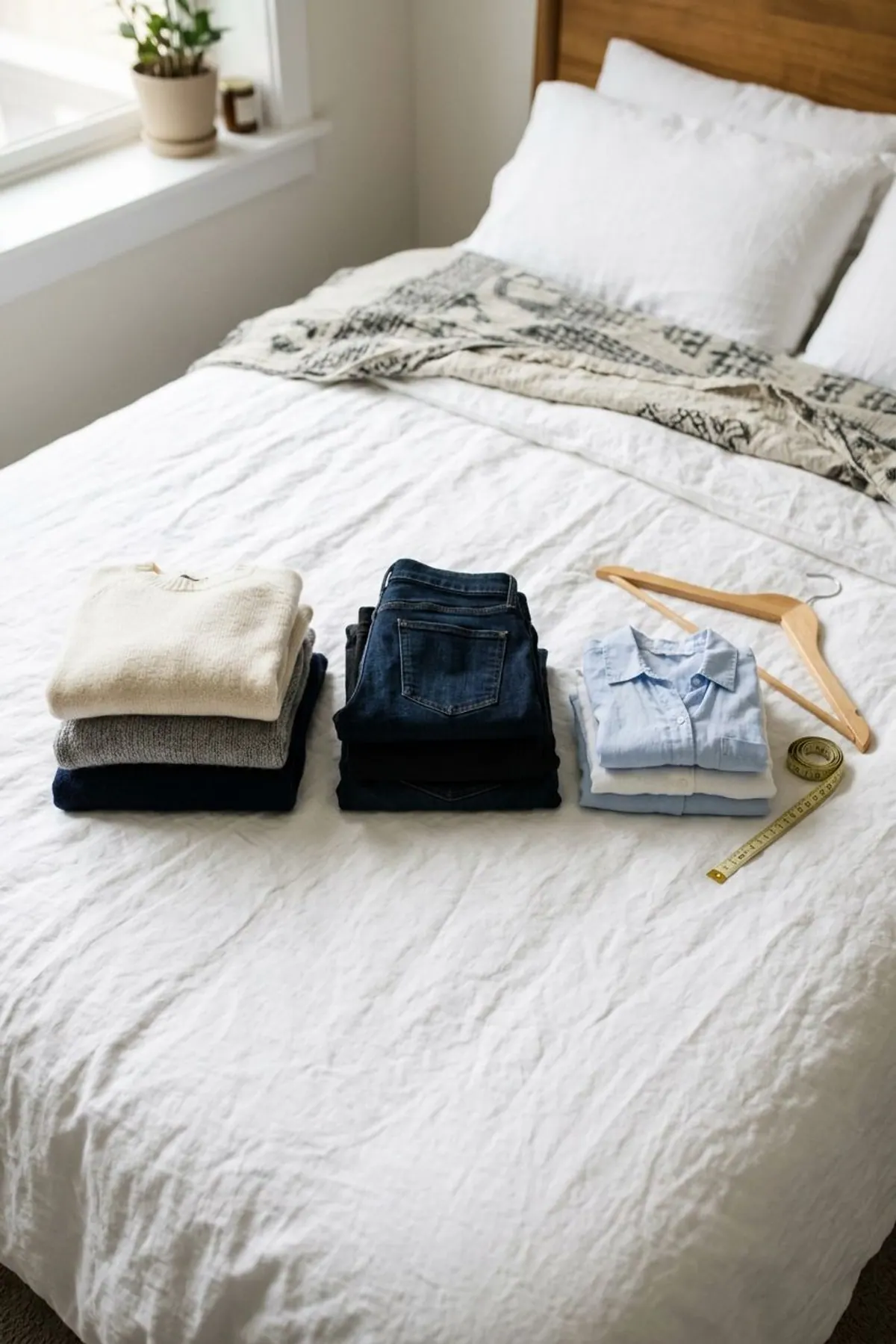
Pull the 10 pieces you have worn most in the past month and lay them on the bed. Use evidence, not memory: check the laundry basket, the clean pile at the end of the bed and the last two weeks of phone photos. Count shoes and jackets as pieces. Ten is a round number, not a rule, so stop when the repeats run out.
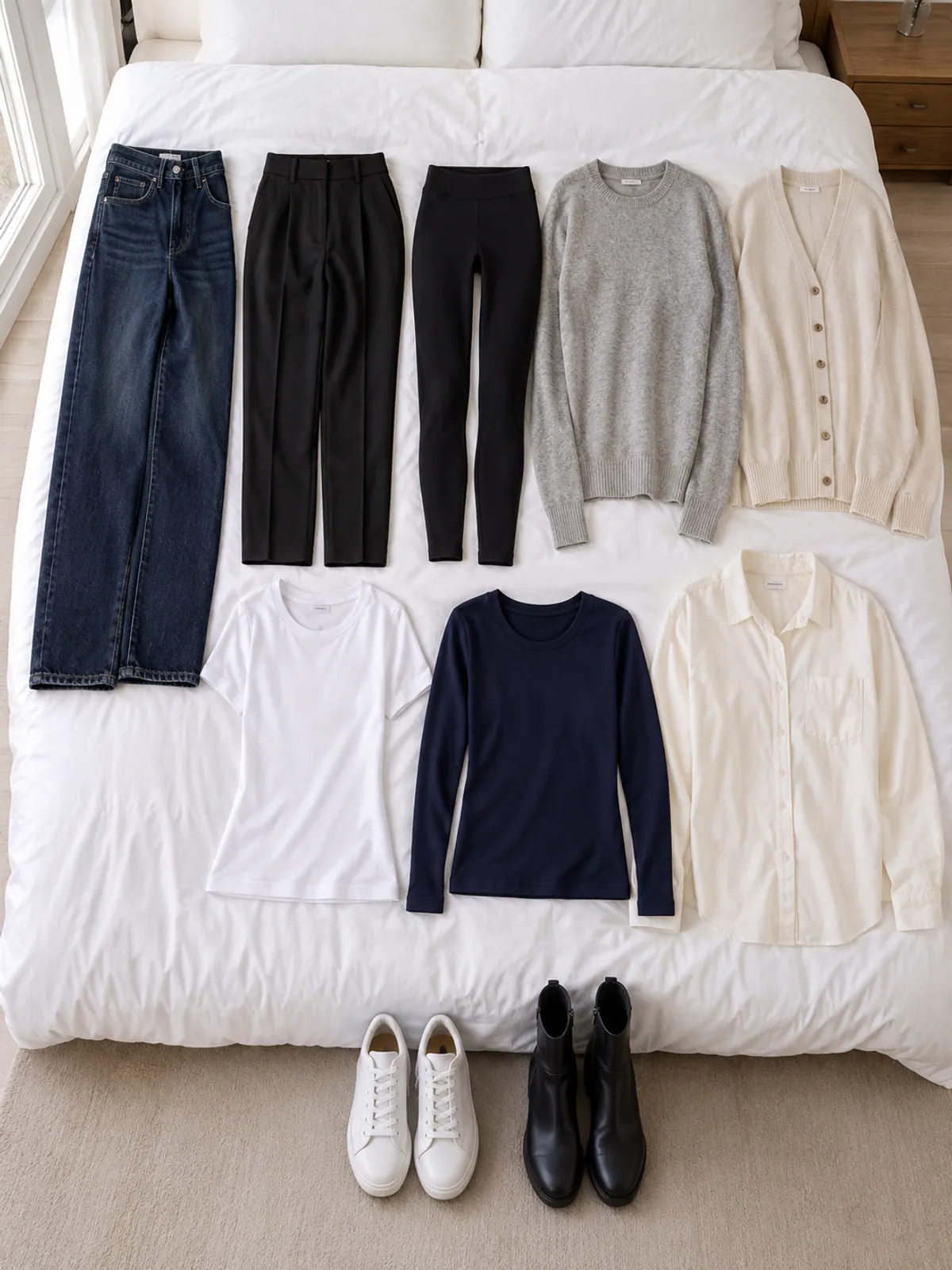
Look at the bed. These pieces are your real wardrobe, the ones that already pass the tests that matter: they are comfortable, they fit your days and you reach for them without a fight.
Step 2: What Three Words Do Those Pieces Share?
Look across the 10 and ask what keeps repeating: a soft knit, a straight leg, a dark neutral, a clean line. Write three plain words on a piece of paper. They do not need to be clever, only true. If you want to test them over two weeks, the word bank and 14-day wear audit are in our guide to finding your personal style after 40. For tonight, three honest words are enough.
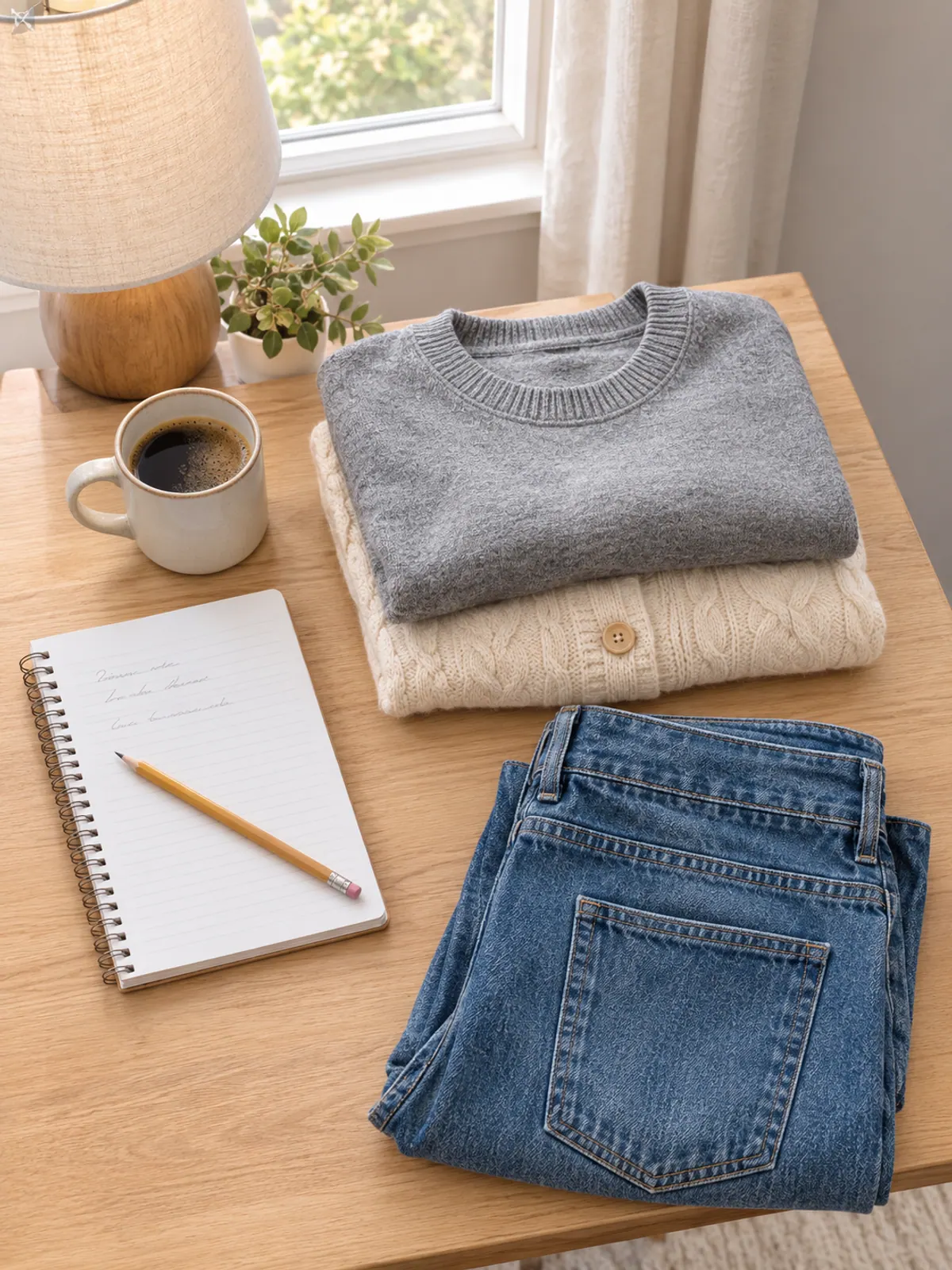
Here is a worked example. Marian is a made-up example, not a reader. She is 54, works in an office three days a week and walks most mornings. These are her 10 most-worn pieces.
| Piece | Color | Shape or fabric |
|---|---|---|
| Dark straight jeans | Dark blue | Straight leg |
| Black trousers | Black | Pleated, straight leg |
| Black leggings | Black | Stretch knit |
| Gray crew knit | Gray | Soft, fine knit |
| Cream cardigan | Cream | Soft knit, buttons |
| White tee | White | Plain jersey |
| Navy long-sleeve tee | Navy | Plain jersey |
| Cream shirt | Cream | Soft, button front |
| White sneakers | White | Flat, lace-up |
| Black ankle boots | Black | Low block heel |
Her three words: soft, straight, neutral. Everything on her bed is a knit or a straight line in a dark or quiet color, which explains why the brightly printed blouses on her rail stay on their hangers.
Step 3: What Is the One Gap in Your Closet?
A gap is one missing piece that would make at least three of your outfits work. It is not a shopping list. Hold your three words beside the rail and ask what your outfits keep reaching for that you do not own. Often it is a layer, a shoe or a jacket, the piece that finishes an outfit rather than starts one.
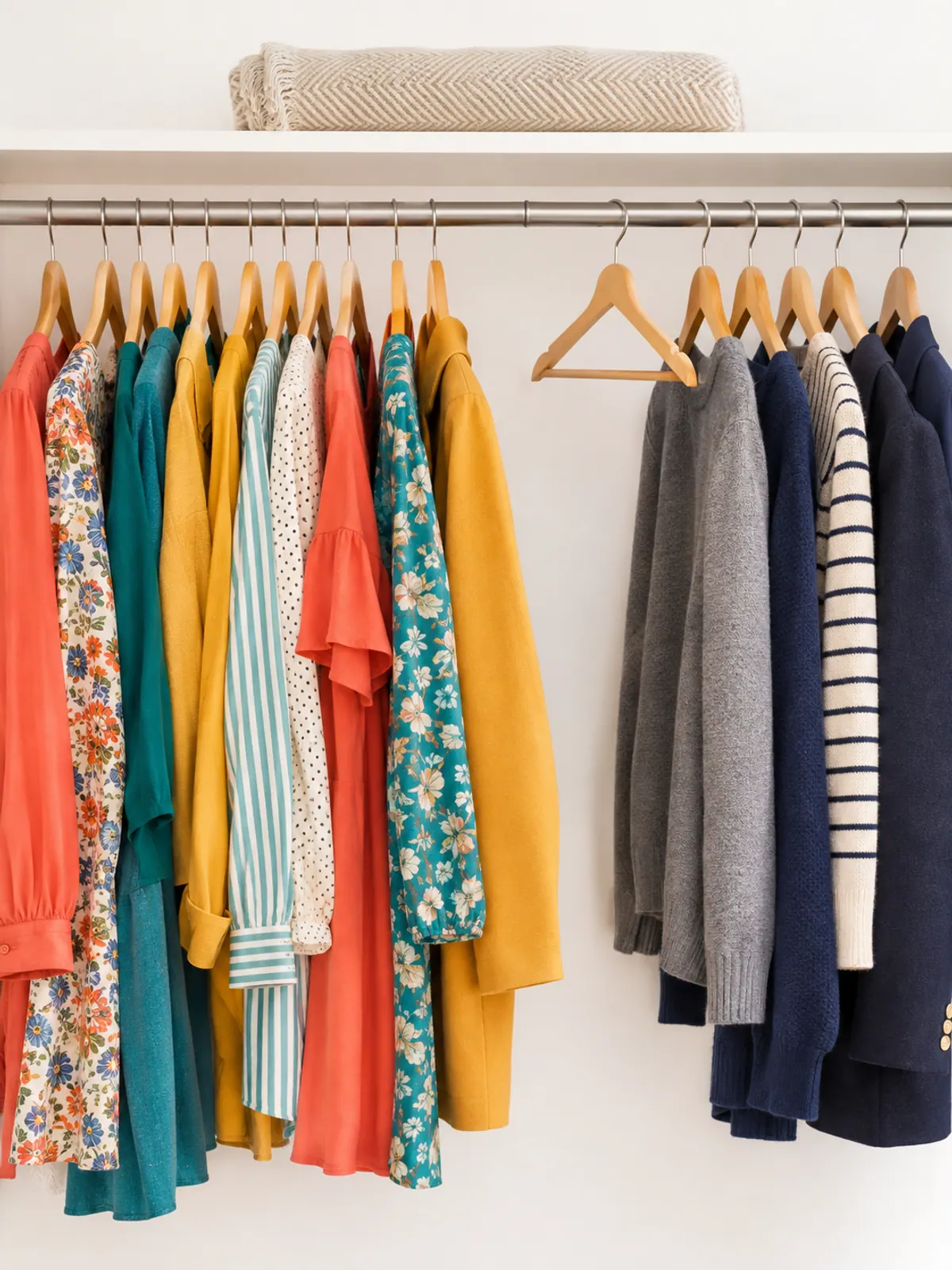
Marian's gap is a dark, hip-length jacket. Her knits, shirt and tees are covered, but when it is cold she has no top layer that matches soft, straight and neutral, so she reaches for a bulky coat or skips the outfit. A navy jacket would work over four of her pieces: the gray knit, the cream shirt, the navy tee and the white tee.
The gap test
Step 4: How Do You Build Three Outfits From What You Own?
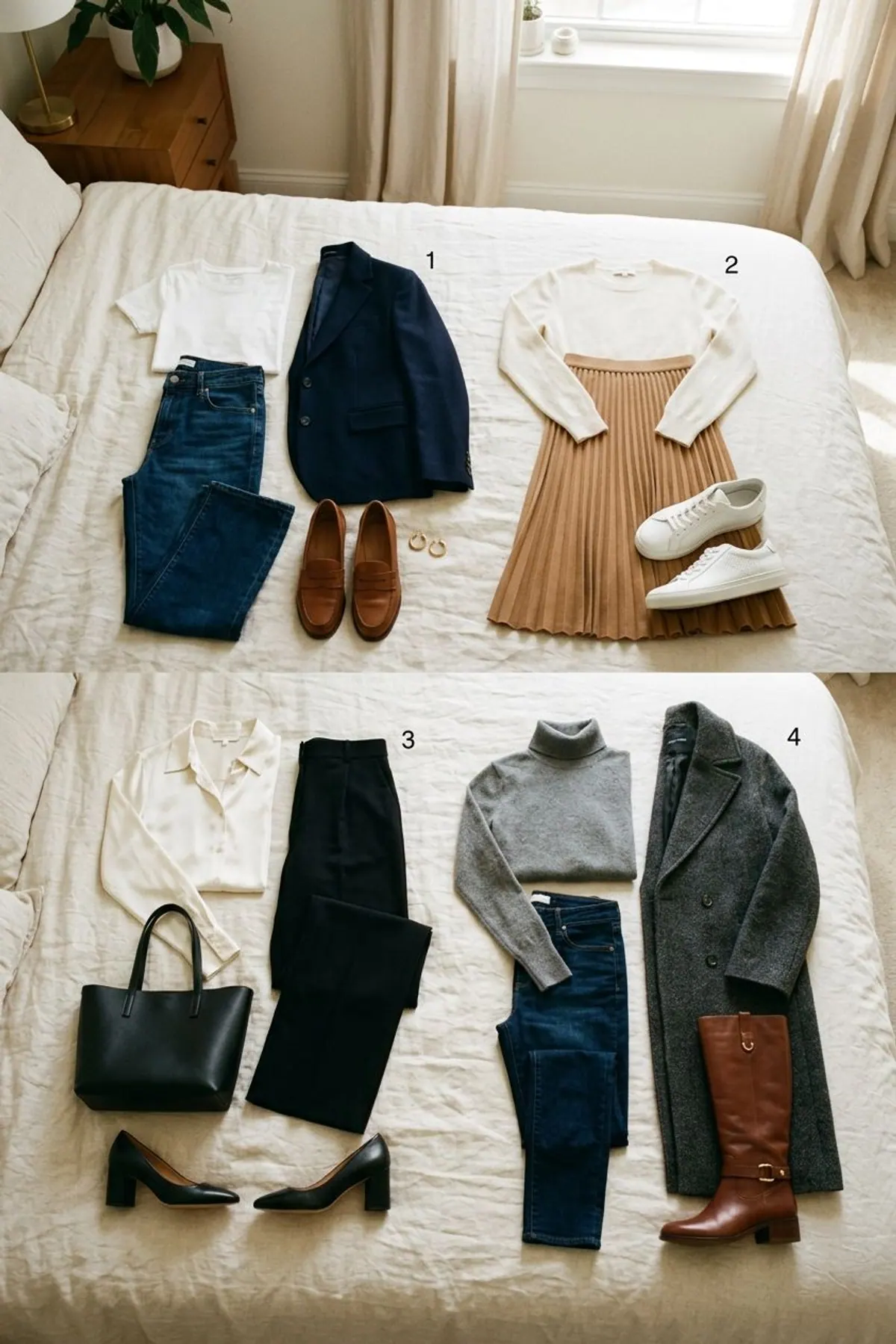
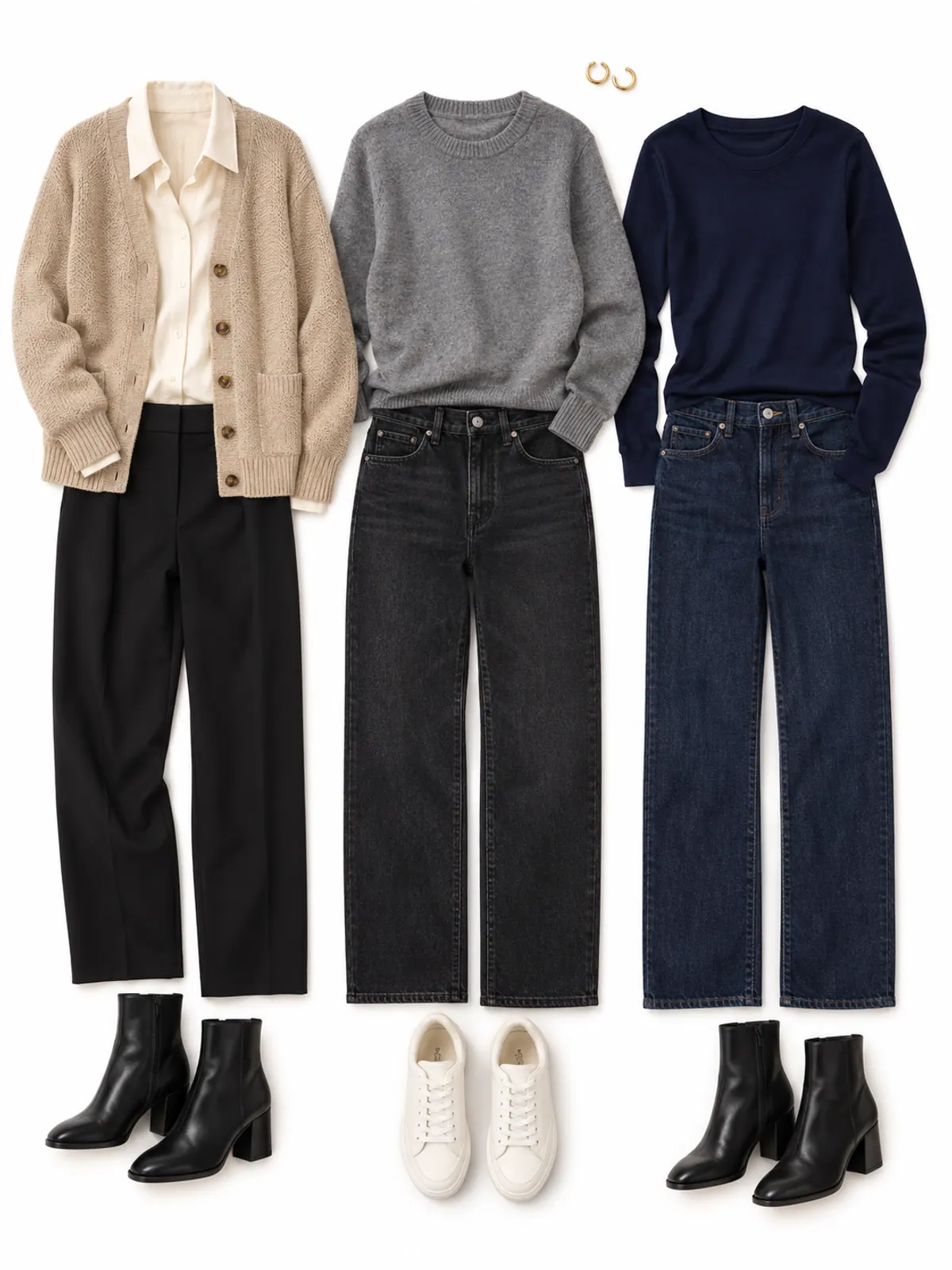
Build three outfits on the bed using only your 10 pieces, plus the gap piece as an imaginary one if you want. Make one for work or errands, one for a relaxed day and one for an evening out. Photograph each. Three finished outfits end the morning scramble, because you start from a look you have already put together instead of from the whole rail.
| Outfit | Pieces | Use it for |
|---|---|---|
| 1 | Black trousers, cream shirt, cream cardigan, black ankle boots | Office days |
| 2 | Gray knit, dark jeans, white sneakers | Weekends and walks |
| 3 | Navy long-sleeve tee, dark jeans, black ankle boots, gold hoops | Dinner or a day out |
The three outfits use 8 of her 10 pieces (black trousers, cream shirt, cream cardigan, ankle boots, gray knit, dark jeans, white sneakers and the navy tee). The white tee and leggings stay as layers and home wear. Two outfits repeat the same jeans, and that is the point: repeating a good piece is what a working wardrobe looks like. For more combinations to try, see our list of outfit formulas women over 40 always use.
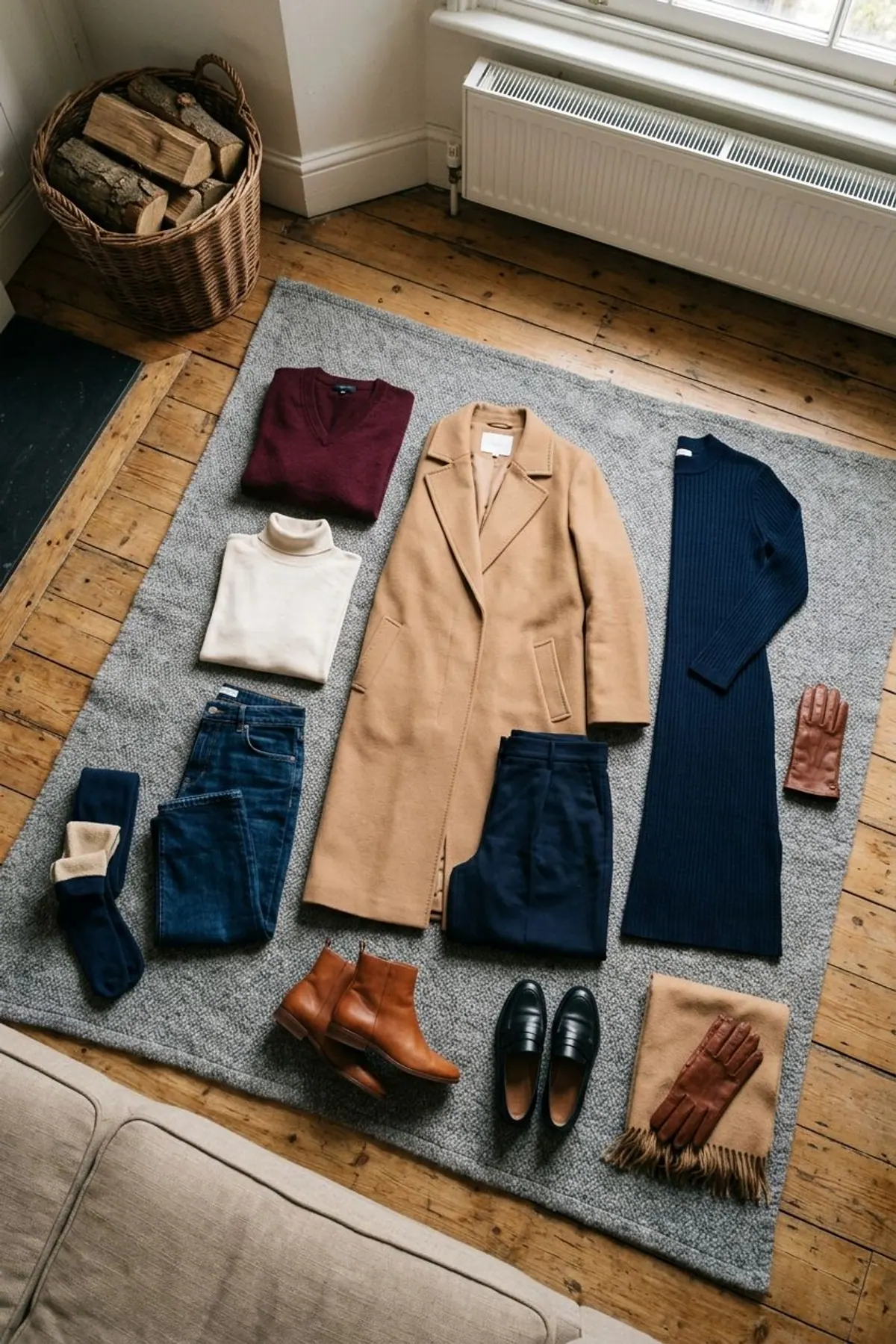
What to Wear When You Have Nothing to Wear in Winter?
Use the same steps, then add layers. In cold weather, outfit 1 or 2 gets warmer by stacking: a thin tee under the knit, the cardigan or your gap jacket on top and boots for every outfit. Our guide to January outfits for women over 40 lists cold-weather formulas built from the same kind of basics, and our closet clean-out plan helps if the rail needs thinning before you start.
Step 5: What One Rule Do You Write Before You Buy Anything?
Write one buying rule on an index card and keep it with your phone. It has to be specific enough to say no. Good examples: "I buy a piece only if I can name three things I own it goes with today," or "No new tops until the jacket is bought." A vague rule such as "buy less" fails in the shop, where the sale tag does the talking.
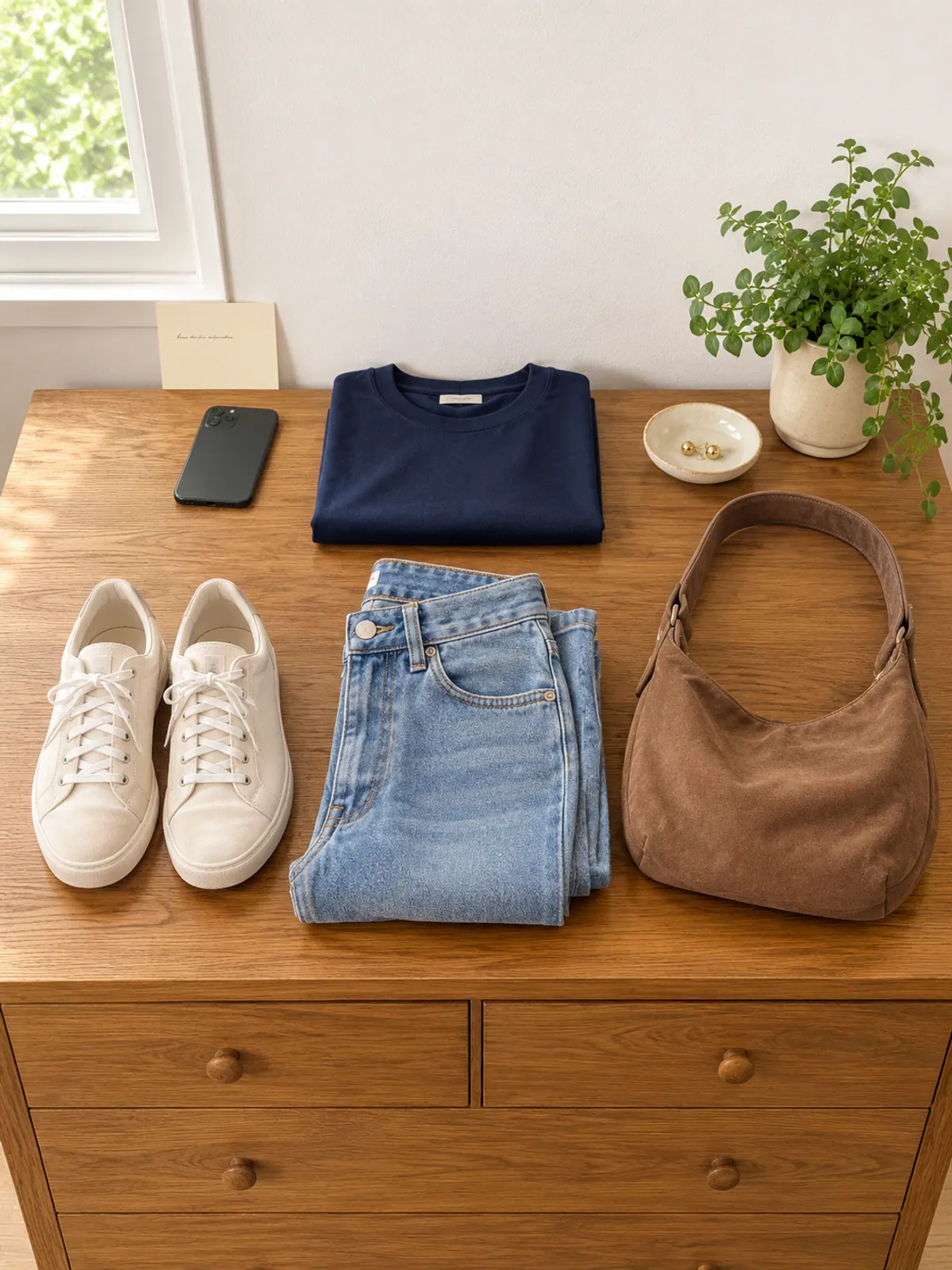
Marian's rule is "nothing new unless it makes at least three of my outfits work and shows soft, straight or neutral." It turns down a bright printed blouse on sale and says yes to the jacket. If you want a longer test than one rule, the 7-question shopping filter is in our personal style guide.
What Can You Do Tonight in 10 Minutes?
If an evening is too much, do this version. It will not finish the reset, but it ends tonight's "I have nothing to wear" and sets up the rest.
-
Step 1: Minutes 1 to 2: Pull the three pieces you reach for most
Take them off the rail or out of the laundry basket and put them on the bed.
-
Step 2: Minutes 3 to 5: Write three words
What do the three share? Soft, straight, dark, loose, plain. Put the words in your phone notes.
-
Step 3: Minutes 6 to 8: Build one outfit
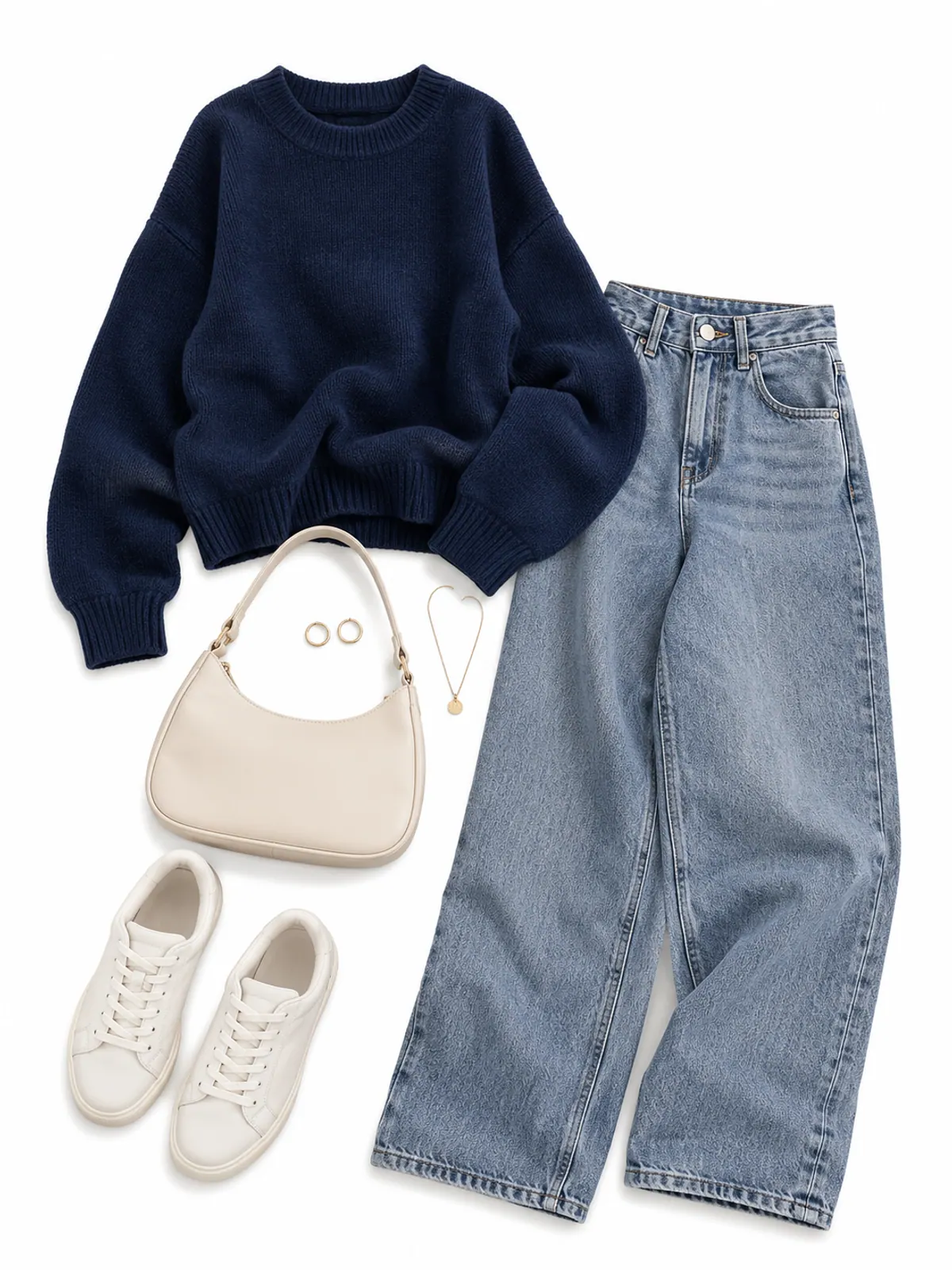
Add one top or bottom and a pair of shoes that match your words. Photograph it and put it on tomorrow.
-
Step 4: Minutes 9 to 10: Write one rule
One sentence that says what you will check before you buy anything new.
Is It a Fit Problem, Not a Style Problem?
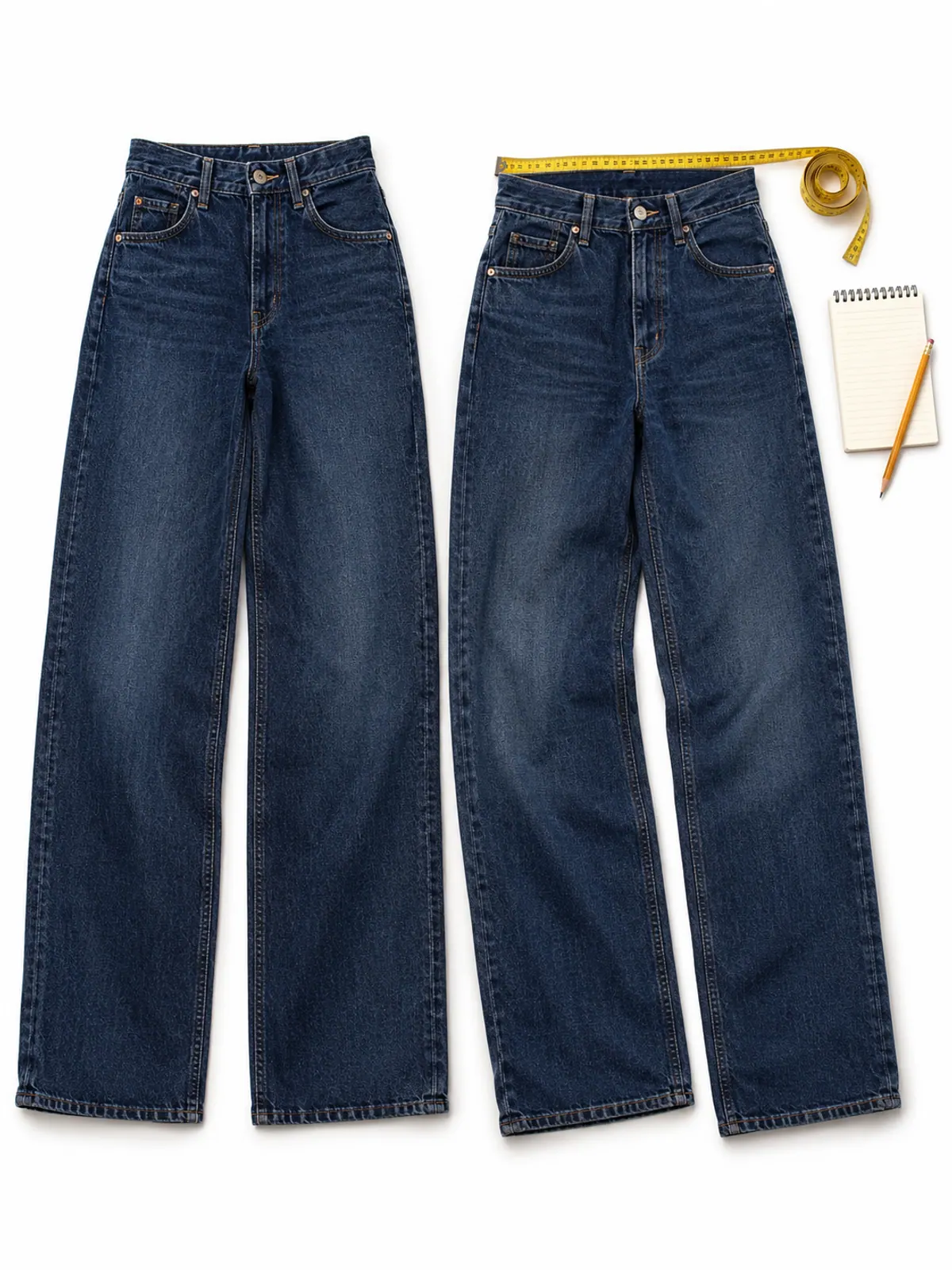
Sometimes the closet is fine and the clothes are the problem: they no longer sit the way they used to. If you like a piece on the hanger but take it off within an hour, because the waist digs, the sleeve rides up or the rise sits in the wrong place, that is a fit problem. No style rule will fix it. A tailor, a different cut or a different size might. Comfort and proportion are the two things to check.
| What happens | Likely cause | What to do |
|---|---|---|
| You like it on the hanger but take it off within an hour | Fit or comfort | Check waist, rise, sleeve and hem against a similar piece that works |
| You like it on you and still never reach for it | Habit, or a piece for a past life | Do Steps 1 and 2 |
| Nothing in the closet goes with anything else | A missing piece | Do Step 3 |
| You own new things with the tags on | No buying rule | Do Step 5 |
For a closer look at proportion, our body-type and shape check for women over 40 shows where pieces tend to sit on different shapes and which cuts to try.
Put It on Paper: The Personal Style Reset Workbook
The Personal Style Reset Workbook ($9) is this reset as printable pages: the 14-day wear log, a style word bank, five occasion uniform pages and the 7-question shopping filter. It is the next step when you want your three words tested against two full weeks and a filter you can use in the shop.
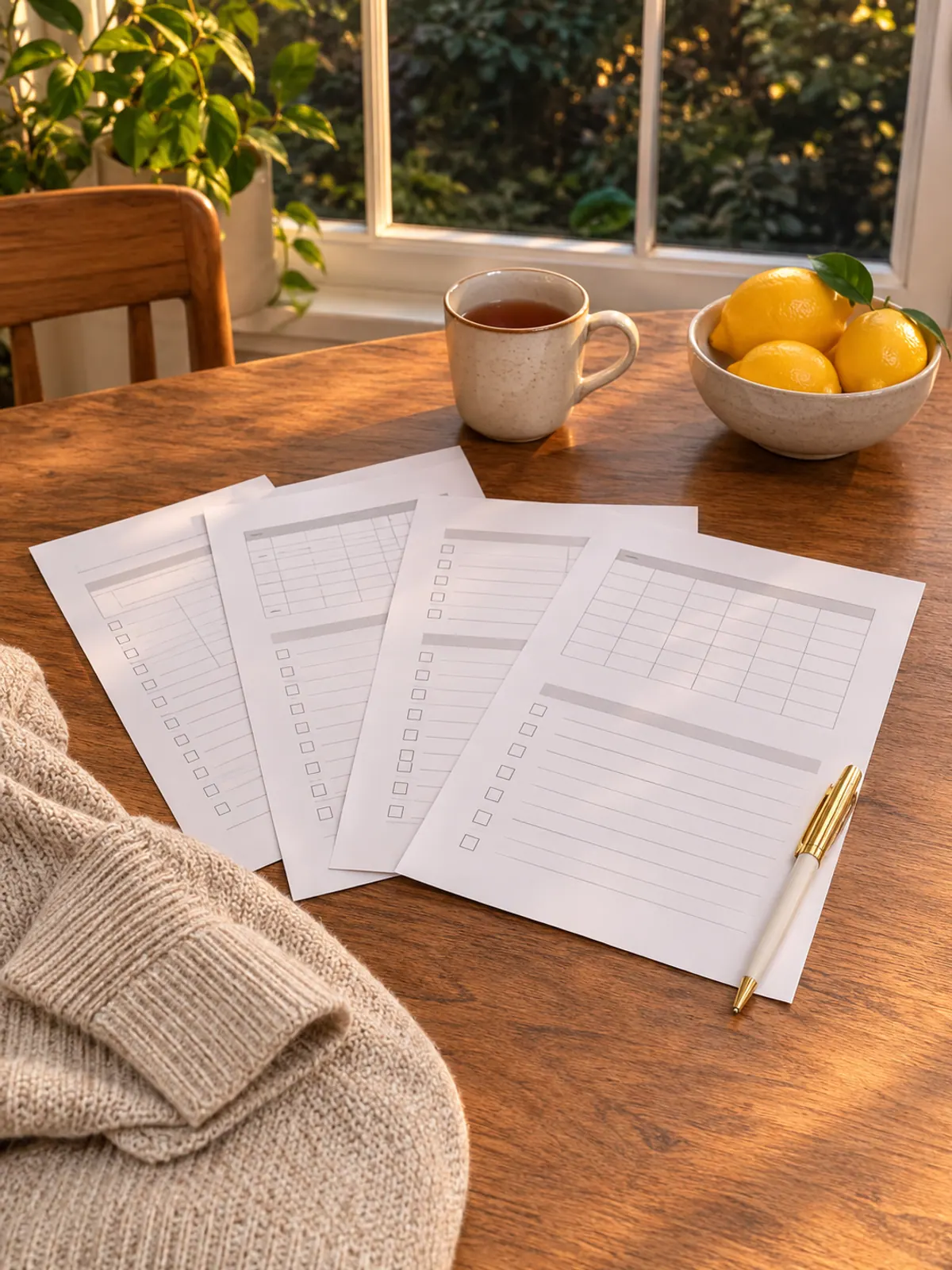
Want the whole set in one download? The Style Vault bundles nine printables, including the Closet Reset Workbook and The Fit Fix, for $33, against $73 bought one at a time.
Frequently asked questions
What do you wear when you have nothing to wear?
Start with the outfits you already wear most. Lay out your 10 most-worn pieces, find what they share, and build three outfits from only those pieces. A finished outfit on the bed beats scanning a full rail, and it usually shows you the one piece that is missing.
Why do I have nothing to wear when my closet is full?
Usually the pieces no longer match how you live. Old work clothes, things bought for a different size or season and items that share no color or shape crowd out the few you wear. The closet is full, but very few of the pieces form an outfit.
What should I do when I hate everything in my closet?
Check whether it is a fit problem or a style problem. If you dislike how pieces sit, look at waist, rise, sleeve and hem. If you like them on the hanger but never wear them, run the 10-piece check and three-word test to see what your real style is.
How do I find outfits when nothing in my closet feels right?
Build three outfits on the bed from your most-worn pieces, photograph each one and use them for the next two weeks. Add one new piece only if it makes at least three of those outfits work.
What is the fastest way to reset a closet when I have nothing to wear?
Do the 10-minute version tonight: pull three favorite pieces, write three words they share, build one outfit and write one buying rule. Then do the full five steps when you have an evening.
Save it for later
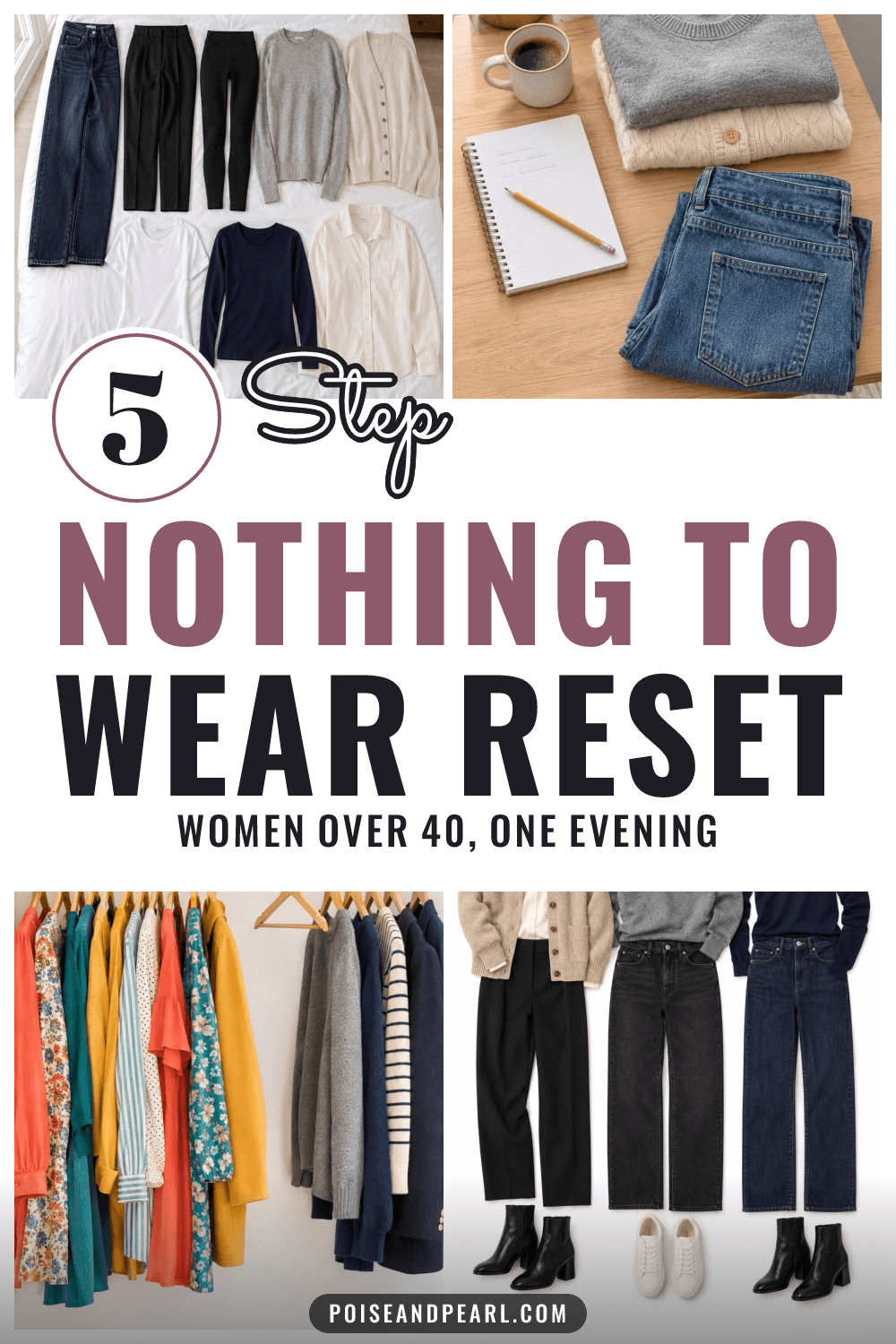
Pin this to your Capsule Wardrobe board so it's there when you need it.
Save to Pinterest